Ways to Reduce Phone Usage: A Guide to a Balance Lifestyle
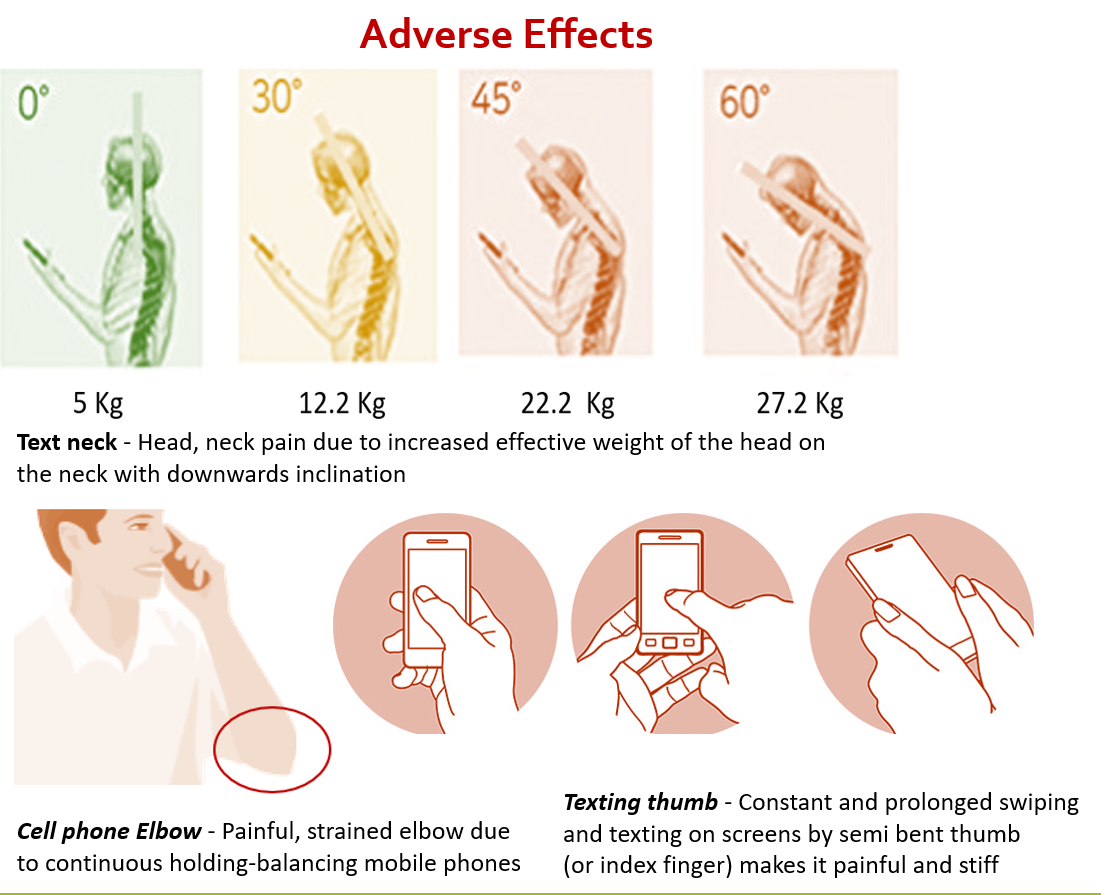
In today's digital age, smartphones have become an essential part of our daily lives. We use them for communication, entertainment, navigation, and many other purposes. However, excessive phone usage can have negative effects on our physical and mental health, relationships, and productivity. It's essential to find a balance between phone usage and other aspects of life. In this article, we'll explore various ways to reduce phone usage and live a healthier, more balanced lifestyle.
Understand Your Phone Usage Habits
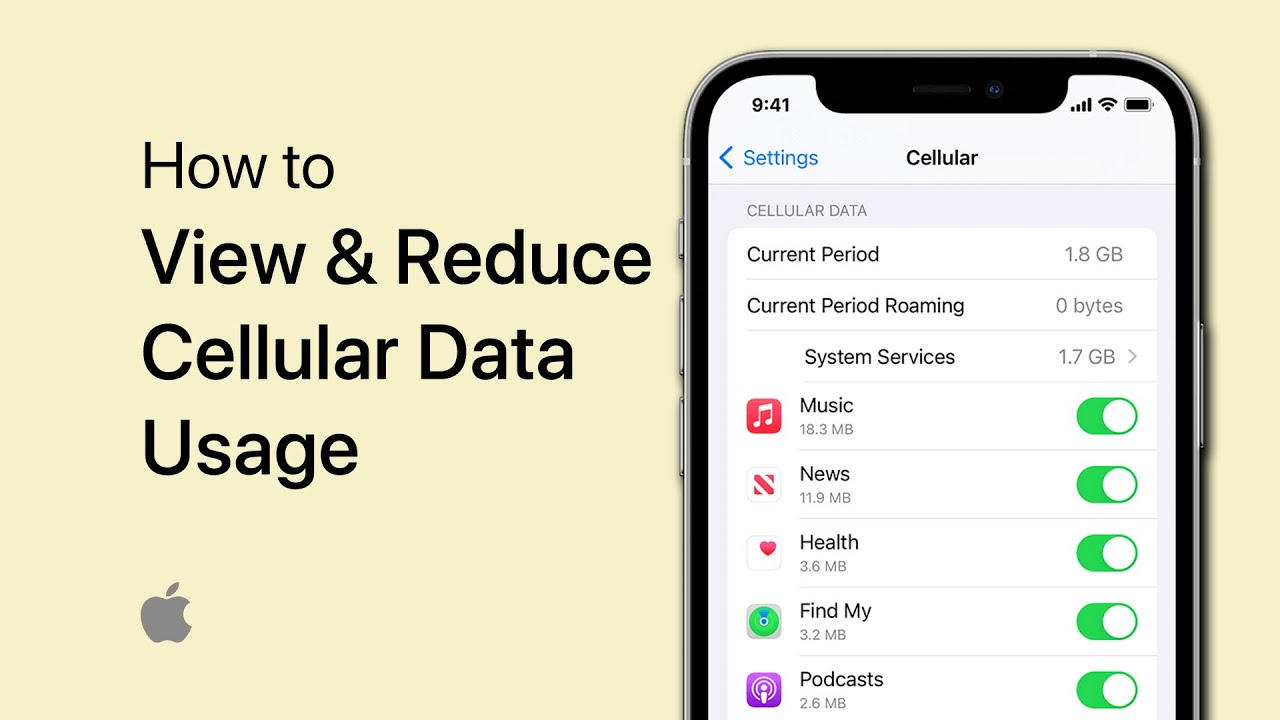
Before we dive into the ways to reduce phone usage, it's crucial to understand your phone usage habits. Start by tracking how much time you spend on your phone daily. You can use built-in features or apps like Screen Time (for iOS) or Digital Wellbeing (for Android) to track your phone usage. This will give you an idea of where you spend most of your time on your phone and help you identify areas for improvement.
Set Boundaries and Limit Screen Time
Set a daily limit on your phone usage and stick to it. You can use built-in features or apps to limit screen time on specific apps or during certain hours of the day. For example, you can set a time limit on social media apps or designate specific hours for social media usage. This will help you stay focused on your goals and reduce mindless scrolling.
Use Phone Settings Wisely
Phone settings can be a powerful tool to reduce phone usage. Some features include:
- Turn on Do Not Disturb mode**: Silence notifications during certain hours or events.
- Enable grayscale mode**: Turn your phone screen into black and white to reduce visual stimulation.
- Use Night Shift**: Adjust the color temperature of your screen to reduce blue light emission and promote better sleep.
- Turn off notifications for non-essential apps**: Silence notifications for apps that don't require immediate attention.
Implement Digital Detox Strategies
Digital detox strategies can help you reduce phone usage and improve your overall well-being. Some effective strategies include:
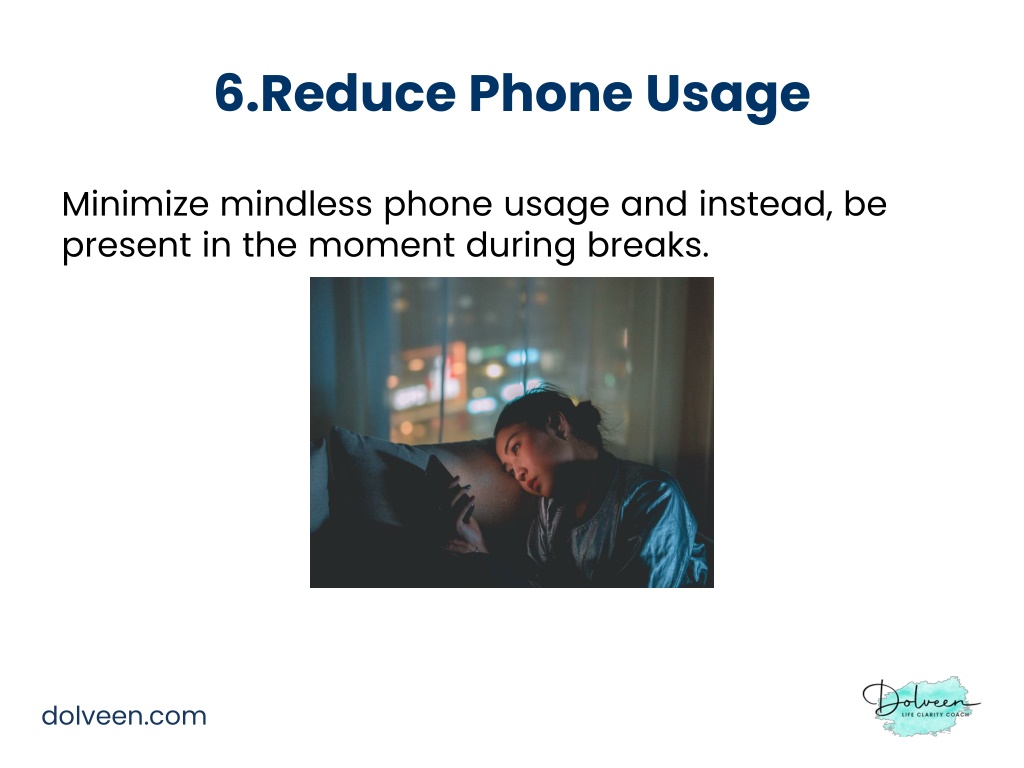
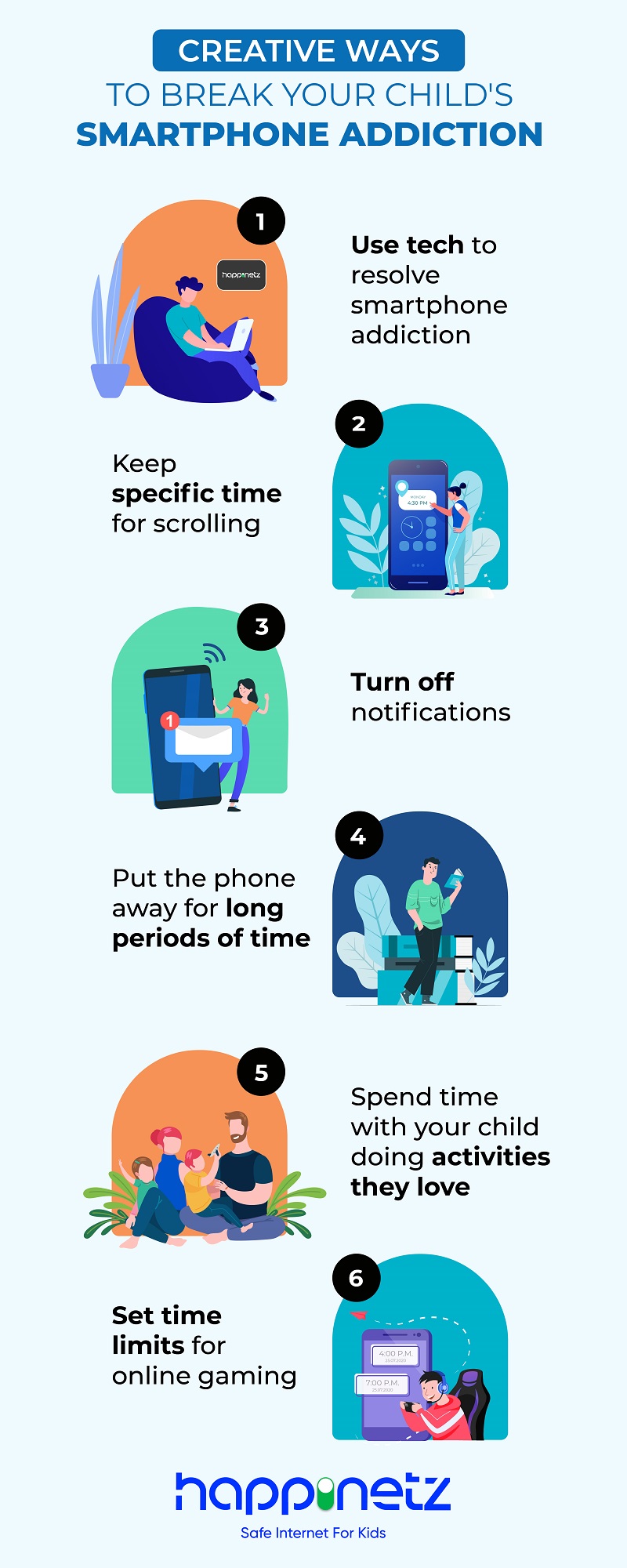
- Phone-free days**: Designate one day a week as a phone-free day or take a digital detox weekend.
- Set a "no phone zone"**: Designate areas or times of the day as phone-free.
- Use phone-tracking apps**: Utilize apps that track your phone usage and provide insights on how to reduce it.
- Replace phone time with alternative activities**: Engage in hobbies, sports, or other activities that promote physical and mental well-being.
Utilize Productivity Tools and Apps
There are many productivity tools and apps available that can help you reduce phone usage and stay focused on tasks. Some popular options include:
- Todo lists**: Use apps like Todoist or Trello to manage tasks and stay organized.
- Focus-enhancing apps**: Apps like Freedom or SelfControl can help you stay focused by blocking distracting apps and websites.
- Mindfulness apps**: Apps like Headspace or Calm can help you stay mindful and present.
Set Realistic Goals and Reward Yourself
Set realistic goals for reducing your phone usage and reward yourself for achieving them. For example, you can set a goal to reduce your daily screen time by 30 minutes and reward yourself with a fun activity or a relaxing bath after achieving it.
Stay Consistent and Patient
Reducing phone usage is a process that requires patience and consistency. Don't be too hard on yourself if you slip up – simply acknowledge the setback and get back on track. Remember, every small step counts, and making progress is more important than achieving perfection.
Conclusion
Reducing phone usage is a journey that requires self-awareness, discipline, and motivation. By understanding your phone usage habits, setting boundaries, utilizing phone settings, implementing digital detox strategies, utilizing productivity tools and apps, setting realistic goals, and staying consistent, you can reduce your phone usage and live a healthier, more balanced lifestyle.



:max_bytes(150000):strip_icc()/how-much-should-we-reduce-smartphone-use-for-better-mental-health-c787c03b7ef948ffa1e3030df410e619.jpg "How to resist the urge to keep looking at your phone : NPR")