Can I Get Unemployment If I Quit?
Quitting a job can be a difficult decision, especially when considering the financial implications. If you're wondering whether you can receive unemployment benefits after quitting your job, the answer is yes, but there are specific requirements and exceptions you should be aware of. In this article, we'll explore when you can collect unemployment benefits after quitting, what counts as good cause, and how to navigate the unemployment application process.
Understanding Unemployment Benefits
Unemployment benefits are designed to provide temporary financial assistance to individuals who have lost their job through no fault of their own. To qualify for unemployment benefits, you must have earned a minimum amount of wages, be unemployed through no fault of your own, and actively seeking work. The specific requirements for unemployment benefits vary by state, so it's essential to check with your state's unemployment office for details.
Can I Collect Unemployment Benefits If I Quit My Job?
The short answer is yes, but there are conditions. If you quit your job without good cause, you may not qualify for unemployment benefits. However, if you can demonstrate good cause for quitting, such as illness, domestic violence, or a hostile work environment, you may still be eligible for benefits. To determine whether you have good cause for quitting, consider the following factors:
- Was your reason for quitting related to your work environment or job responsibilities?
- Did you quit due to a serious illness or injury that made it impossible for you to continue working?
- Were you a victim of domestic violence or harassment, and did quitting your job put you in a safer situation?
- Was there a compelling reason related to your basic human needs, such as access to healthcare or childcare?
Steps to Take Before Quitting Your Job
Before quitting your job, take the following steps to strengthen your case for collecting unemployment benefits:
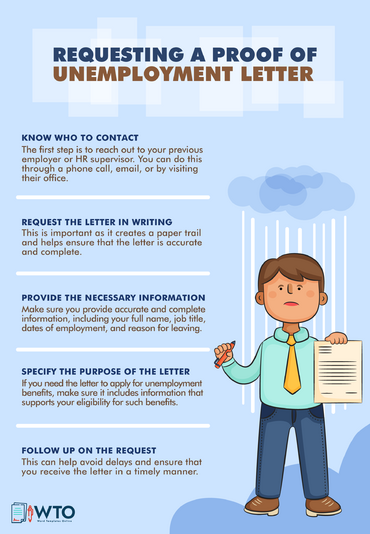
- Document your reasons for quitting, including any relevant communications or events that led up to your decision.
- Save any relevant evidence, such as medical records or police reports, to support your claim of good cause.
- Consult with a lawyer or career counselor to discuss your options and potential consequences.
- Review your employment contract to understand any penalties or clauses related to quitting or termination.

How to Apply for Unemployment Benefits
When applying for unemployment benefits, follow these steps:
- Visit your state's unemployment office website or contact your local office to begin the application process.
- Complete the application form, providing detailed information about your work history, reason for quitting, and job search efforts.
- Submit your application along with required documentation, such as proof of income and employment.
- Wait for the unemployment office to review and process your application, which may take several weeks or months.
Alternatives to Unemployment Benefits
While unemployment benefits can provide temporary financial assistance, other options may be available to support your financial needs. Consider the following alternatives:
- Paid Family Leave (PFL) program, which offers benefits for caregivers of new children or family members.
- Disability benefits, which may be available for individuals with long-term or permanent disabilities.
- Severance pay, which may be provided by your employer as part of the separation agreement.
Conclusion
Quitting a job can be a complex decision, but understanding your rights and options can empower you as you navigate this significant career transition. By knowing when and how to apply for unemployment benefits, documenting your reasons for quitting, and consulting with relevant experts, you can ensure you receive the support you need to get back on your feet. Remember, unemployment benefits are not a guarantee, but by being proactive and informed, you can increase your chances of qualifying for benefits and moving forward with confidence.