Technological Addiction Symptoms: A Growing Concern
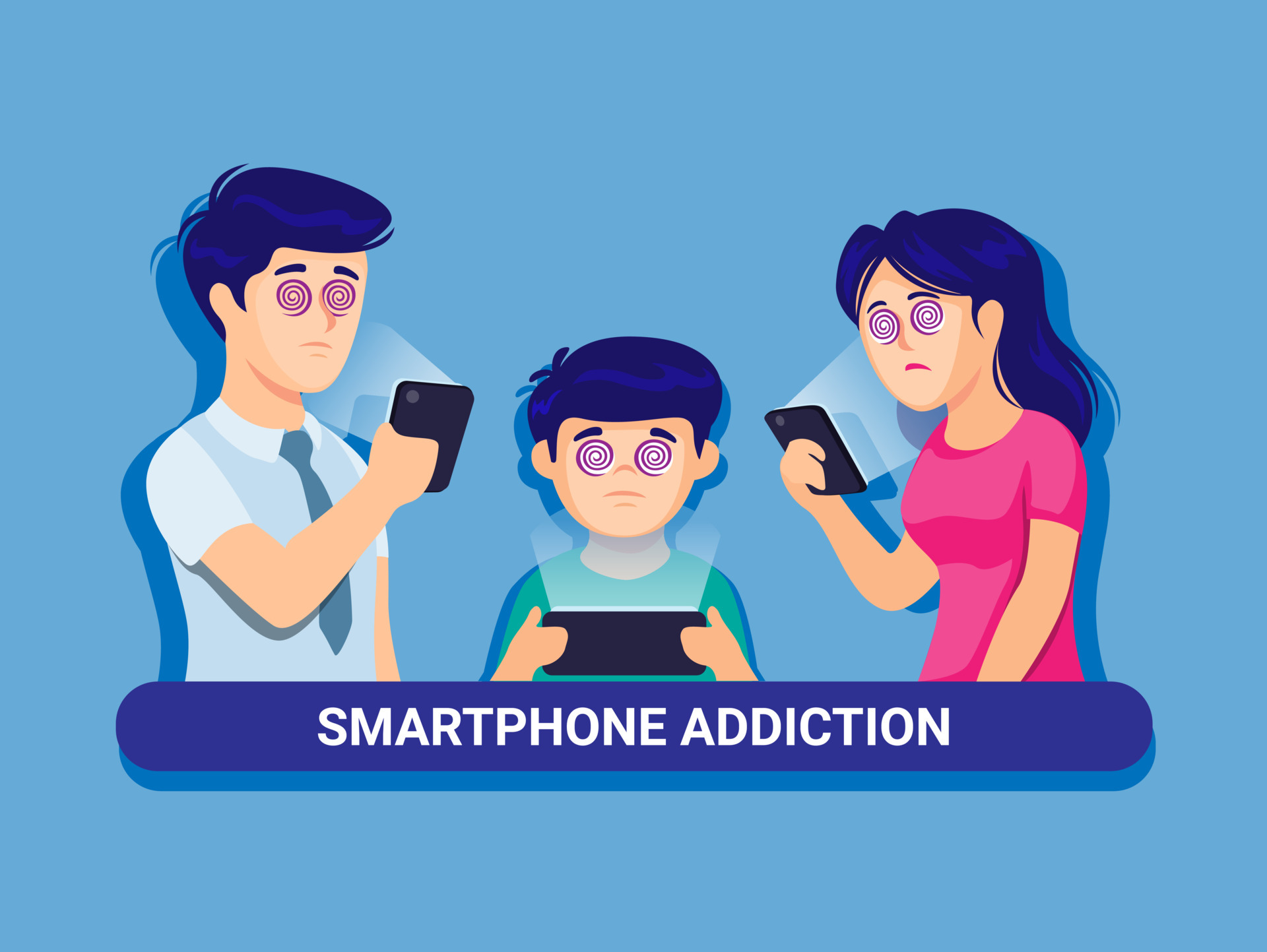
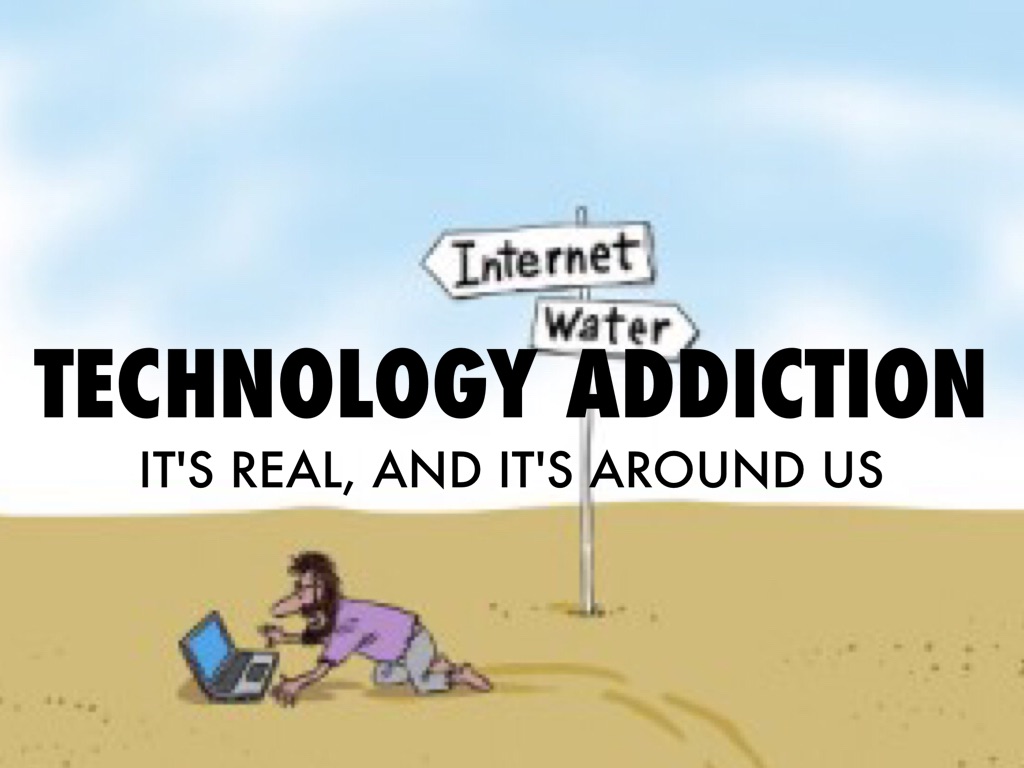
Technology addiction is a growing concern that affects individuals of all ages. It's essential to be aware of the signs and causes of this condition to address it effectively. In this article, we'll explore the symptoms of technological addiction, its causes, and practical strategies to overcome excessive tech use.
What is Technological Addiction?
Technology addiction, also known as digital addiction or internet addiction, is a type of behavioral addiction involving compulsive and excessive engagement with digital devices and online activities. Like other behavioral addictions, technological addiction disrupts daily life, affecting personal, social, and professional areas.
Causes of Technological Addiction
Several factors contribute to technological addiction, including:
- Widespread availability of technology: The increasing accessibility of digital devices and online platforms has led to easy and constant access to technology.
- Social media and online connectivity: The need for social validation and connection can lead to excessive social media use, which can be a contributor to technological addiction.
- Constant notifications and updates: The constant notifications and updates from devices and apps can be tempting and lead to excessive use.
- Escape and avoidance mechanisms: People may turn to technology as a means to escape from stress, anxiety, or other negative emotions.
Signs and Symptoms of Technological Addiction
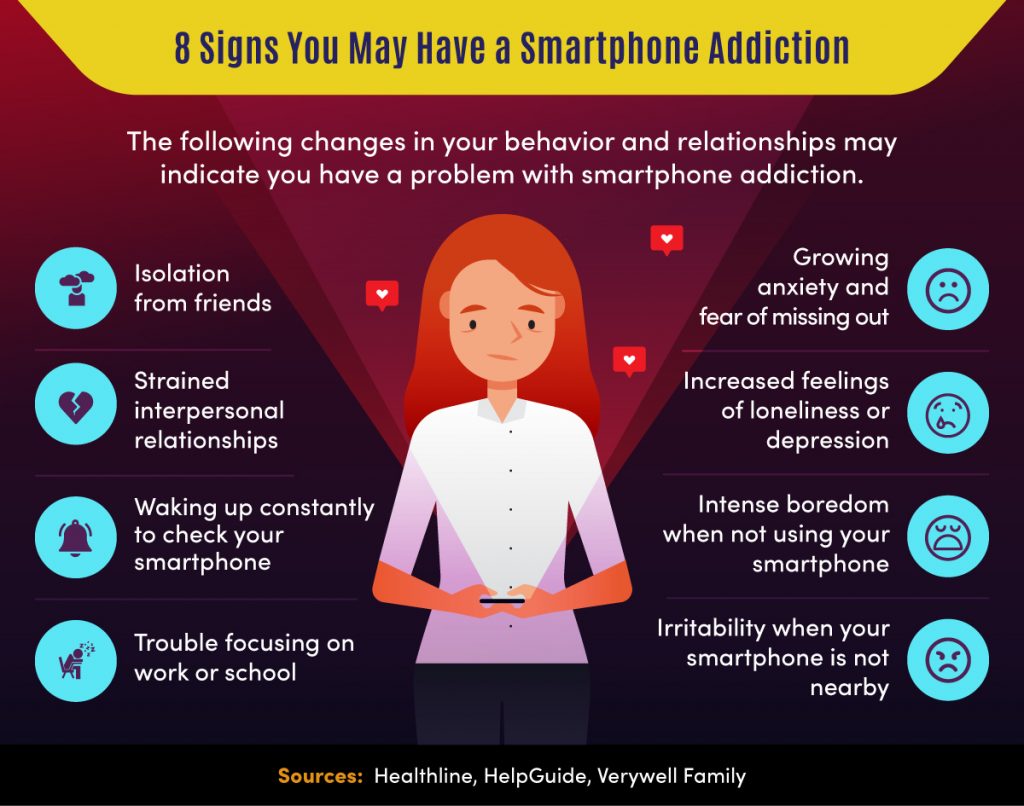
Identifying the signs and symptoms of technological addiction is crucial in addressing the issue. Some common signs include:
- Continued use despite negative consequences: Using technology despite knowing it's affecting personal or professional life.
- Inability to control use: Feeling unable to cut down or control technology use despite wanting to.
- Prioritizing technology over other activities: Choosing technology use over other hobbies, relationships, or responsibilities.
- Experiencing physical and mental health issues: Eye strain, headaches, sleep disturbances, and increased risk of mental health issues.
- Using technology as a means of escape or avoidance: Using technology to avoid dealing with emotional or psychological issues.
Physical and Mental Health Consequences
Technology addiction can have severe physical and mental health consequences, including:
- Eye strain and headaches: Prolonged screen time can cause eye strain and headaches.
- Sleep disturbances: Exposure to screens and the constant availability of digital devices can disrupt sleep patterns.
- Mental health issues: Technology addiction can increase the risk of mental health conditions, such as depression, anxiety, and loneliness.
Strategies to Overcome Technological Addiction
Breaking the cycle of technological addiction requires a combination of self-awareness, support, and strategies. Some practical steps to overcome technological addiction include:
- Monitoring and tracking: Set limits and track technology use to become more aware of habits.
- Setting boundaries: Establishing rules and boundaries around technology use, such as screen-free zones or times.
- Finding alternative hobbies: Engaging in other activities and hobbies to reduce dependency on technology.
- Seeking support: Reaching out to friends, family, or professionals for help and support.
Conclusion
Technological addiction is a growing concern that affects individuals of all ages. By understanding the causes and symptoms of technological addiction, we can take steps to address the issue. Identifying the signs and symptoms, setting boundaries, and seeking support are crucial in overcoming technological addiction. By taking control of technology use, we can promote healthier digital habits and improve overall well-being.