Dopamine Loop and Motivation: Unlocking the Secrets of Human Drive
Dopamine, often referred to as the "motivation" or "wanting" chemical, plays a crucial role in our motivational processes. It is created in various parts of the brain and is involved in various brain functions, including thinking, moving, sleeping, mood, attention, and motivation. However, dopamine is not just involved in pleasure; it also plays a critical role in motivation, learning, and emotional regulation.
The Wanting Mechanism
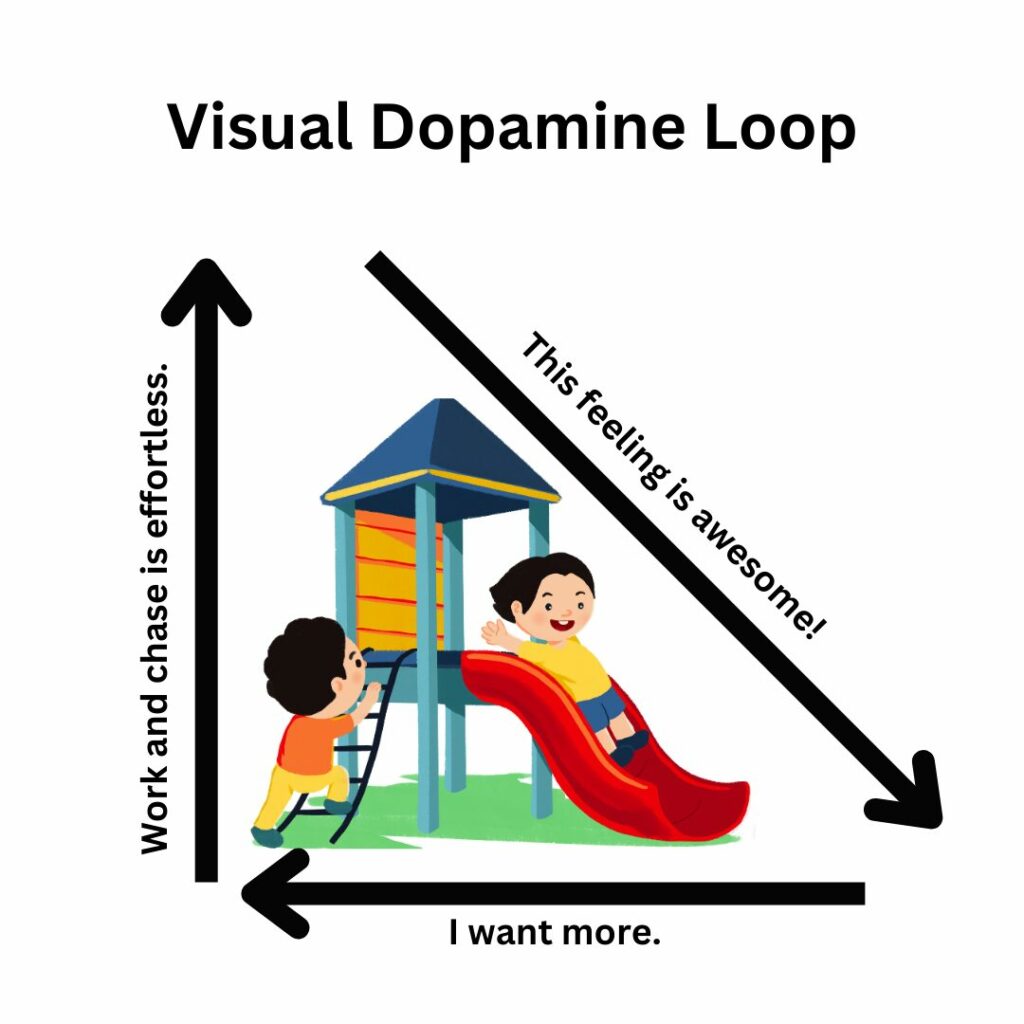
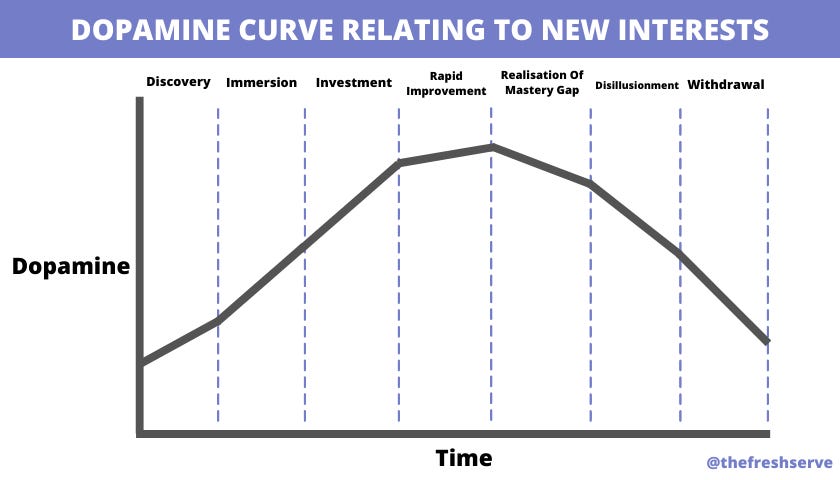
The wanting mechanism, driven by dopamine, is responsible for sustaining our motivation and drive. When we set goals or ambitions, our brains release dopamine, giving us energy and focus. However, the process does not end there. Dopamine fuels our motivation in a continuous loop, creating a feedback loop that reinforces behavior and encourages us to pursue our goals.
The Dopamine Loop
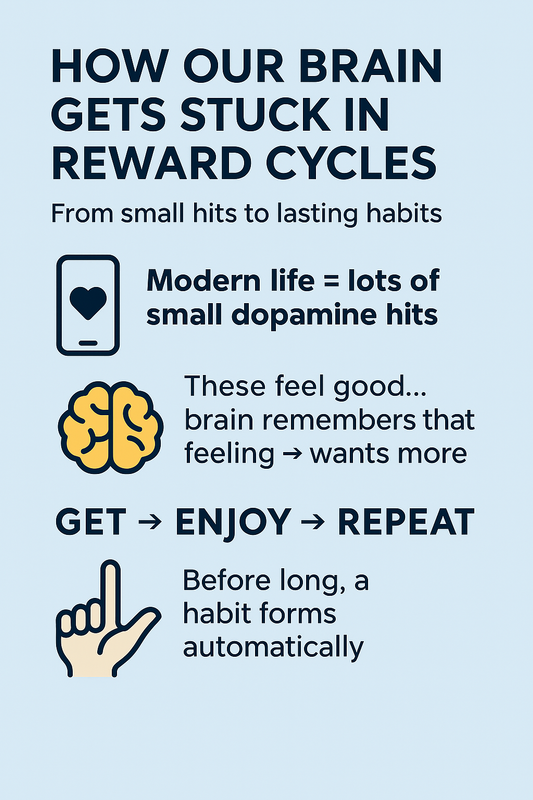
The dopamine loop is a natural bodily process, a survival mechanism that drives us to seek rewards, learn from experiences, and stay motivated. According to experts, the dopamine loop works as follows: when we see a goal or a task, our brains release dopamine, creating a sense of excitement and anticipation. This release of dopamine fuels our motivation, and we act towards the goal. As we make progress, the dopamine release creates a feedback loop, reinforcing our behavior and sustaining our motivation.
The Role of Dopamine in Motivation
Dopamine is not just a feel-good chemical; it is what drives motivation and anticipation. When we expect a reward, our brains release dopamine, which fuels our motivation and guides our behavior. However, the relationship between dopamine and motivation is complex, involving multiple brain pathways and systems. Dysregulation of the dopamine system can lead to motivation problems, such as decreased motivation and reduced focus.
The Impact of Dopamine Culture
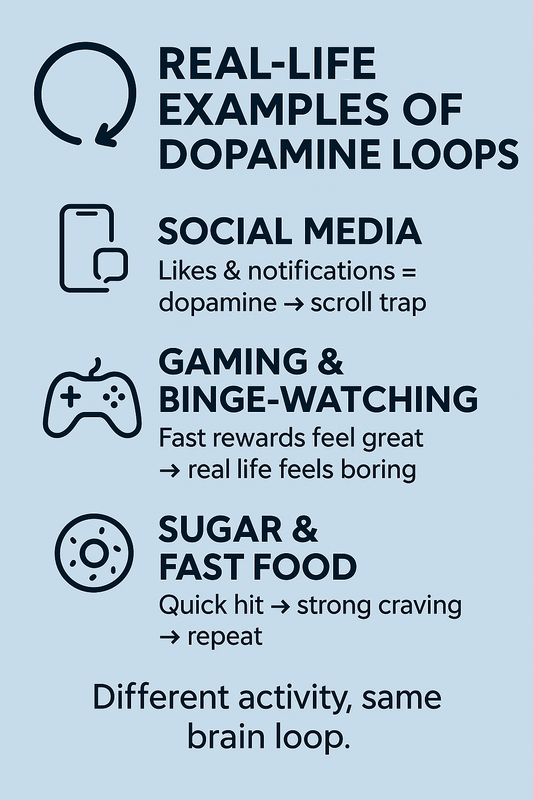
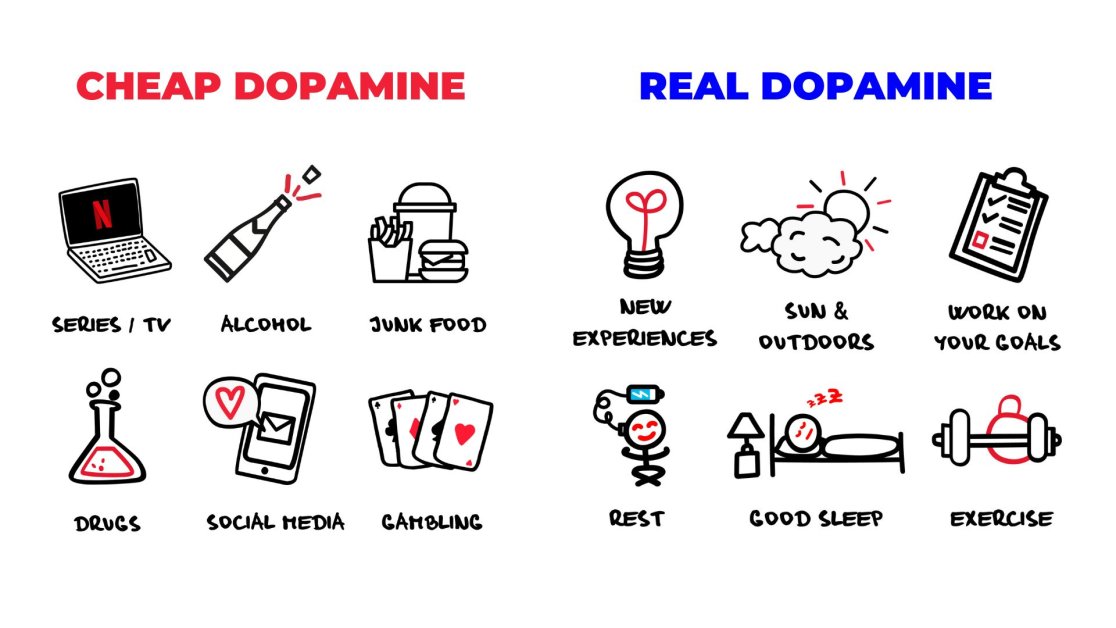
Modern technology and digital devices have optimized digital experiences around the brain's reward circuitry, creating a dopamine culture that exploits variable-ratio reinforcement to capture and maintain human attention. This can lead to addiction, compulsive scrolling behavior, and an unsustainable reliance on external rewards. To break this cycle, it is essential to understand the underlying mechanisms of the dopamine loop and develop healthy habits to regulate our dopamine release.

Breaking the Dopamine Trap
The dopamine trap, as explained by experts, is a state where we become trapped in a cycle of compulsive scrolling behavior driven by unpredictable rewards, habit loops, and digital overstimulation. To break this trap, we need to understand the mechanisms behind our behavior and develop strategies to regulate our dopamine release and cultivate healthy habits.
Dopamine Detox and Coaching
A dopamine detox involves mapping out the full system, including the cognitive, emotional, and behavioral triggers that drive our motivation and addictions. It requires recognizing the specific patterns and habits that contribute to our reliance on external rewards and adapting our behavior to reap more sustained motivation and satisfaction from our goals. In the context of Wall Street trading, dopamine architecture can be recalibrated to prioritize long-term goals over short-term rewards, reducing the likelihood of burnout and improving overall motivation and performance.
Reclaiming Your Purpose
By understanding the dopamine loop and its role in motivation, we can develop strategies to break unhelpful loops, reclaim our focus, and sustain long-term drive. Taking small wins, recognizing meaningful pursuits, and reframing our goals can all help to rewire our brain's reward system and prevent burnout. By making conscious choices about our motivations and rewards, we can realize our potential and achieve our goals without feeling drained or disconnected.
Key Takeaways:
- The Dopamine Loop is a natural bodily process driven by the neurotransmitter dopamine, responsible for motivation, learning, and emotional regulation.
- The Wanting Mechanism is the process by which dopamine fuels our motivation, creating a feedback loop that reinforces behavior and encourages us to pursue our goals.
- Dysregulation of the dopamine system can lead to motivation problems, such as decreased motivation and reduced focus.
- Modern technology and digital devices have optimized digital experiences around the brain's reward circuitry, creating a dopamine culture that exploits human attention.
- Breaking the Dopamine Trap requires understanding the mechanisms behind our behavior and adapting our behavior to reap sustained motivation and satisfaction from our goals.