Vitamin D and Acne Connection: Understanding the Link
Vitamin D is an essential nutrient that plays a crucial role in various bodily functions, including immune response and inflammation regulation. Recent studies have revealed a significant connection between vitamin D levels and acne, a common inflammatory skin disease.
What is the Connection Between Vitamin D and Acne?
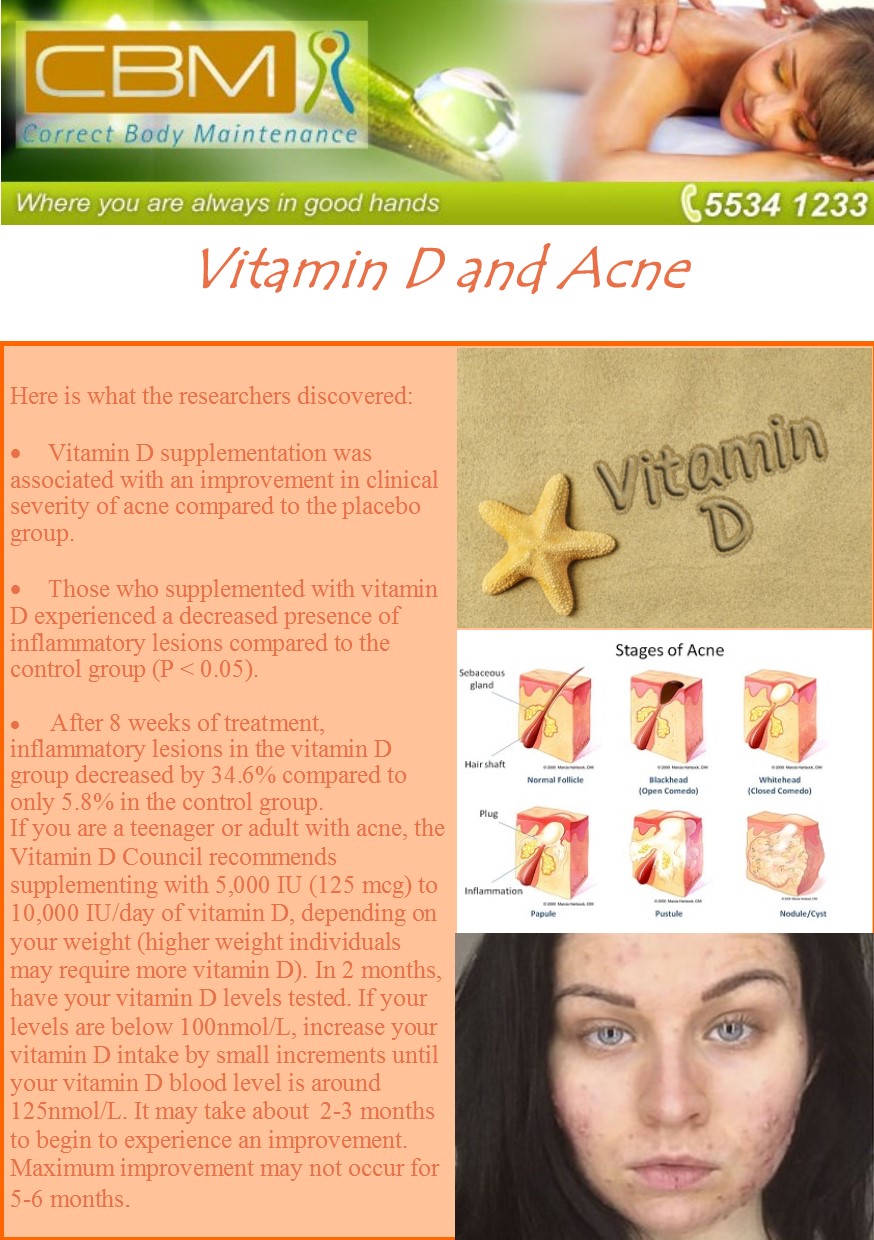
Research has shown that individuals with acne tend to have lower levels of vitamin D compared to those without acne. A study published in Dermato-Endocrinology found that patients with severe acne had relatively low blood vitamin D levels compared to the control group. This suggests that there is a connection between low vitamin D levels and acne severity.
How Does Vitamin D Deficiency Contribute to Acne?
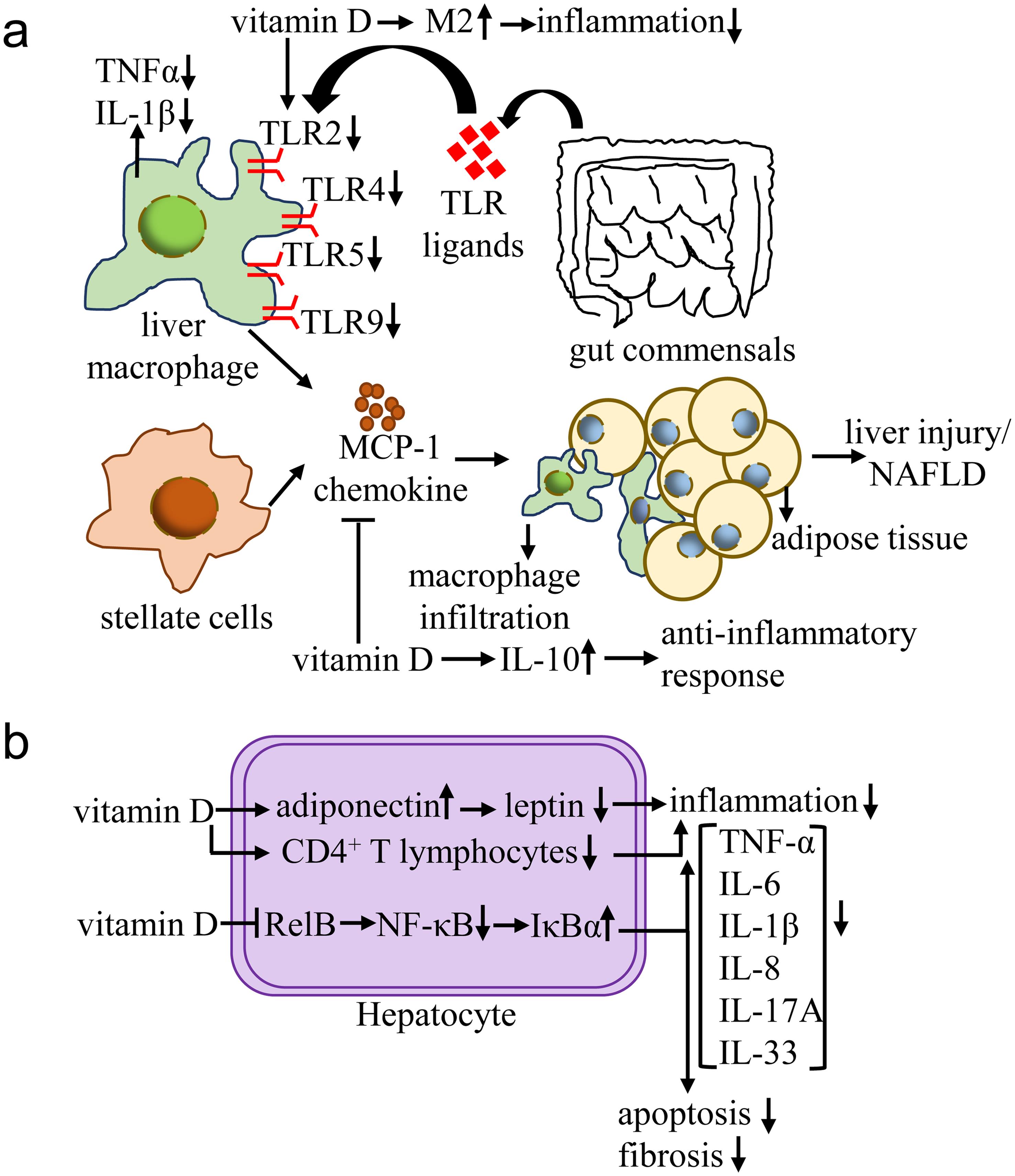
Vitamin D deficiency has been implicated in various inflammatory skin diseases, including atopic dermatitis and psoriasis. Acne is also a chronic inflammatory skin disease, and the association with vitamin D has been investigated. While the exact mechanism is not fully understood, research suggests that vitamin D may play a role in the development and severity of acne by influencing inflammation and immune response.
What Are the Risks of Vitamin D Deficiency in Acne Patients?
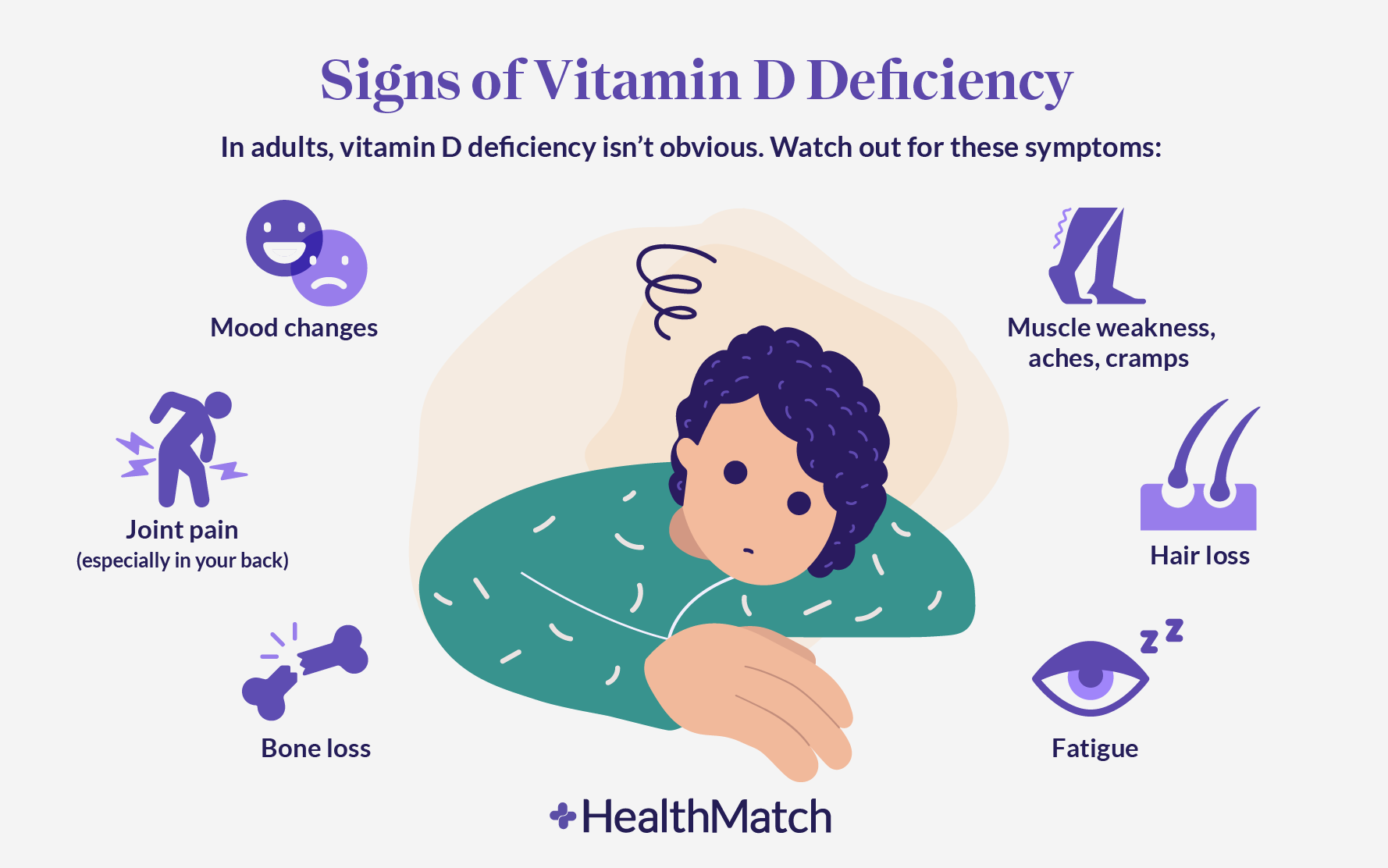
Acne patients with low vitamin D levels may experience increased severity of the disease. Additionally, vitamin D deficiency has been linked to various other health consequences, including osteoporosis, cardiovascular disease, and autoimmune disorders.

Can Vitamin D Supplementation Help Acne?
While vitamin D supplementation may help alleviate acne symptoms, more research is needed to confirm its effectiveness. Some studies suggest that vitamin D supplementation may reduce inflammation and improve skin clarity in acne patients. However, it is essential to consult with a healthcare provider before starting any supplements, as they may interact with other medications or worsen certain health conditions.
Other Nutrient Deficiencies Linked to Acne
- Zinc deficiency: Acne, inflammation, slow wound healing, and skin irritation.
- Omega-3 deficiency: Dry, flaky, and sensitive skin.
- Protein deficiency: Weak skin structure, dullness, and poor skin repair.
- Vitamin C deficiency: Rough skin, slow healing, and lack of glow.
- Iron deficiency: Low hemoglobin, anemia, and skin color changes.
Conclusion
The connection between vitamin D and acne is a complex and multifaceted relationship. While vitamin D deficiency may contribute to acne development and severity, the exact mechanism is not fully understood. Vitamin D supplementation may help alleviate acne symptoms, but more research is needed to confirm its effectiveness. It is essential to maintain optimal vitamin D levels through a balanced diet, sun exposure, and supplementation if necessary, to promote overall health and skin well-being.