FOMO in Social Media Marketing Strategy: A Powerful Tool for Brand Growth
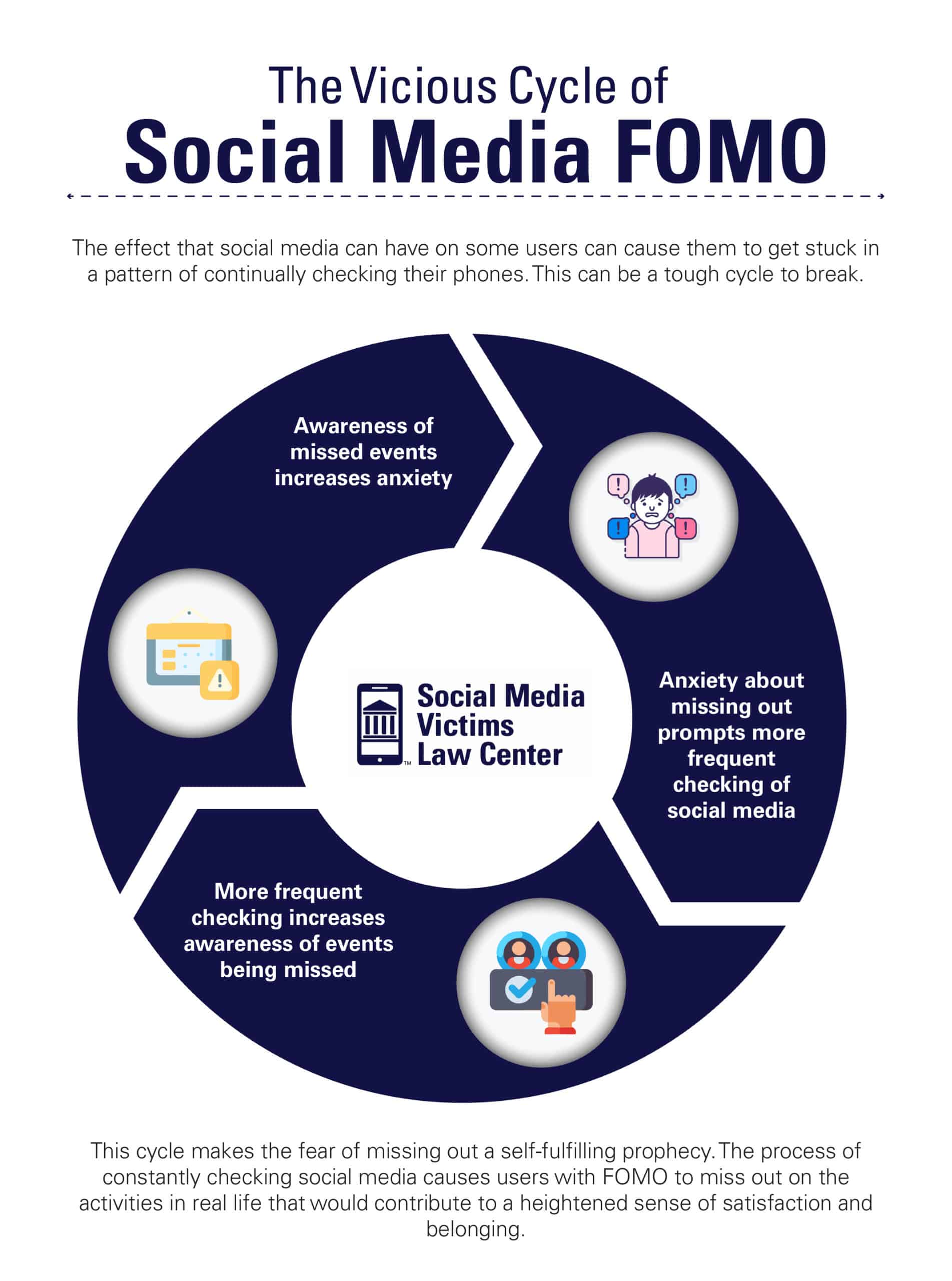
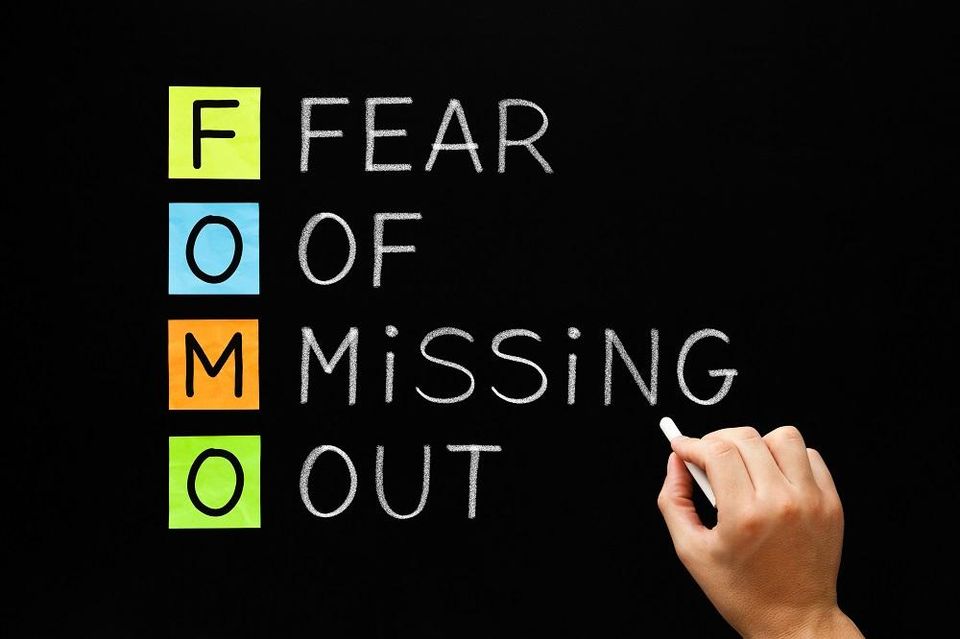
The fear of missing out, or FOMO, is a phenomenon that has been extensively studied in the realm of marketing. It refers to the anxiety or apprehension individuals feel when they believe others might be having an experience or enjoying an activity that they are not a part of. In the context of social media marketing, FOMO has emerged as a potent strategy for driving engagement, increasing conversions, and building brand loyalty. By understanding and harnessing the power of FOMO, marketers can develop innovative and effective marketing strategies that capture the attention of their target audience.
What is FOMO in Marketing?
FOMO is a psychological phenomenon that drives individuals to seek information, experiences, and social connections to avoid feeling left behind or excluded. This fear can influence decisions, behaviors, and emotional well-being, making it a valuable asset for marketers looking to create a sense of urgency and excitement around their products or services. FOMO can be used effectively in various marketing channels, including social media, email, and content marketing.
Why is FOMO Important in Social Media Marketing?
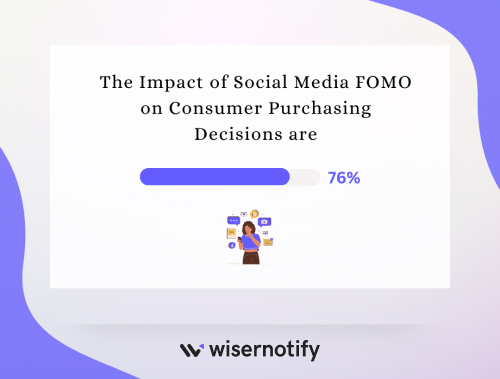
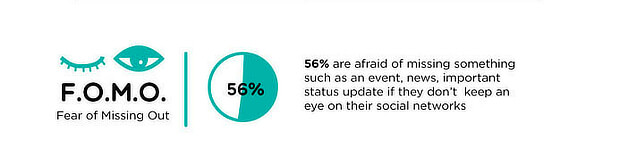
Social media is a prime platform for exploiting FOMO. By using visually appealing content, engaging stories, and real-time updates, brands can create a sense of urgency and make their audience feel like they might be missing out if they don't take action. According to a study, 60% of consumers make purchases based on FOMO, highlighting the significant impact this phenomenon can have on purchase decisions. By leveraging FOMO in their social media marketing strategy, businesses can increase brand excitement, engagement, and conversions.
FOMO Marketing Strategies for Social Media
- Scarcity Principle: Create a sense of urgency by offering limited-time deals, limited-quantity products, or exclusive access to events.
- Expiring Content: Use countdown timers or expiring content to create a sense of FOMO and encourage audience engagement.
- Exclusivity: Make audience members feel exclusive or special by offering them access to events, content, or products that are not available to others.
- Social Proof: Use customer testimonials, reviews, and ratings to create social proof and make others feel like they might be missing out if they don't try a product or service.
- Language: Use language that creates a sense of urgency and exclusivity, such as "limited time only," "only a few left," or "exclusive access."
- Social Media Influencers: Partner with social media influencers to create a sense of FOMO and increase brand awareness.
Benefits of FOMO in Marketing
The benefits of using FOMO in marketing are numerous. By creating a sense of urgency and exclusivity, businesses can increase engagement, drive conversions, and build brand loyalty. Additionally, FOMO can help businesses stand out in a crowded market and create a lasting impression on their audience. By incorporating FOMO into their marketing strategy, businesses can stay ahead of the competition and achieve their marketing goals.
Best FOMO Marketing Examples
Several businesses have successfully leveraged FOMO in their marketing strategy, resulting in significant increases in engagement and conversions. For example, Nike created a limited-edition line of shoes that sparked FOMO and drove sales. Similarly, online retailers like Amazon and eBay have used FOMO to create a sense of urgency and encourage customers to make purchases. By studying these examples, businesses can develop their own effective FOMO marketing strategies and achieve similar results.
Conclusion
FOMO in social media marketing strategy is a powerful tool for driving engagement, increasing conversions, and building brand loyalty. By understanding and harnessing the power of FOMO, marketers can create innovative and effective marketing strategies that capture the attention of their target audience. Whether it's using scarcity principles, expiring content, or social proof, businesses can leverage FOMO to stay ahead of the competition and achieve their marketing goals.