How to Stay Safe Online While Using Public Wi-Fi Networks
Public Wi-Fi networks, or hotspots, in coffee shops, malls, airports, hotels, and other places are convenient. However, we often take public Wi-Fi for granted, unaware of the inherent risks involved. In this guide, we'll walk you through the dangers of using public Wi-Fi and provide you with essential tips on how to stay safe online while using public Wi-Fi networks.
The Dangers of Public Wi-Fi Networks
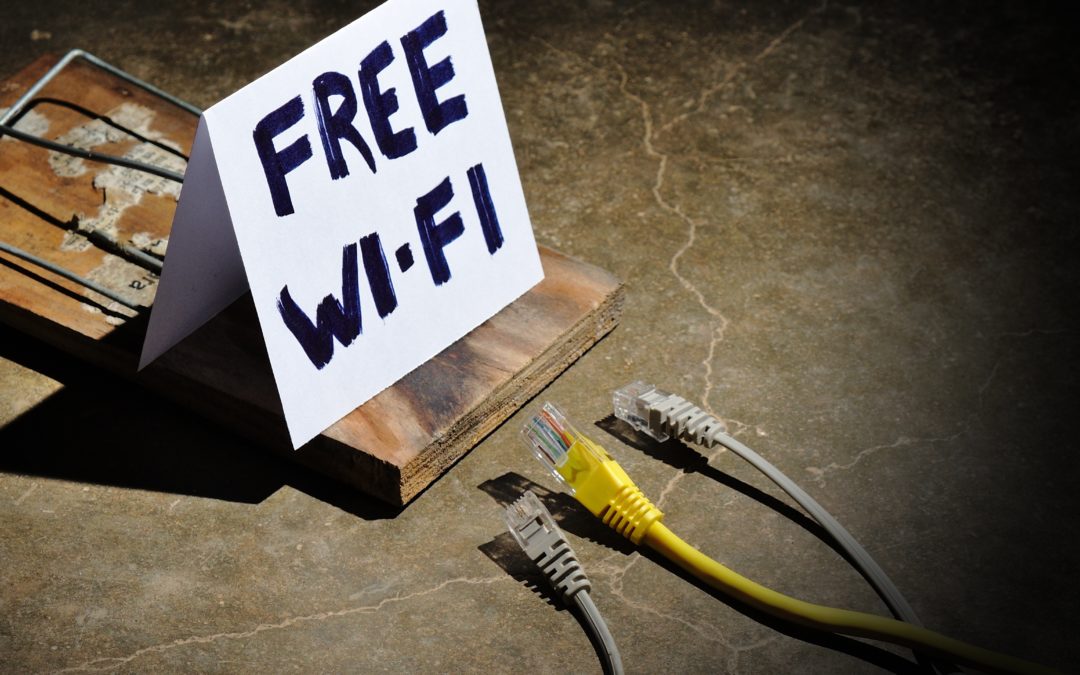
Public Wi-Fi networks can be a breeding ground for cybercriminals. With thousands of people sharing the same network, it's easy for hackers to intercept sensitive information, such as passwords, credit card numbers, and personal data. According to research, 25% of people using public Wi-Fi have experienced a security issue. Moreover, public Wi-Fi hotspots you don't know can be particularly risky, making it essential to take precautions to protect your online safety.
The Risks of Using Public Wi-Fi
- Unsecured Networks: Public Wi-Fi networks are often unsecured, making it easy for hackers to access your data.
- Malware and Viruses: Public computers and devices may be infected with malware or viruses, which can compromise your device and steal your data.
- Identity Theft: Public Wi-Fi can be a prime target for identity thieves, who can steal your personal and financial information.
- Data Breaches: Public Wi-Fi networks can compromise your data, potentially leading to identity theft and other serious consequences.
How to Stay Safe Online While Using Public Wi-Fi Networks
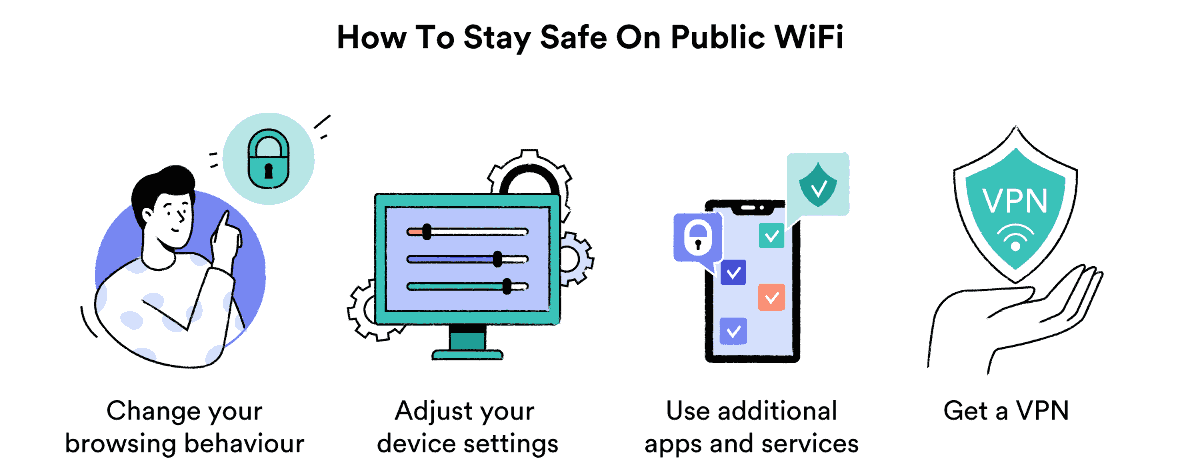
Tip 1: Use a VPN
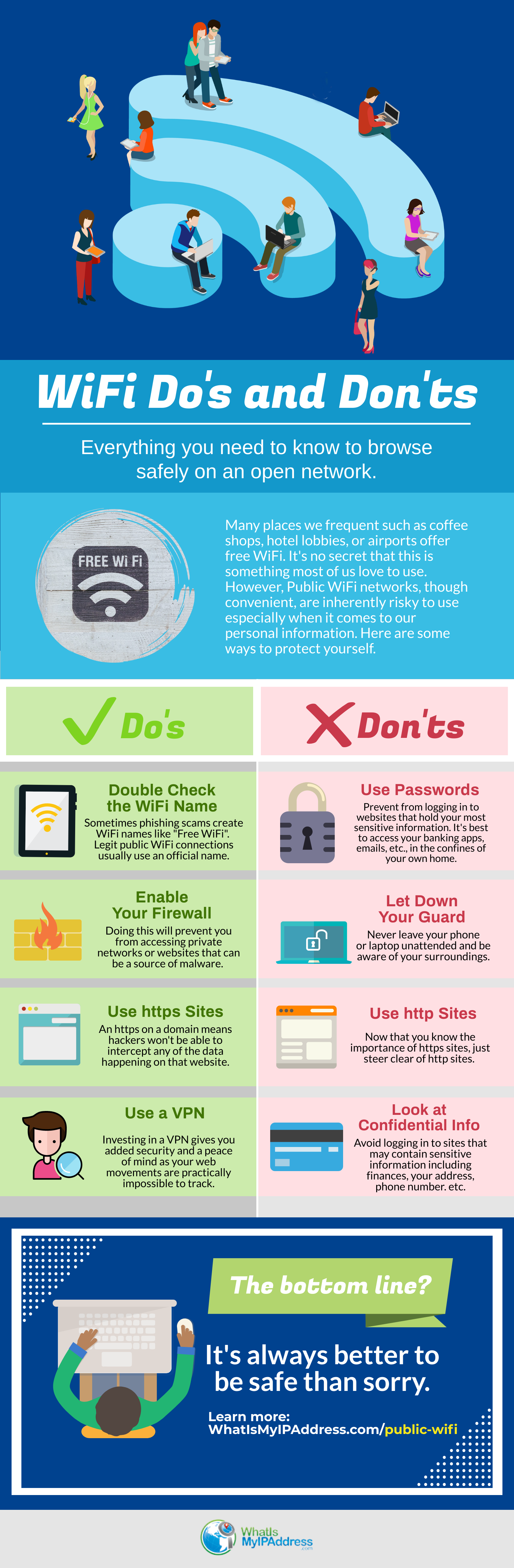
Using a Virtual Private Network (VPN) is an excellent way to secure your internet connection while using public Wi-Fi. A VPN encrypts your data, making it unreadable to hackers and keeping your online activities private.
Tip 2: Verify the Network
Before connecting to a public Wi-Fi network, ensure it's a secure connection. Look for networks that have "https" in the URL and a lock icon in the address bar. Verify that the company or organization operating the network is reputable.
Tip 3: Avoid Sensitive Activities

When using public Wi-Fi, refrain from using sensitive apps or services that involve financial transactions, such as online banking or shopping. If possible, postpone such activities until you're connected to a secure network.
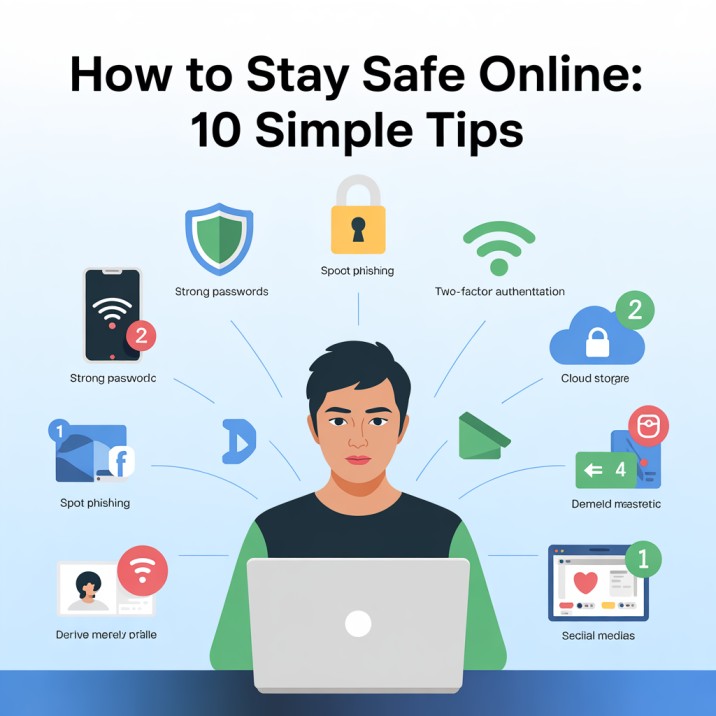
Tip 4: Use Strong Passwords
Using strong, unique passwords for all your online accounts is crucial in protecting your data. Avoid using public computers or devices to access sensitive information, and never share your passwords with others.
Tip 5: Update Your Software
Ensuring your device and software are up-to-date with the latest security patches is essential. Regularly update your operating system, browser, and other apps to prevent vulnerabilities that hackers can exploit.
Tip 6: Use Two-Factor Authentication
Using two-factor authentication (2FA) adds an extra layer of security to your online accounts. 2FA requires a second form of verification, such as a password and a code sent to your phone, making it more difficult for hackers to gain access to your accounts.
Tip 7: Use a Security Software
Installing digital security software is another excellent way to protect yourself while using public Wi-Fi. With a robust security solution like Norton 360 Deluxe, you can browse safely and confidently, knowing you're protected against hacking attacks, malware, and other online threats.
Conclusion
Staying safe online while using public Wi-Fi networks requires vigilance and awareness of the risks involved. By following these essential tips and best practices, you can minimize the risks of using public Wi-Fi and enjoy the convenience of Wi-Fi connectivity with peace of mind. Remember to always prioritize your online safety and take the necessary precautions to protect your data and privacy.