Protecting Your Bank Account from Unauthorized Activity: A Comprehensive Guide
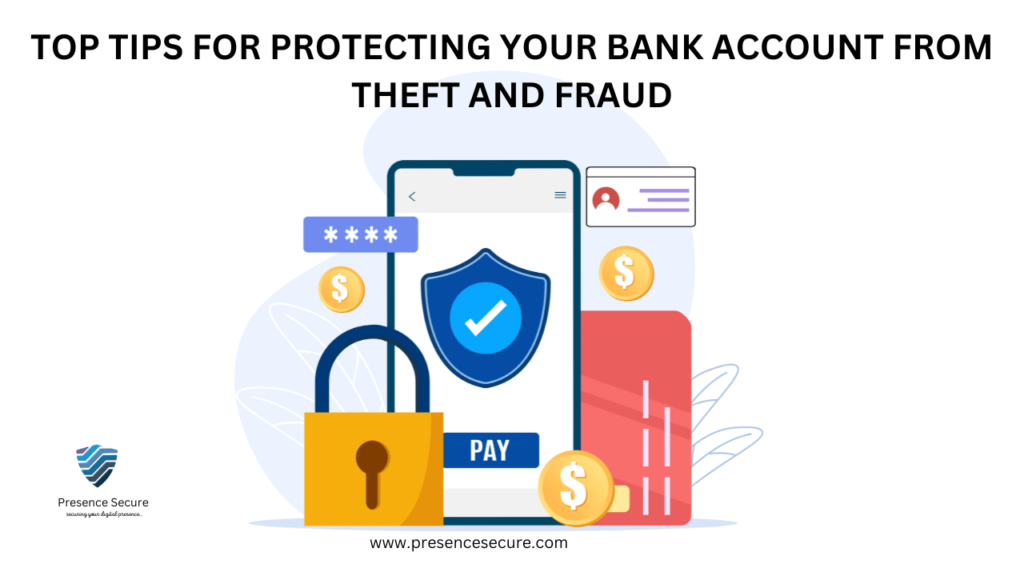
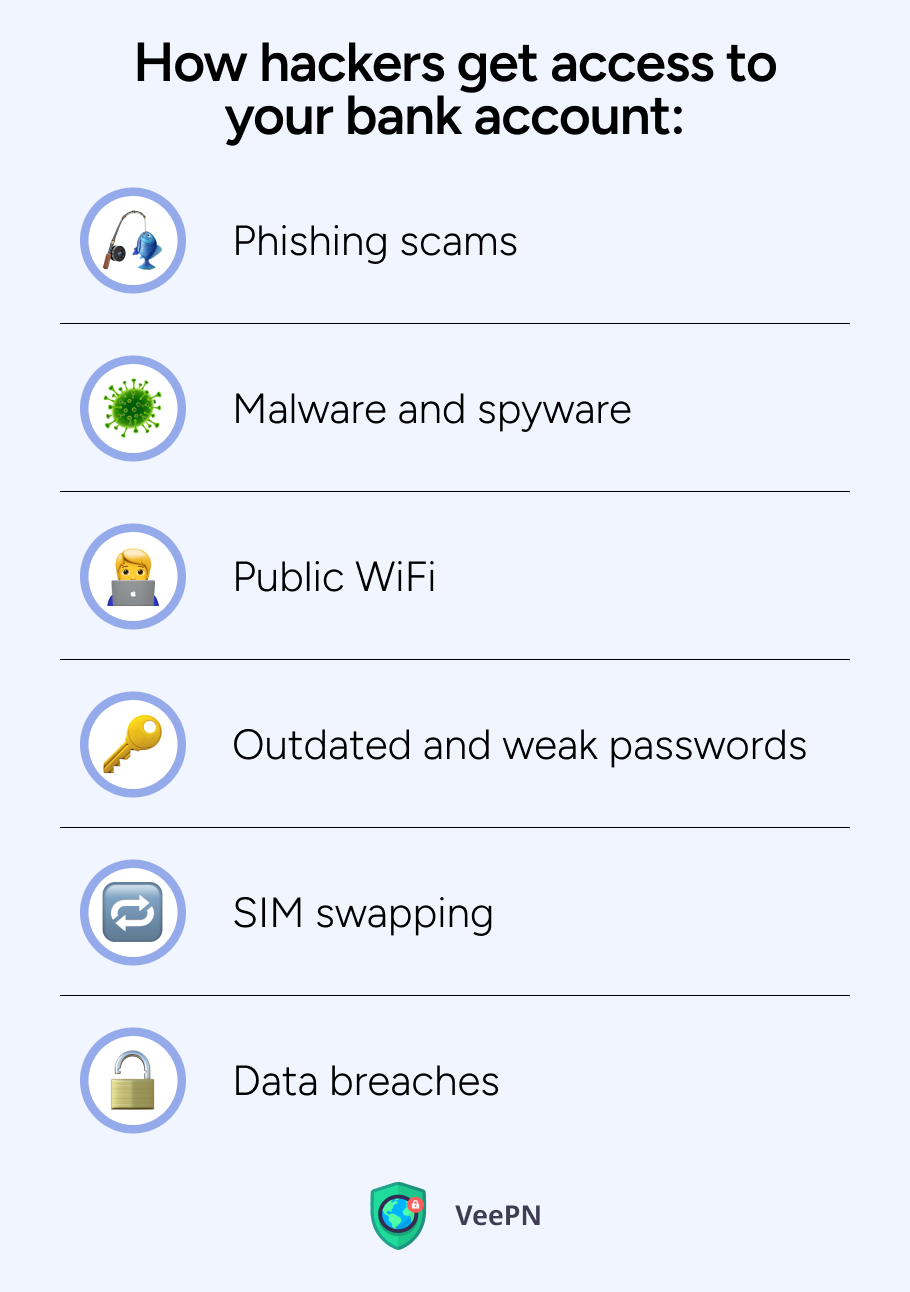
Protecting your bank account from unauthorized activity is one of the most important steps you can take to safeguard your financial identity. Cybercriminals are always searching for ways to access personal information and financial accounts, making it crucial to take proactive measures to prevent fraud and identity theft.
Monitor Your Accounts Regularly
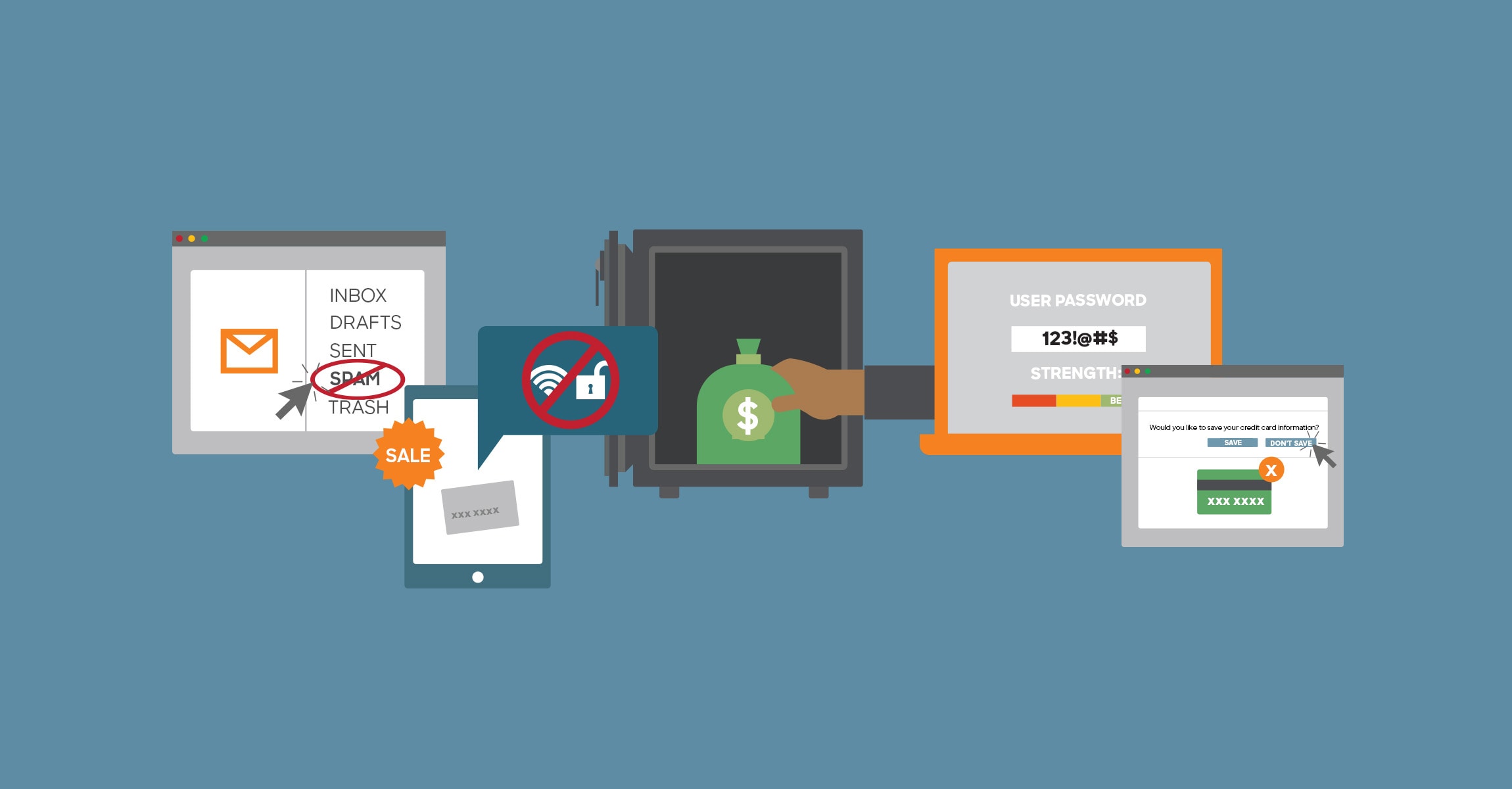
One of the most effective ways to detect unauthorized activity is to regularly monitor your account statements and transactions. Many banks offer real-time transaction alerts via SMS or email, which can be a valuable resource in getting noticed of potential issues. Set up account alerts for all transactions and review your statements frequently for unauthorized charges or unusual and suspicious activity.
Use Secure Connections
When conducting online banking or transferring funds, it's essential to use secure connections. Avoid banking over public Wi-Fi, as these networks are vulnerable to hacking and can compromise your account information. Opt for trusted and secure connections to protect your account from unauthorized access.
Know the Warning Signs of Identity Theft
Being aware of the warning signs of identity theft can help you take prompt action to protect your account. Unusual transactions, unauthorized login attempts, or odd communication regarding your finances can be indicative of a potential issue. If you notice any suspicious activity, contact your bank immediately to report it and take necessary steps to secure your funds.
Understand Your Rights and Protections
If an unauthorized transaction is made using a debit card or other electronic fund transfer, you might have additional protections under federal law. Electronic fund transfers include ATM transactions, purchases using your debit card, some online bill payments, and payments you've set up to be deducted from your account automatically.
Secure Payment Methods

When shopping online, ensure the website is secure (look for "https" in the URL) and avoid saving payment information on websites. Use secure payment methods, such as PayPal, and set up two-factor authentication to add an extra layer of security.
Stay Informed and Vigilant
Stay one step ahead of fraudulent activity by setting up alerts on your bank accounts, investment accounts, and credit cards. These notifications can help you quickly identify and rectify suspicious transactions. Regularly review your credit report and financial accounts for unexpected activity, and consult with a trusted resource, such as the PNC's Identity Theft Information Center, for personalized guidance.
Take Action If You're a Victim
If you've been a victim of identity theft or unauthorized account activity, act quickly to report and prevent further damage. Notify your bank, review your account statements, and take steps to secure your information. Consult with a trusted resource, such as the Federal Trade Commission (FTC), for guidance on reporting and resolving identity theft issues.
Conclusion
Protecting your bank account from unauthorized activity requires ongoing vigilance and awareness of potential threats. By monitoring your accounts regularly, using secure connections, and staying informed about warning signs and rights and protections, you can significantly reduce the risk of identity theft and financial loss. Take proactive steps to safeguard your account and enjoy peace of mind knowing your financial information is secure.
Final Tips
- Set up account alerts for all transactions
- Review your credit report and financial accounts regularly
- Use secure payment methods
- Stay informed about potential threats and warning signs
- Act quickly to report and prevent identity theft issues