Mobile Phone Addiction Symptoms: Understanding the Hidden Struggle
Mobile phone addiction is a growing concern in today's digital age, affecting both mental and physical health. Recognizing the symptoms of phone addiction is crucial to taking proactive steps towards a healthier relationship with technology.
What is Mobile Phone Addiction?
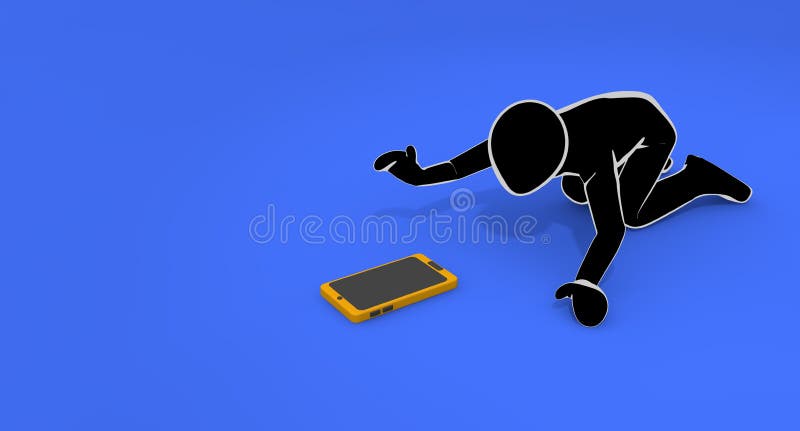
Mobile phone addiction, also known as nomophobia, is a compulsive use of mobile devices despite the negative consequences on mental, emotional, and physical well-being. This addiction can manifest in various ways, including social media addiction, gaming addiction, and internet addiction.
The Signs of Phone Addiction
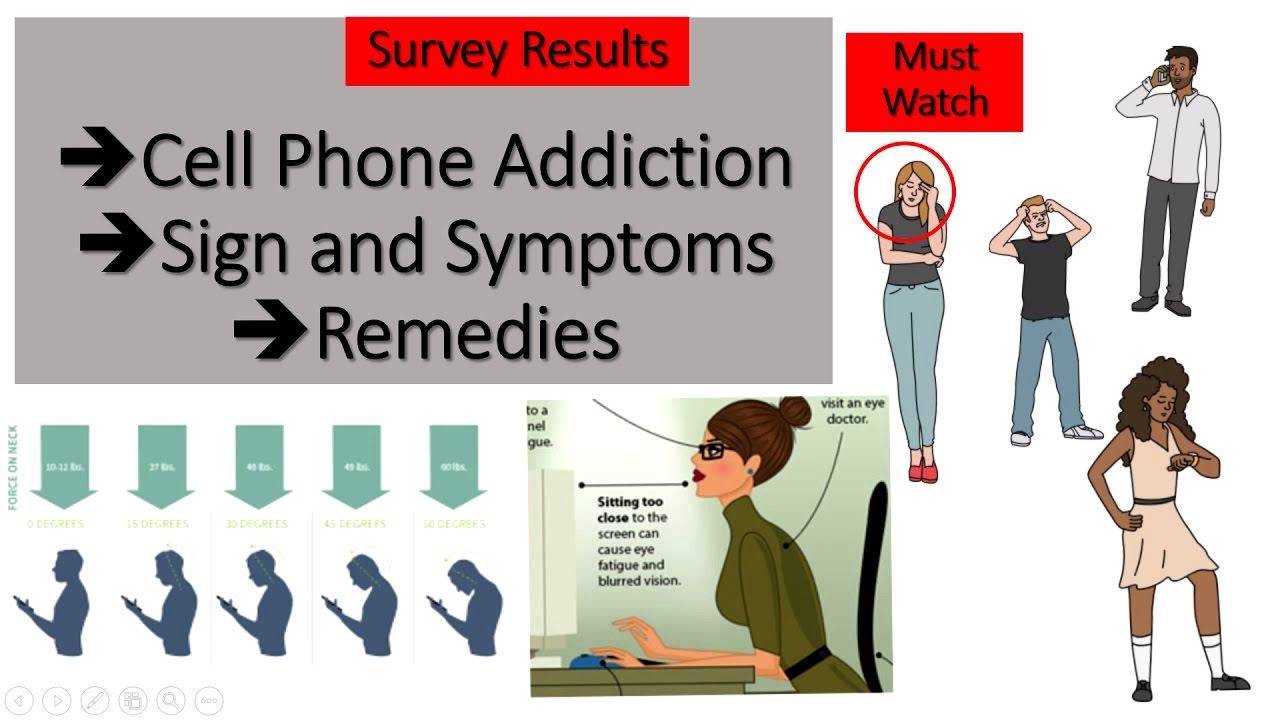
Identifying the symptoms of phone addiction is essential to address the underlying issue. The following are common warning signs to look out for:
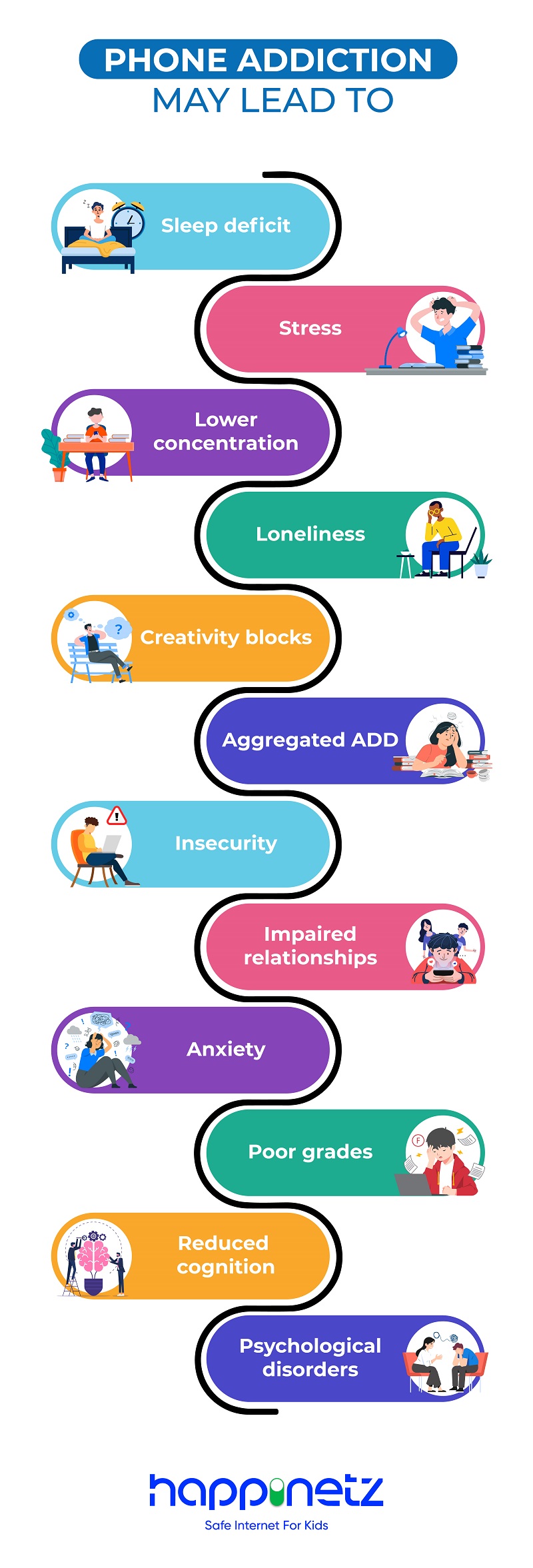
- Mental and Emotional Symptoms: Anxiety when unable to check the phone, difficulty concentrating or remembering things, mood swings or irritability after time away from the phone, and feelings of guilt or shame about screen time.
- Physical Symptoms: Eye strain or fatigue, headaches, and poor posture due to prolonged screen time.
- Behavioral Symptoms: Excessive phone use, neglecting daily responsibilities, and social isolation.
Causes of Phone Addiction
The risk factors for phone addiction can be attributed to a combination of individual, environmental, and social factors, including mental health conditions, younger age, lack of alternative coping mechanisms, certain personality traits, and social influences.
Treatment Options for Phone Addiction
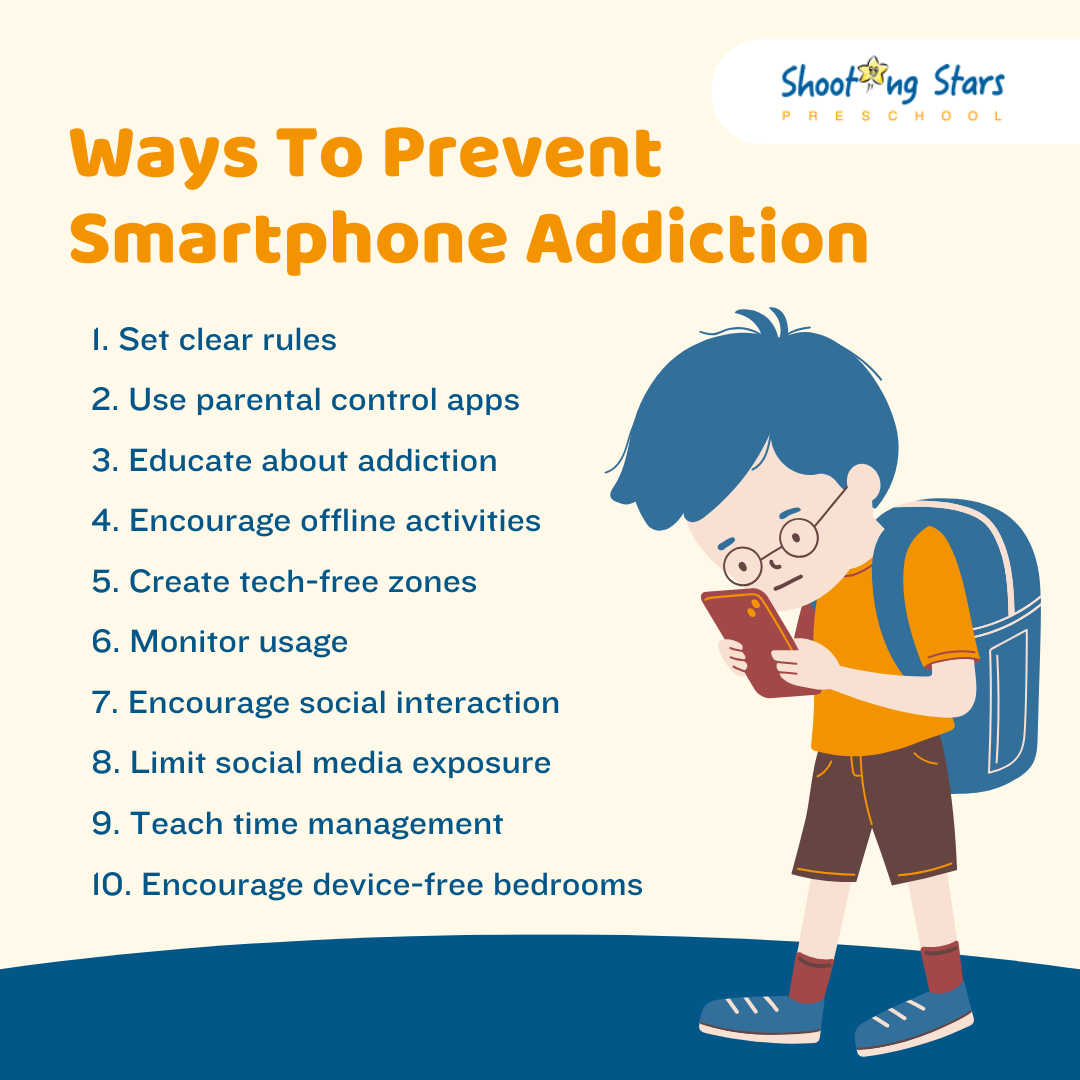
Fortunately, phone addiction is treatable, and various options are available to overcome the condition. These include:
- Psychotherapy: Individual or group therapy sessions to address underlying issues and develop healthy coping mechanisms.
- Motivational Interviewing (MI): A goal-oriented approach to help individuals recognize the need for change and develop a plan to achieve it.
- Support Groups: A community of individuals sharing similar struggles, providing encouragement and guidance throughout the recovery process.
- Lifestyle Changes: Implementing healthy habits, such as regular exercise, meditation, and screen-free time, to reduce phone use.
- Family Therapy: Family members can play a vital role in supporting the individual in recovery, promoting healthy phone use habits, and ensuring a balanced family dynamic.
Breaking the Cycle of Phone Addiction
Understanding the symptoms of phone addiction and seeking treatment is the first step towards a healthier relationship with technology. By acknowledging the signs and causes of phone addiction, individuals can take proactive steps to regain control of their lives and develop a more balanced approach to phone use.
Conclusion
Mobile phone addiction is a real and growing concern, but with awareness and the right support, it is possible to overcome the condition. By recognizing the symptoms of phone addiction and exploring available treatment options, individuals can break the cycle of addiction and cultivate a healthier, more mindful relationship with technology.






 "Cell Phone Addiction: Is It Really a Thing, and What Can You Do?")