Identity Theft Protection Cybersecurity Tips: Staying Safe in a Digitally Chaotic World
Cybersecurity threats are a constant presence in today's digitally connected world. With identity theft and data breaches on the rise, it's more important than ever to take proactive steps to protect your personal information and safeguard your online identity. In this article, we'll share our top identity theft protection cybersecurity tips to help you stay one step ahead of cyber threats.
Why Identity Theft Protection Matters
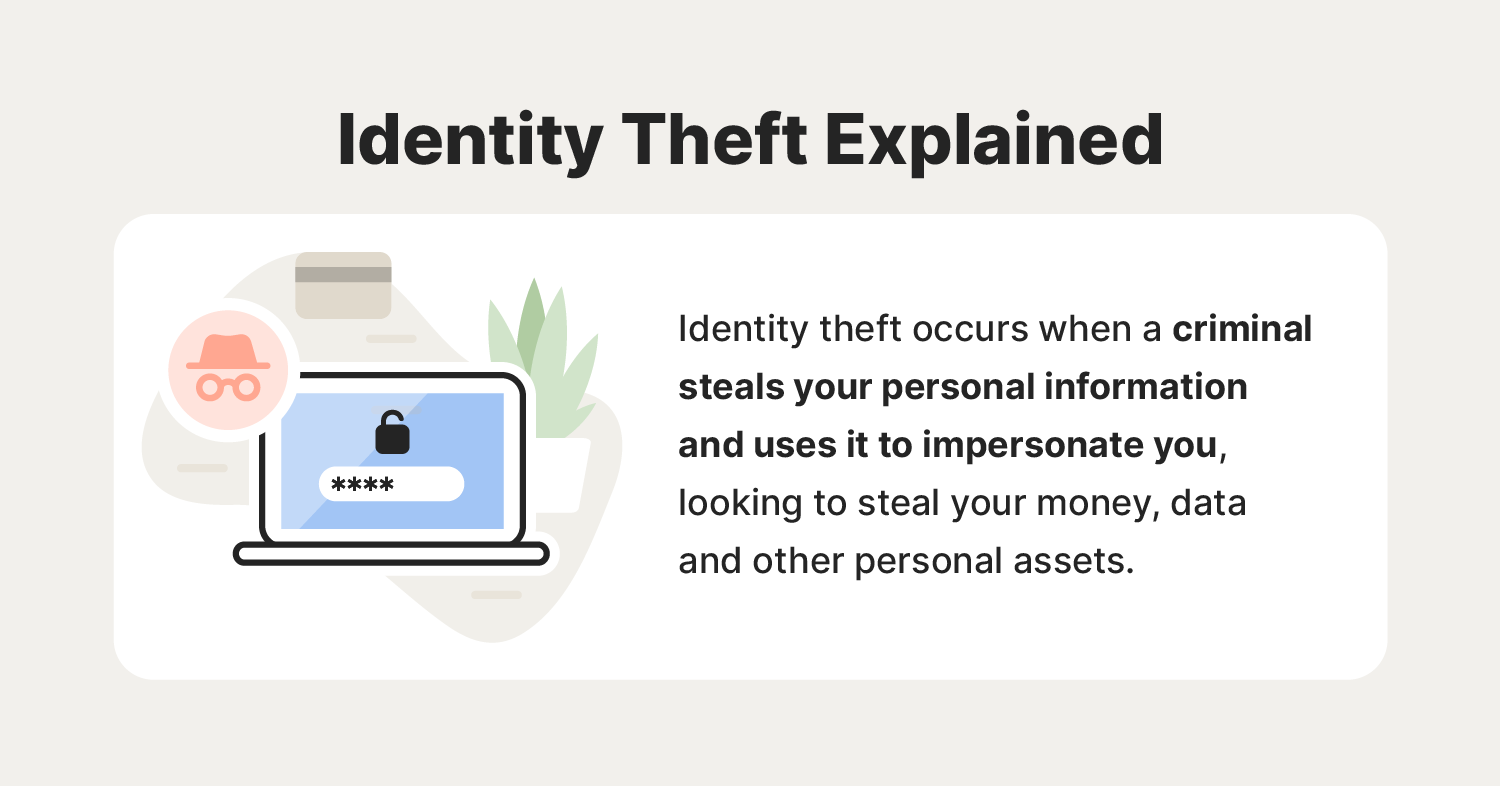
Identity theft can have severe consequences, including financial loss, damaged credit, and even identity-based cyber attacks. With a single piece of sensitive information, a hacker can access your personal accounts, drain your bank account, or even block access to your health benefits and tax refund. In fact, a data breach can have far-reaching implications for you and your family. Therefore, identity theft protection is a crucial aspect of maintaining your online security and well-being.
Top Identity Theft Protection Cybersecurity Tips
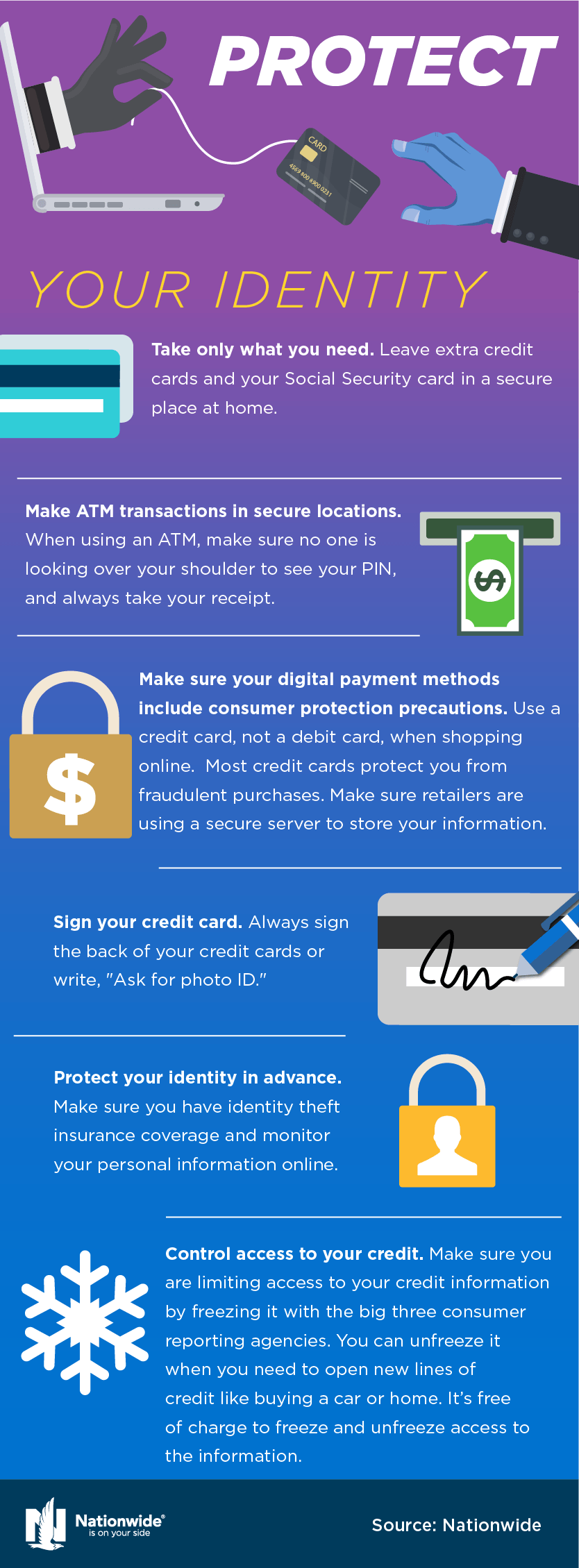
- 1. Use Strong and Unique Passwords
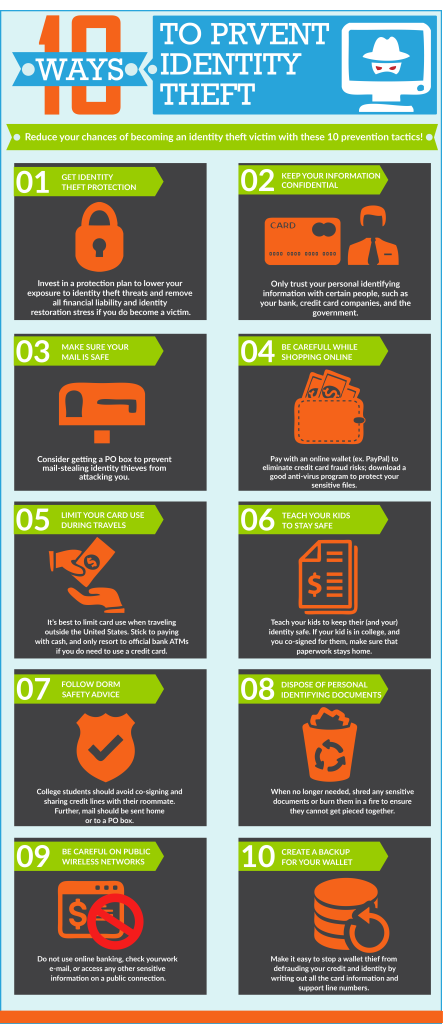
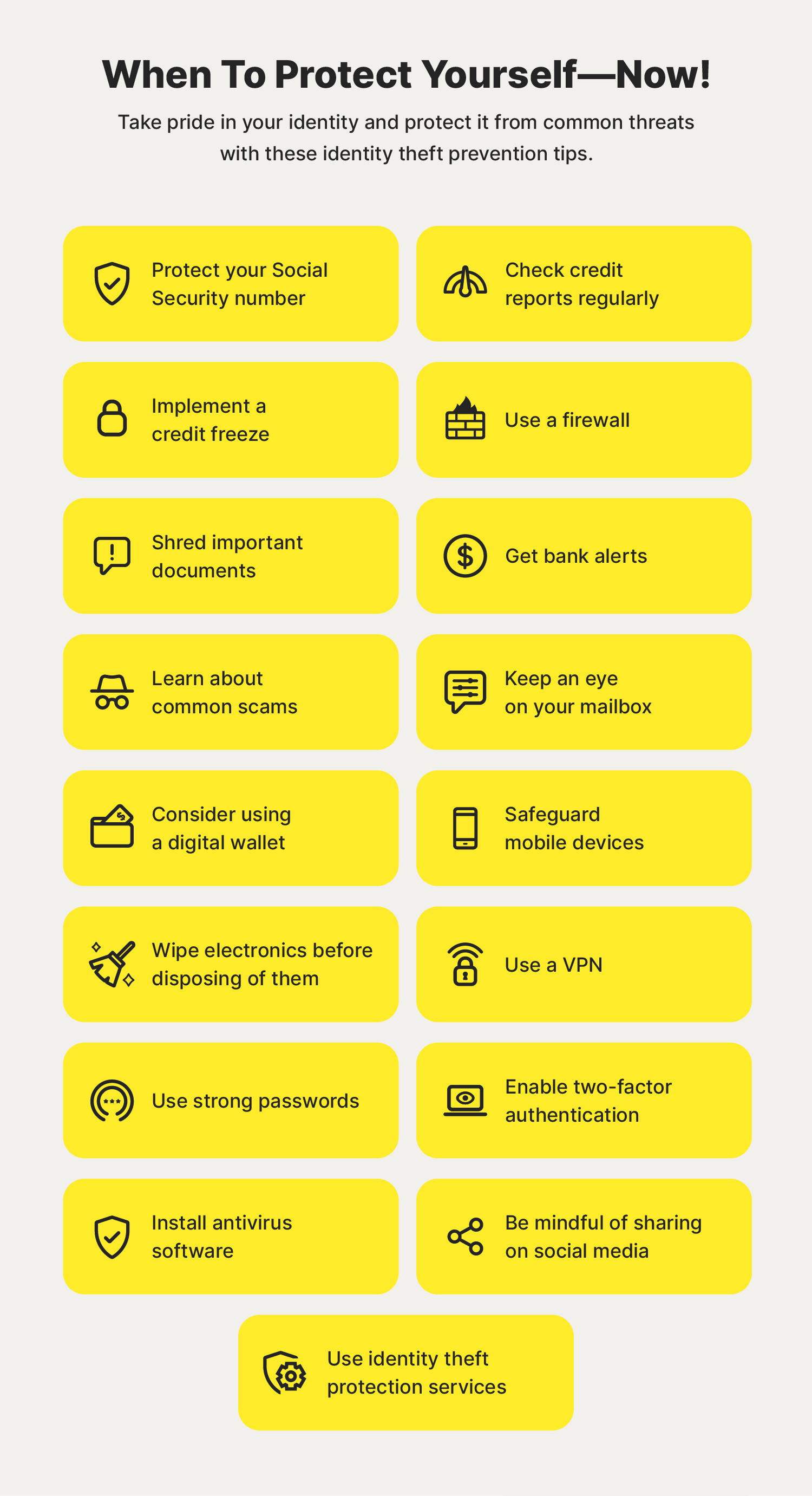
One of the simplest ways to protect your identity is by using strong and unique passwords for all of your online accounts. A strong password should be a combination of letters, numbers, and special characters, and should not be used across multiple accounts.
- 2. Enable Two-Factor Authentication (2FA)
Enabling 2FA adds an additional layer of security to your online accounts by requiring you to provide a second form of verification (e.g., a fingerprint, SMS code, or swipe on a authenticator app) before accessing an account.
- 3. Monitor Your Credit Reports
Regularly checking your credit reports can help you detect any suspicious activity that may indicate identity theft. You can request a free credit report from each of the three major credit reporting agencies (Experian, TransUnion, and Equifax) once a year.
- 4. Be Cautious with Public Wi-Fi Networks
Public Wi-Fi networks can be vulnerable points of access for data or identity thieves. Avoid using public Wi-Fi for sensitive activities, such as online banking or email, and consider using a virtual private network (VPN) when connecting to public Wi-Fi.
- 5. Keep Your Devices and Software Up to Date
Regularly updating your devices and software can help protect against known vulnerabilities and security exploits. Enable automatic updates for your operating system, browser, and other software to ensure you always have the latest security patches.
- 6. Use Encryption and Secure Networks
Encryption and secure networks can help protect your data from unauthorized access. Look for 'https' in the URL of a website and consider using a VoIP (Voice over Internet Protocol) app for secure voice calls.
- 7. Be Cautious with Phishing Scams
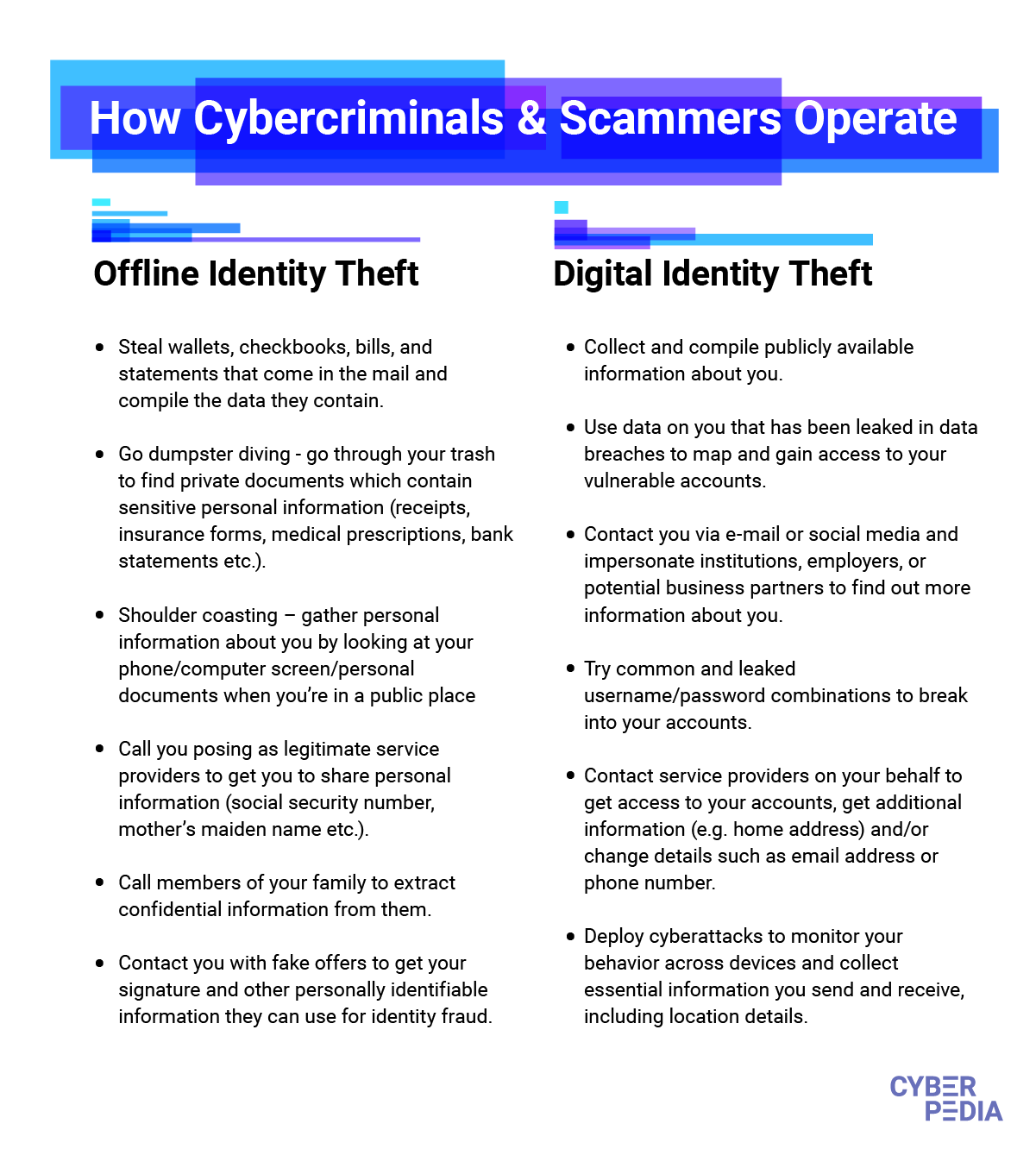
Phishing scams often involve hackers sending fake emails, messages, or phone calls to trick victims into revealing sensitive information. Be wary of unsolicited emails, suspicious links, or requests for personal information.
- 8. Consider Identity Theft Protection Services
Identity theft protection services, such as Aura, can provide an added layer of security and protection for your personal information. These services typically include features like dark web monitoring, credit tracking, and recovery support.
Conclusion
Identity theft and data breaches can have serious consequences, but with the right identity theft protection cybersecurity tips and a proactive approach, you can reduce the risk of falling victim to these threats. By following the tips outlined in this article, you can protect your personal information, safeguard your online identity, and stay safe in a digitally chaotic world.