All About Phone Hacking Prevention Methods
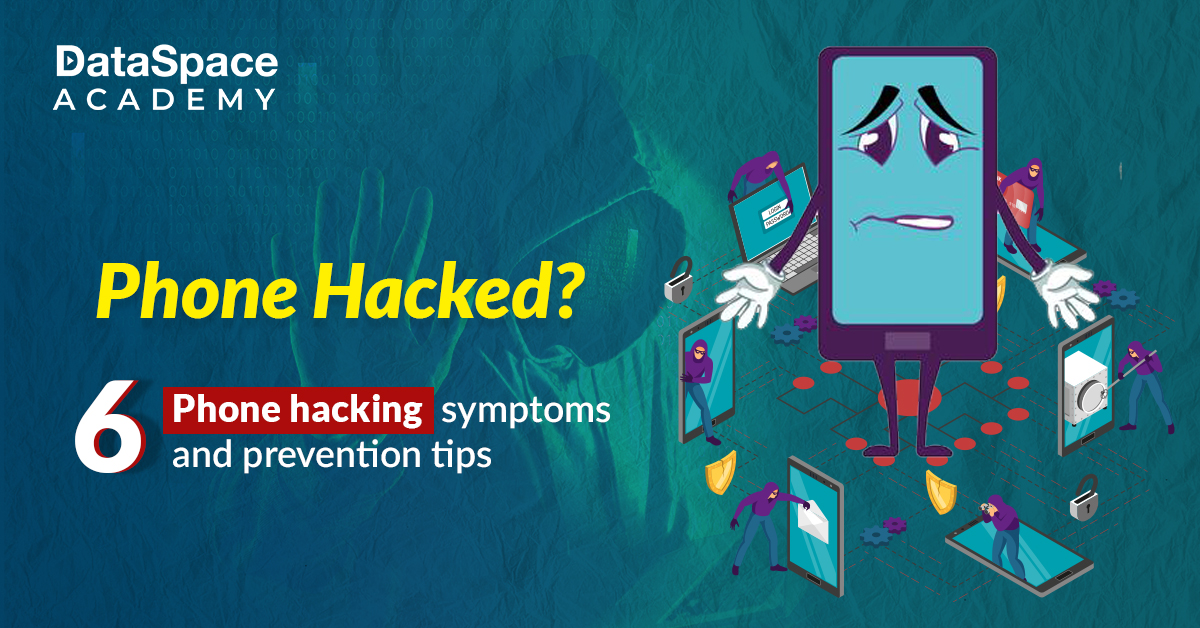
With the increasing number of mobile phone users, phone hacking has become a serious security threat. Hackers can steal your personal information, compromise your financial accounts, and even gain access to your sensitive documents. In this article, we will discuss the prevention methods to protect your phone from hacking.
What is Phone Hacking?
Phone hacking refers to the unauthorized access or manipulation of a mobile phone's data, applications, or systems. This can be done through various methods, including phishing, malware, and physical access to the device. Hackers can steal sensitive information, such as passwords, credit card numbers, and personal data, which can lead to identity theft, financial fraud, and other cybercrimes.
Why is Phone Hacking a Serious Concern?
Phone hacking can have serious consequences, including:
- Identity theft: Hackers can steal your personal information and use it to open new accounts, take out loans, or make purchases in your name.
- Financial fraud: Hackers can access your financial accounts, transfer funds, or make unauthorized purchases.
- Data breaches: Hackers can gain access to your sensitive documents, such as tax returns, medical records, or financial information.
- Device compromise: Hackers can take control of your device, install malware, or use it for malicious activities.
Prevention Methods to Protect Your Phone from Hacking
To prevent phone hacking, follow these prevention methods:
1. Use a Strong Password and Enable Two-Factor Authentication
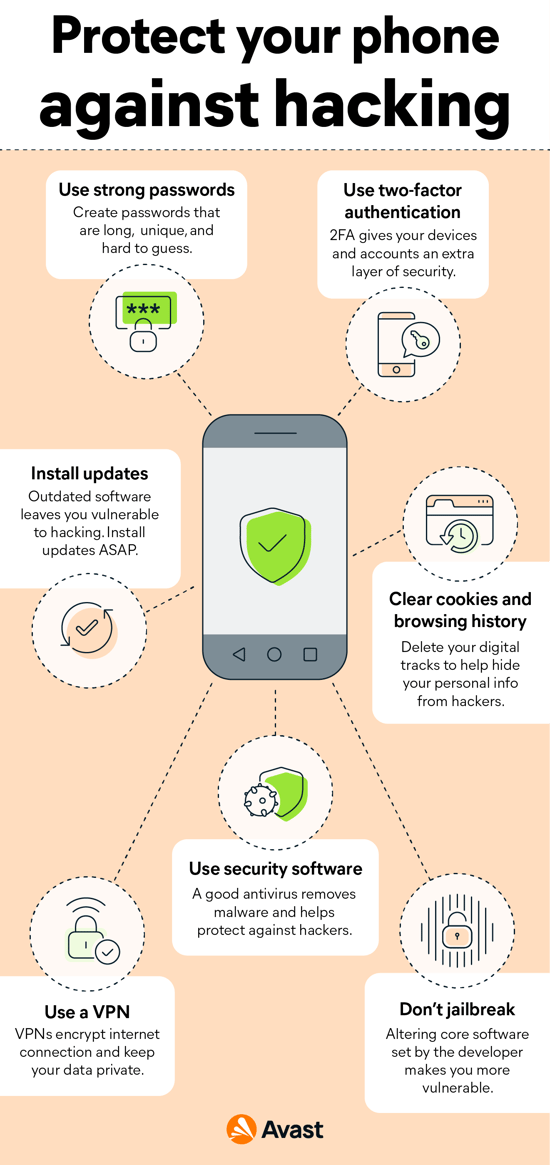
Use a strong and unique password for your phone and enable two-factor authentication (2FA) to add an extra layer of security. 2FA requires both your password and a verification code sent to your phone or email to access your account.
2. Keep Your Phone and Apps Up-to-Date
Regularly update your phone's operating system and apps to ensure you have the latest security patches and features. Enable automatic updates to ensure your device is always protected.
3. Be Cautious with Apps and Download Sources
Only download apps from trusted sources, such as the App Store or Google Play. Be cautious of suspicious apps or those that request unnecessary permissions.
4. Use a Virtual Private Network (VPN)

Use a VPN to encrypt your internet traffic and protect your data when using public Wi-Fi networks. A VPN can help prevent hackers from intercepting your data.
5. Enable Encryption
Enable encryption on your phone to protect your data in case your device is lost or stolen. Encryption scrambles your data, making it unreadable to unauthorized access.
6. Use a Mobile Security App
Install a reputable mobile security app to scan your device for malware and provide real-time protection against hacking attempts.
7. Back Up Your Data Regularly
Regularly back up your data to a secure location, such as a cloud storage service or an external hard drive. This will ensure your data is safe in case your device is compromised.
8. Be Aware of Phishing Attacks
Be cautious of phishing attacks, which involve hackers sending fake messages or emails to trick you into revealing sensitive information. Never click on suspicious links or provide personal information to unknown sources.
Conclusion
Phone hacking is a serious security threat that can have severe consequences. By following the prevention methods outlined above, you can protect your phone and sensitive information from hacking. Remember to stay vigilant, be cautious of suspicious activities, and take regular precautions to ensure your device and data are secure.
Additional Tips
Here are some additional tips to prevent phone hacking:
- Use a password manager to generate and store unique, complex passwords.
- Enable Find My Phone to locate your device in case it's lost or stolen.
- Use a biometric login, such as fingerprint or facial recognition, to add an extra layer of security.
- Regularly review your phone's security settings and adjust them as needed.
- Avoid using public Wi-Fi networks for sensitive activities, such as online banking or shopping.