Prevent Online Unauthorized Access: A Guide to Enhanced Data Protection
Introduction
In today's digital landscape, protecting sensitive data from unauthorized access is a top priority for organizations and individuals alike. With the increasing number of cyber threats and data breaches, it's essential to implement robust security measures to prevent unauthorized access to networks, systems, applications, and data. In this article, we'll explore the importance of preventing online unauthorized access, its consequences, and provide effective strategies to detect and prevent these attacks.What is Unauthorized Access?
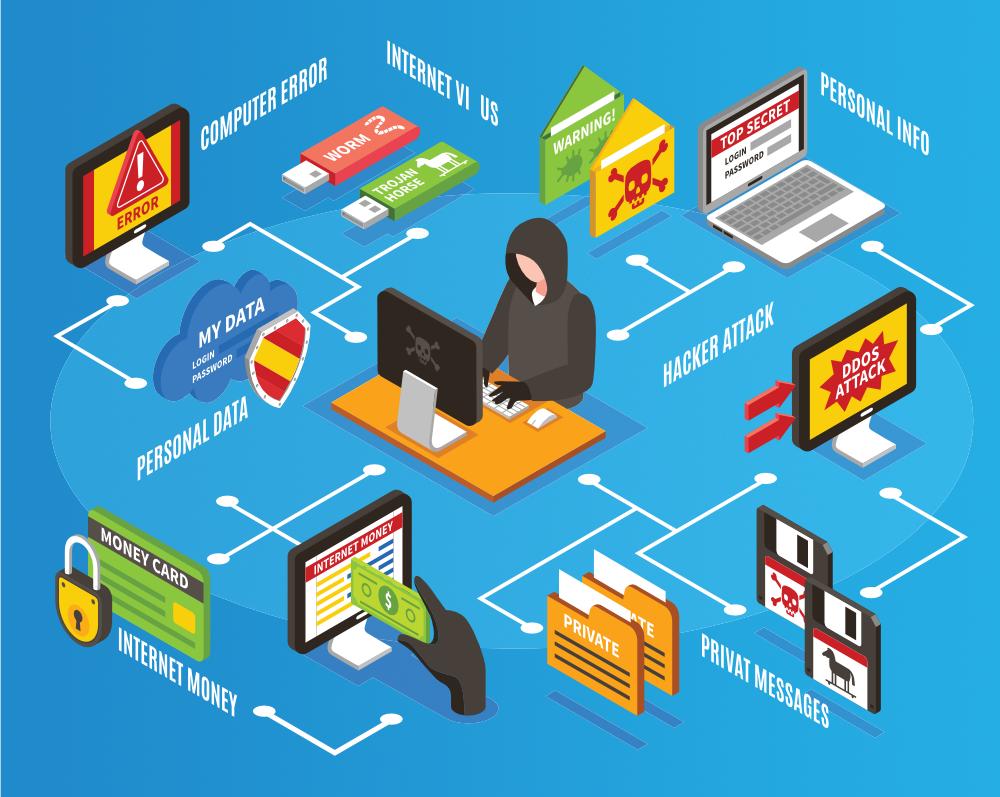
Unauthorized access occurs when individuals gain access to an organization's networks, systems, applications, data, or devices without permission. This can lead to network integrity breaches, data loss, and compromised security. Common causes of unauthorized access include weak passwords, phishing attacks, and inadequate physical security.The Risks of Unauthorized Access
Unauthorized access can have severe consequences, including: * **Data breaches**: Sensitive information can be stolen, misused, or sold on the dark web. * **System compromise**: Malware, viruses, or ransomware can infect systems, disrupting operations and causing financial losses. * **Reputation damage**: Unauthorized access can tarnish an organization's reputation, eroding trust with customers, partners, and stakeholders.4 Effective Strategies to Prevent Online Unauthorized Access
-
Enforce Least Privilege
Limit user permissions to the minimum required for their tasks. This reduces the attack surface and prevents lateral movement in the event of a breach. -
Use Multifactor Authentication (MFA)
MFA adds an extra layer of security by requiring users to provide a second form of verification, such as a code sent to their phone or a biometric scan. This makes it significantly harder for attackers to gain unauthorized access. -
Keep Software Updated
Regularly update operating systems, applications, and firmware to patch known vulnerabilities and prevent exploitation by attackers. -
Monitor User Activity
Implement logging and monitoring to detect and respond to suspicious activity, including unusual login attempts, data access, or system changes.