Nomophobia Recovery Tips: Breaking Free from Phone Addiction
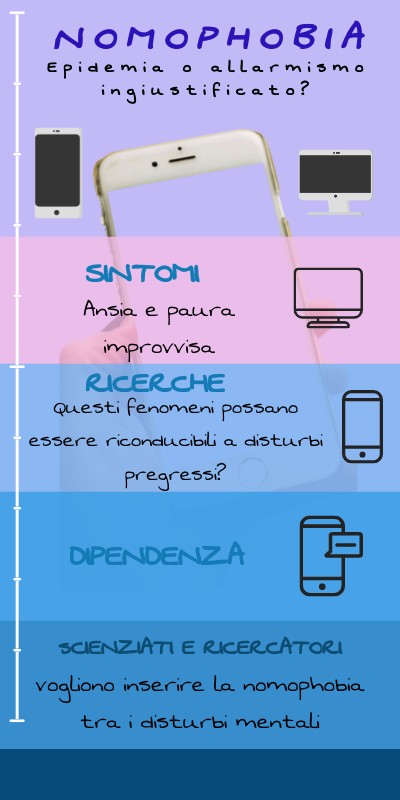
Nomophobia, also known as smartphone addiction, is a growing concern in today's digital age. The fear of being without a mobile phone can lead to anxiety, distress, and a range of negative consequences on daily life. If you're struggling with nomophobia, it's essential to take steps towards recovery. In this article, we'll explore the causes, symptoms, and effective recovery tips to help you overcome nomophobia.
Understanding Nomophobia
Nomophobia is a psychological condition characterized by an excessive and compulsive use of smartphones. It can lead to feelings of anxiety, agitation, and disorientation when separated from the device. Research has found that several psychological factors contribute to the development of nomophobia, including low self-esteem, existing anxiety disorders, and an extroverted personality.
Causes of Nomophobia
- Excessive phone use and constant need for validation through digital means
- Tech dependency and increasing reliance on digital devices for practical and emotional needs
- Low self-esteem, existing anxiety disorders, and an extroverted personality
Symptoms of Nomophobia
- Spending excessive time on the phone
- Neglecting responsibilities and daily activities
- Difficulty disconnecting from the phone and experiencing anxiety or distress when separated
- Impact on relationships, productivity, and overall well-being
Nomophobia Recovery Tips
Recovering from nomophobia requires a combination of self-awareness, motivation, and support. Here are some effective recovery tips to help you overcome phone addiction:
1. Digital Detox
Switch off your phone or take a break from social media to reduce digital anxiety and give yourself time to reflect on your phone use.
2. Set Boundaries and Limits
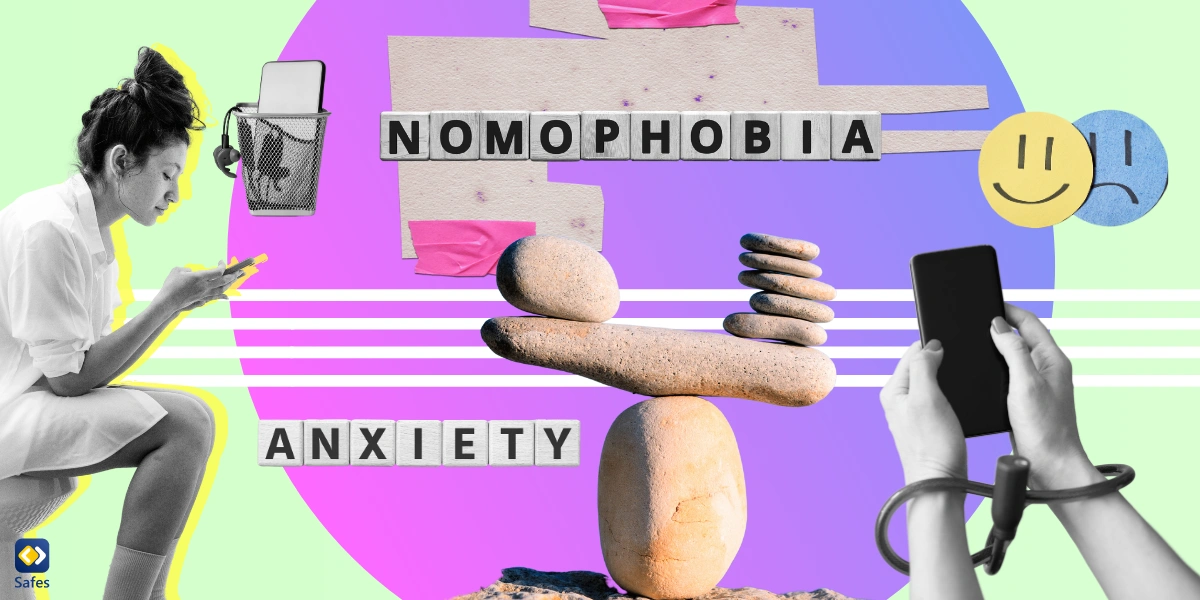
Establish phone-free zones and times, such as during meals, in bedrooms, or during family time, to reduce phone use and promote healthy habits.
3. Find Alternative Activities
Engage in hobbies, sports, or other activities that bring you joy and help you connect with others, reducing the need to constantly check your phone.
4. Seek Support and Accountability
Share your struggles with a friend or family member and ask for their support and accountability to help you stay motivated and on track.
5. Practice Mindfulness and Self-Care
Develop mindfulness techniques, such as meditation or deep breathing, to help you stay present and focused, reducing the urge to constantly check your phone.
6. Seek Professional Help
If you're struggling to overcome nomophobia on your own, consider seeking professional help from a therapist or counselor who can provide guidance and support.
Conclusion
Nomophobia is a growing concern that can have serious consequences on daily life. By understanding the causes and symptoms of nomophobia, you can take the first steps towards recovery. With these effective recovery tips, you can break free from phone addiction and develop healthier habits that promote well-being and happiness.
Final Tips
Remember, recovery from nomophobia is a journey that takes time, effort, and patience. Be kind to yourself, and don't be afraid to seek help when needed. With the right mindset and support, you can overcome phone addiction and live a more balanced, fulfilling life.