What to Include in a Cover Letter: A Comprehensive Guide
A cover letter is a crucial component of a job application that provides the opportunity to showcase your skills, experience, and interest in the role. When it comes to writing a cover letter, many job seekers are unsure of what to include and how to structure their letter. In this article, we will provide a comprehensive guide on what to include in a cover letter, along with examples and tips to help you land your dream job.
Introduction
When writing a cover letter, it's essential to start with a strong introduction that addresses the hiring manager directly. This should be followed by a brief overview of how you come across the job and why you're interested in the role. Your introduction should be concise and engaging, highlighting your relevant skills and experience.
What to Include in a Cover Letter
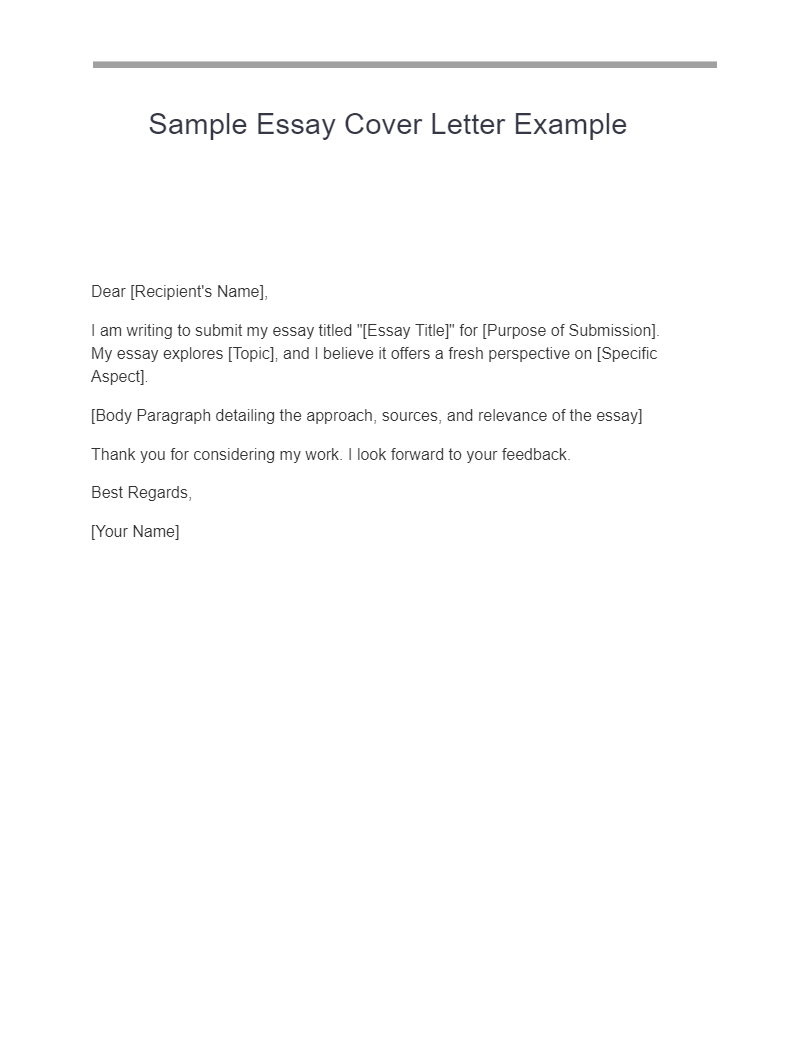
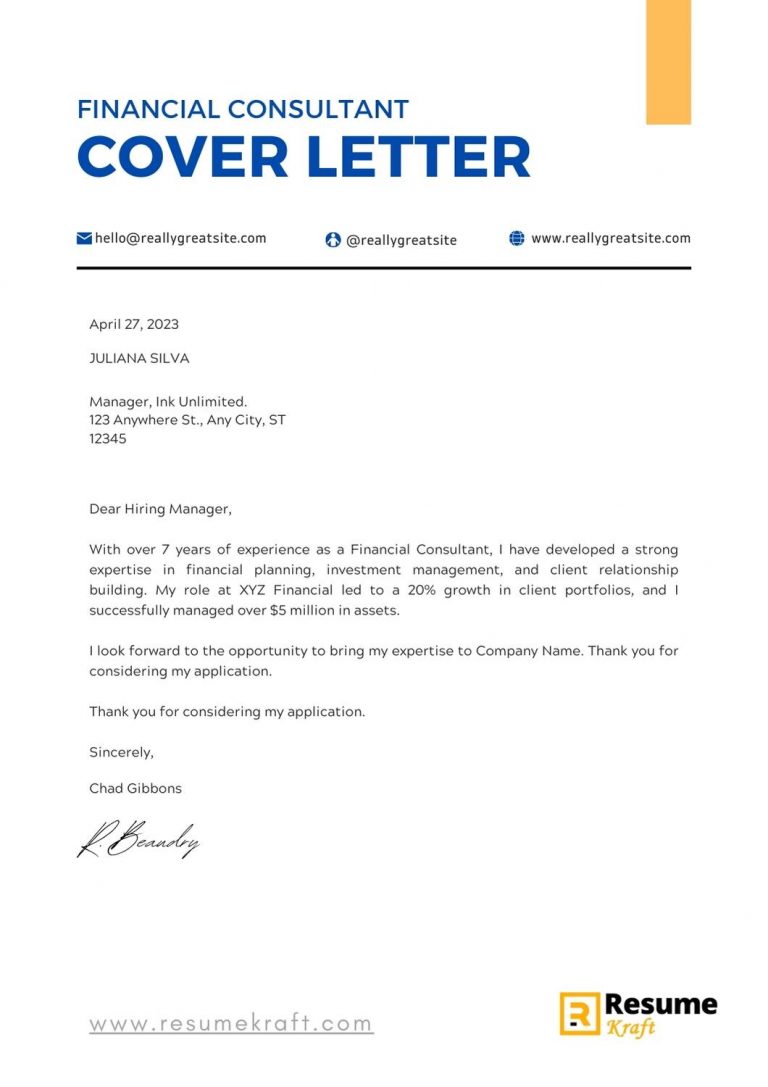
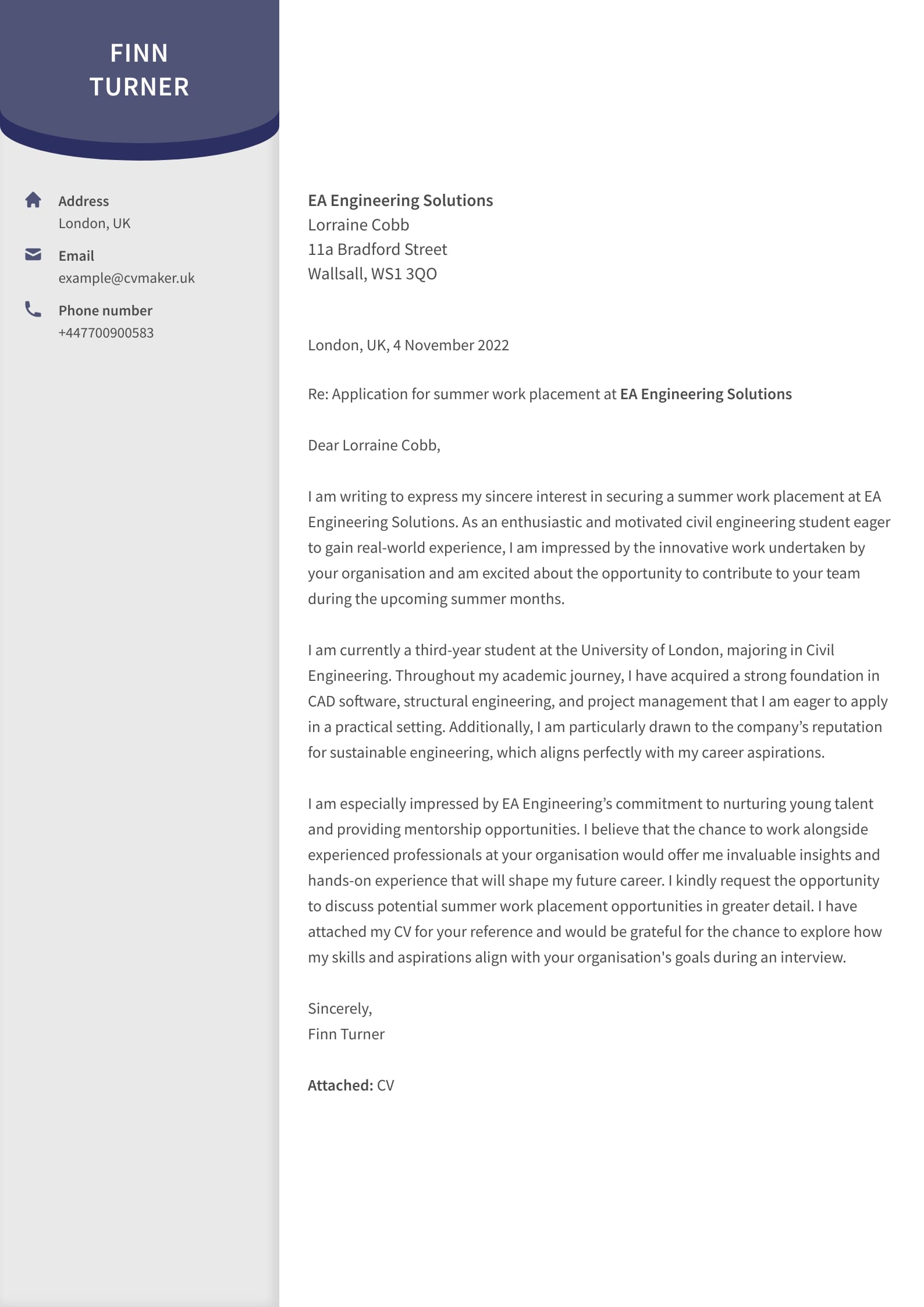
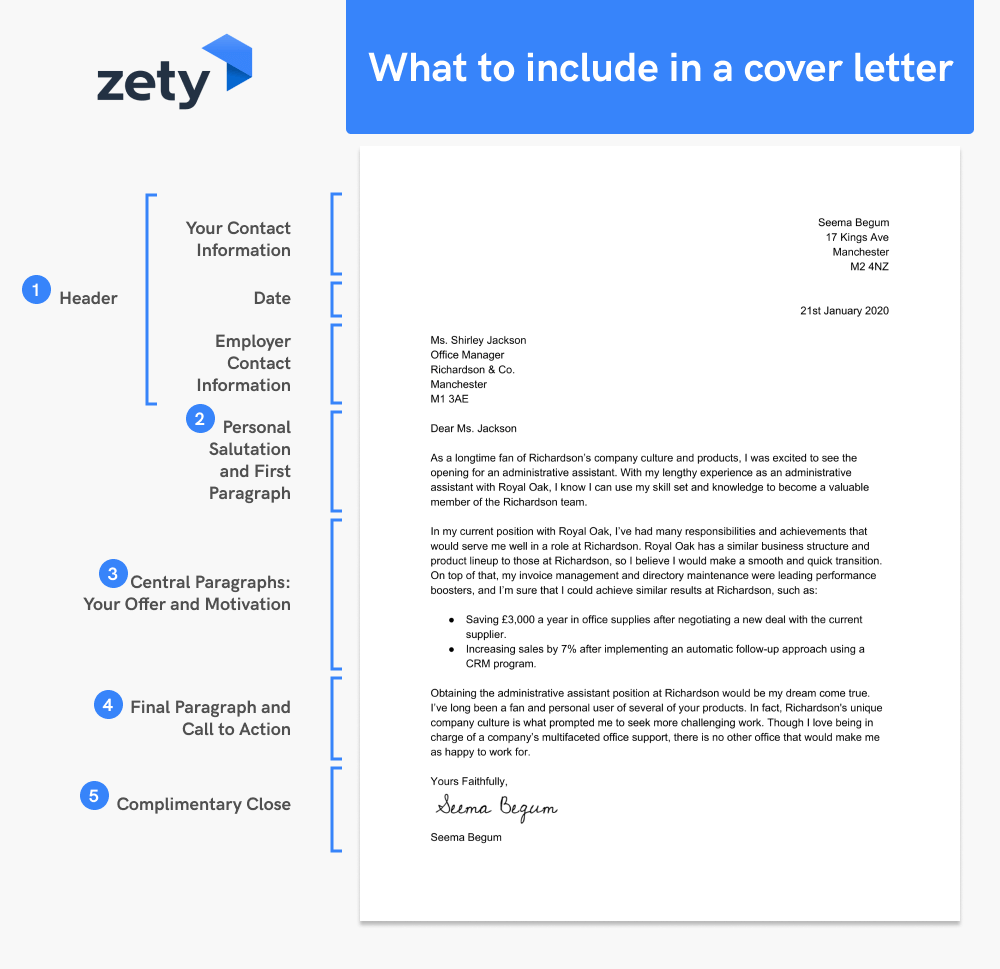
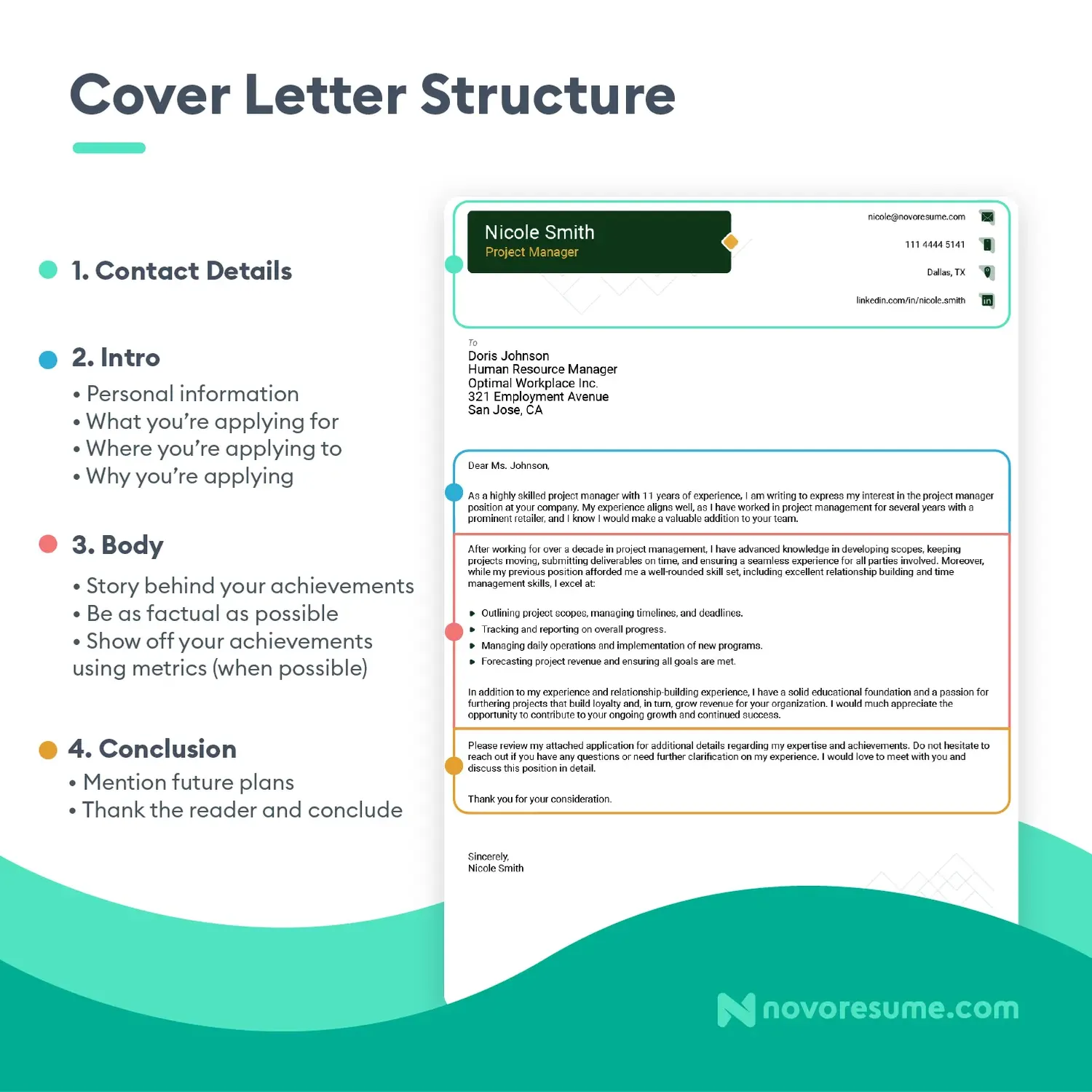
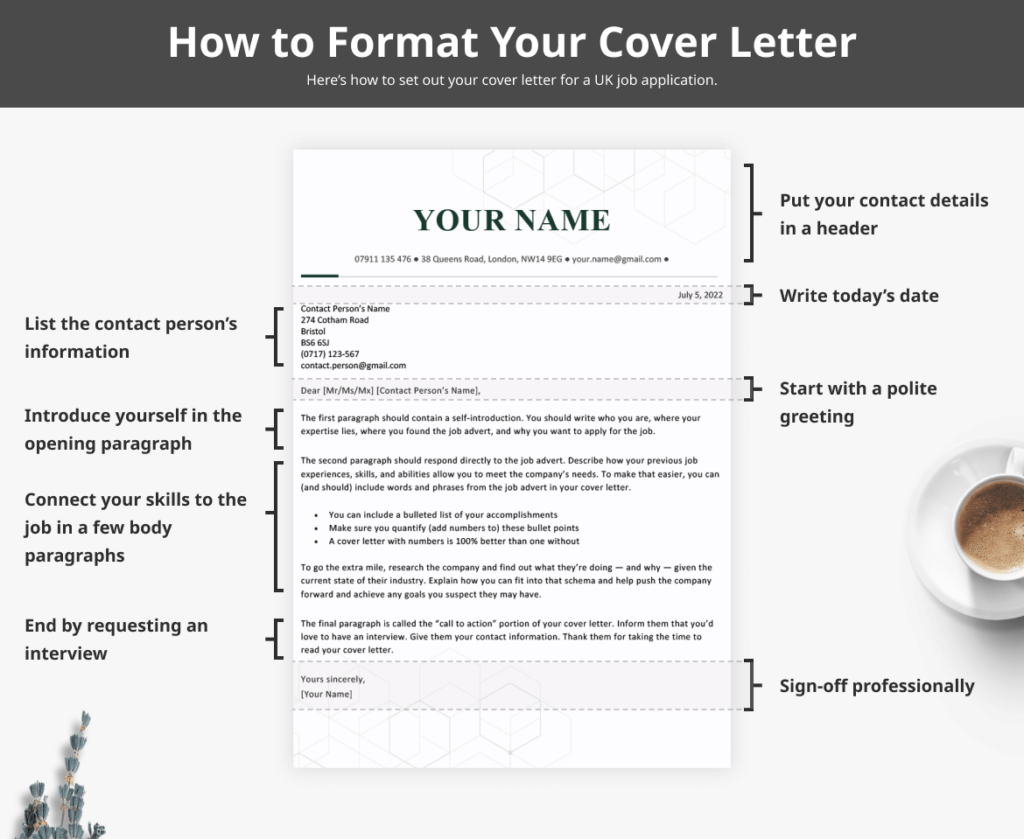
A well-structured cover letter should include the following elements:
-
The header should include your contact information, including your name, address, phone number, and email address.
-
Greeting
The greeting should address the hiring manager directly, using their title and last name whenever possible. If you're unsure of the hiring manager's name, you can use a generic salutation such as "Dear Hiring Manager" or "Dear [Job Title] Team."
-
Introduction
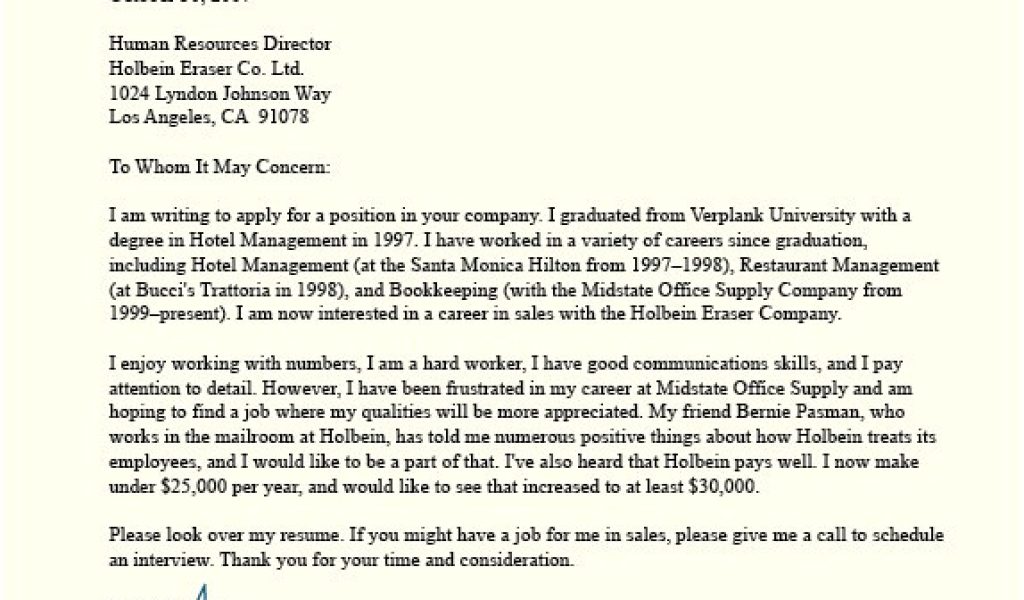
The introduction should provide an overview of how you came across the job and why you're interested in the role. This should be a brief summary of your relevant skills and experience.
-
Body Paragraphs
The body paragraphs should highlight your relevant skills and experience, demonstrating how you can contribute to the organization. This should be supported by specific examples and anecdotes that showcase your accomplishments and achievements.
-
Closing
The closing should express your gratitude for the opportunity to apply for the role and invite the hiring manager to contact you for further discussion. This should be followed by a professional sign-off and your contact information.
Additional Tips
When writing a cover letter, it's essential to include the following additional elements:
-
Keywords and Phrases
The keywords and phrases you use should be relevant to the job description and requirements. This will help your cover letter pass through applicant tracking systems (ATS) and catch the eye of the hiring manager.
-
Action Verbs
Action verbs such as "managed," "created," and "developed" should be used to describe your achievements and accomplishments.
-
Specific Examples
Specific examples and anecdotes should be used to demonstrate your skills and experience. These should be supported by metrics and statistics that showcase your achievements.
-
Professional Tone and Language
The tone and language used should be professional and polished. Avoid using jargon and buzzwords, and instead opt for clear and concise language.
Conclusion
Writing a cover letter that gets results requires a combination of the right elements and a professional tone. By including the elements outlined above, you'll be well on your way to creating a cover letter that showcases your skills, experience, and interest in the role. Remember to tailor your cover letter to each job application, using keywords and phrases from the job description and requirements. With practice and patience, you'll be able to craft a cover letter that lands you your dream job.
Final Tips
Before submitting your cover letter, be sure to:
-
Proofread
Proofread your cover letter carefully, checking for spelling and grammar errors.
-
Customize
Customize your cover letter to each job application, using keywords and phrases from the job description and requirements.
-
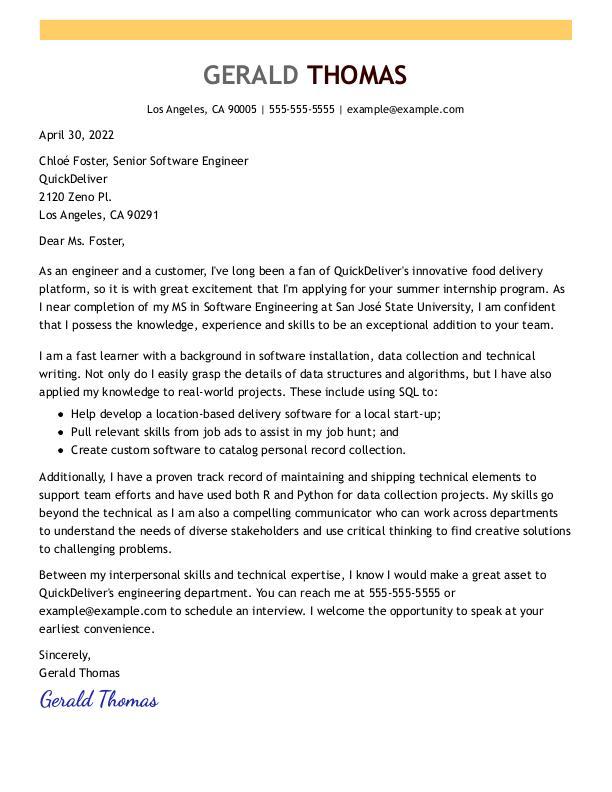
Use a Professional Font
Use a professional font such as Arial or Calibri, and avoid using fonts that are too ornate or distracting.
-
Keep it Concise
Keep your cover letter concise and to the point, avoiding unnecessary details and anecdotes.
Conclusion
Writing a cover letter that gets results requires a combination of the right elements, a professional tone, and attention to detail. By following the tips outlined in this article, you'll be well on your way to creating a cover letter that showcases your skills, experience, and interest in the role. Remember to proofread carefully, customize your cover letter to each job application, and use a professional font and language. With practice and patience, you'll be able to craft a cover letter that lands you your dream job.


:max_bytes(150000):strip_icc()/cover-letter-format-2060205_FINAL-5ba5289e4cedfd0050e2fc67.png "20 Key Elements To Include In Your Cover Letter - Forbes")
![What Should You Include in Your Cover Letter? [w/ Tips for 2026]](https://images.ctfassets.net/14q5t4r3zqb4/50Bs1omZxw2f7LNWKTBGdJ/be6d7d41377d014fdc89a0adecd70363/fonts-cover-letter.png?w=816&q=90 "What Should You Include in Your Cover Letter? [w/ Tips for 2026]")