Protecting Your WiFi Network from Neighborhood Devices
With the increasing number of devices connected to the internet, it's not uncommon for neighbors to use your WiFi network without permission. This can lead to security risks, slow internet speeds, and even legal issues. In this article, we'll discuss the importance of protecting your WiFi network from neighborhood devices and provide you with valuable tips to secure your connection.
Why is it Important to Protect Your WiFi Network?
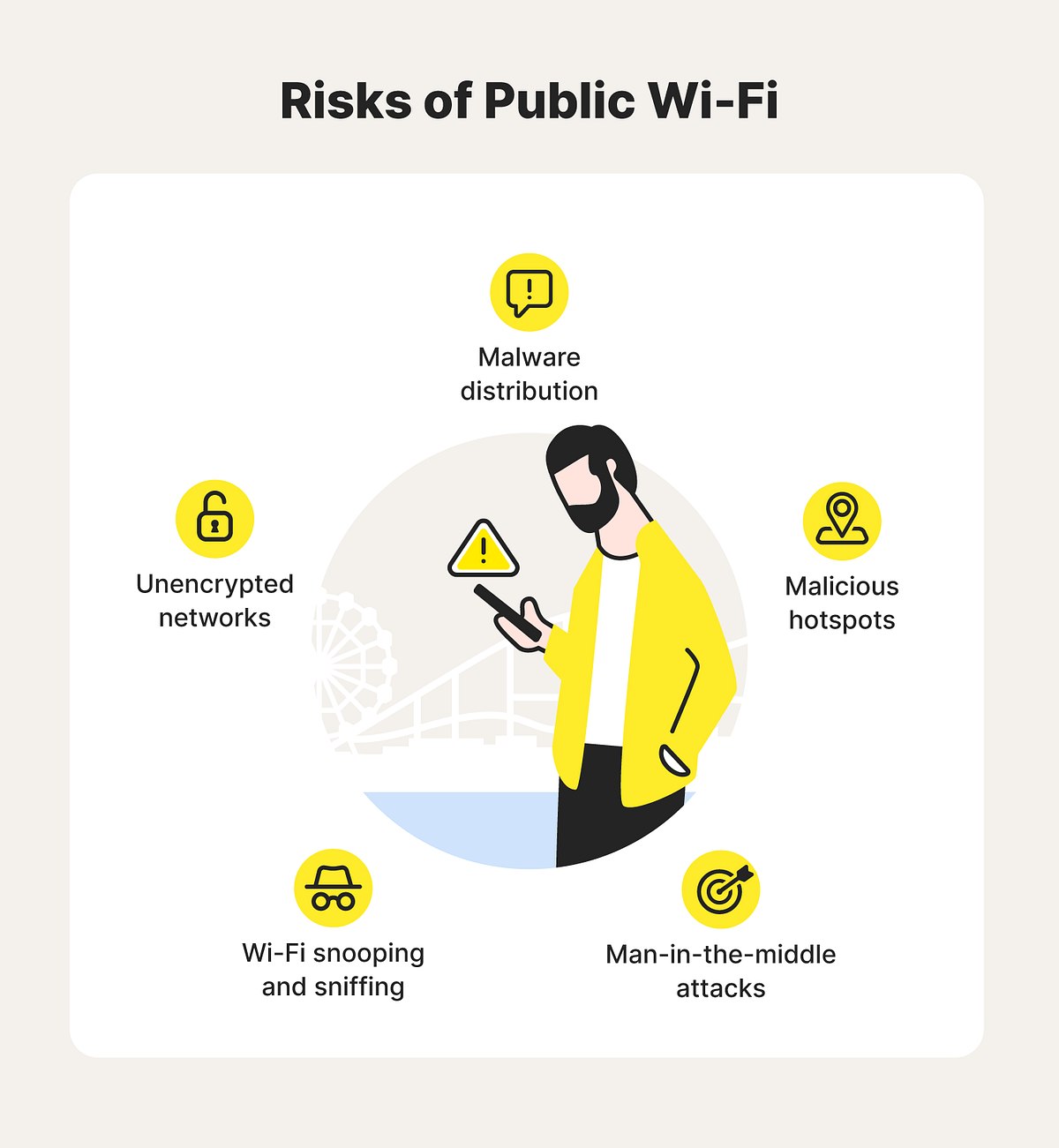
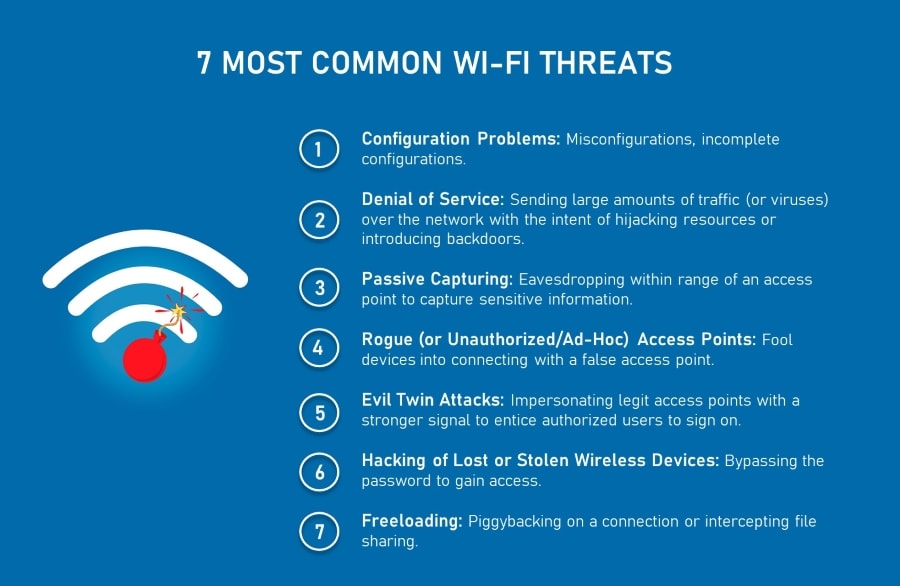
When you leave your WiFi network unsecured, you're putting yourself at risk of cyber attacks, data theft, and identity fraud. Neighbors can use your network to gain unauthorized access to your devices, steal your personal data, and even use it as a hub for malicious activities. Moreover, an unsecured network can slow down your internet speeds and cause frustration when you're trying to stream your favorite shows or work from home.
How to Protect Your WiFi Network from Neighborhood Devices
Protecting your WiFi network from neighborhood devices requires some effort, but it's essential for maintaining your online security. Here are some tips to help you secure your connection:
- Change Your WiFi Password Regularly: Use a strong and unique password that's difficult to guess. Change it every 60 to 90 days to prevent unauthorized access.
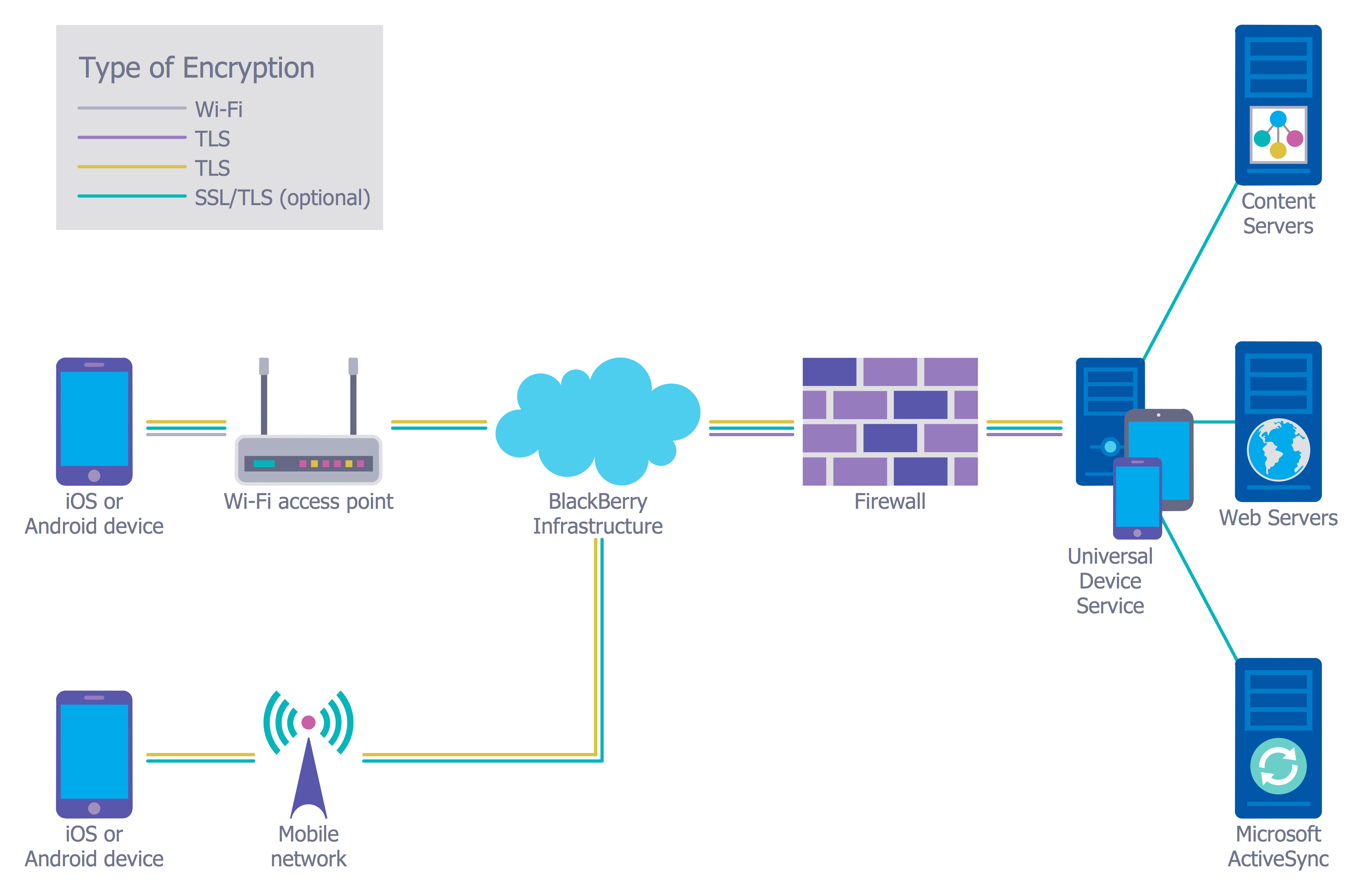
- Use WPA2 (or WPA3) Encryption: Ensure your router supports WPA2 (or WPA3, if available) encryption to protect your data from being intercepted.
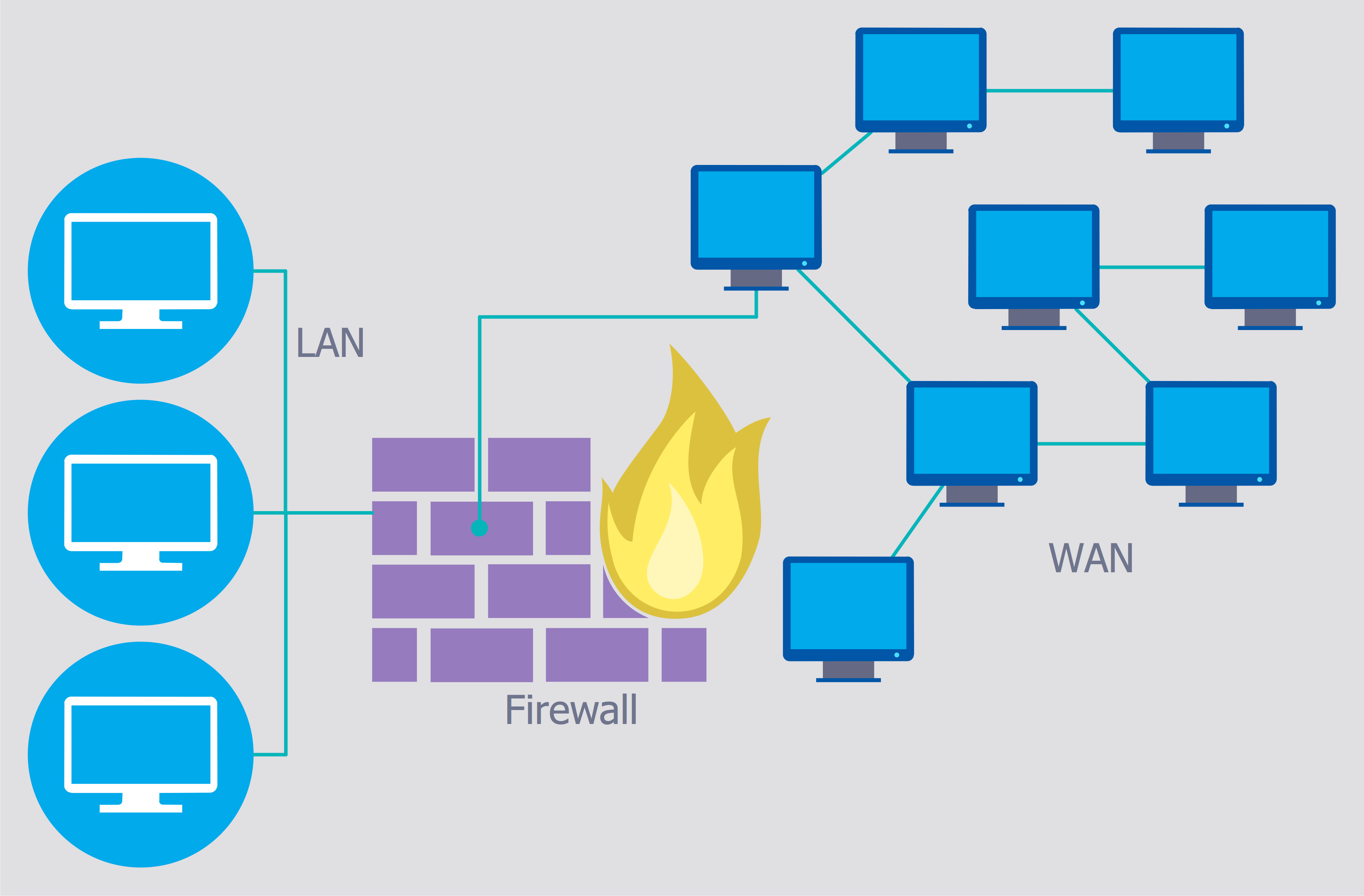
- Enable Firewall Protection: Activate the firewall on your router and devices to block unauthorized access and suspicious activity.
- Install Antivirus Software: Protect your devices from malware and viruses by installing reputable antivirus software.
- Monitor Your Network: Use monitoring tools to detect any unauthorized devices connected to your network and take action accordingly.
- Create a Guest Profile: Set up a separate guest network profile for visitors to prevent them from accessing your main network.
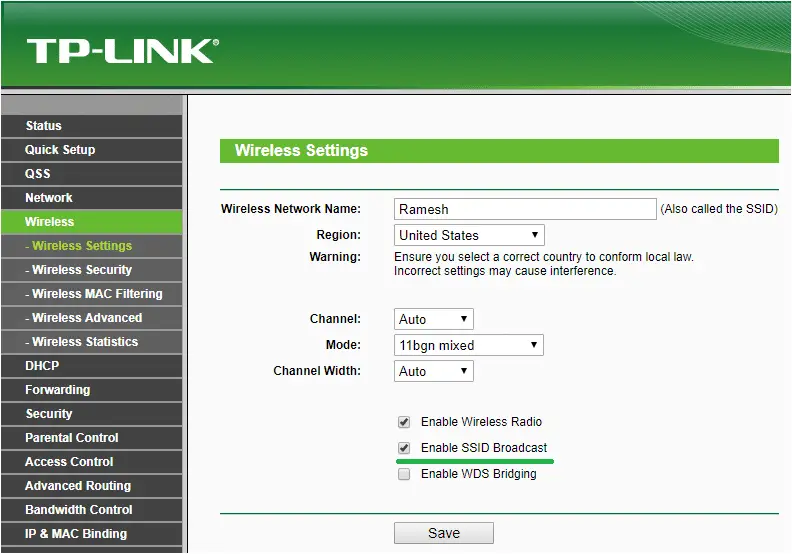
- Rename and Protect Your Wireless Access Point: Rename your wireless access point and ensure it has a strong password to prevent unauthorized access.
- Block Wi-Fi Signals from Neighbors: Use your router's settings to block Wi-Fi signals from neighboring devices, reducing interference and boosting your connection quality.
Additional Tips to Secure Your WiFi Network

In addition to the above tips, here are some more suggestions to help you secure your WiFi network:
- Use a VPN (Virtual Private Network): Consider using a VPN to encrypt your internet traffic and protect your data from hackers.
- Keep Your Router's Firmware Up-to-Date: Regularly update your router's firmware to ensure you have the latest security patches and features.
- Disable Remote Access: Disable remote access to your router to prevent hackers from accessing your network remotely.
- Use a Network Segmenter: Use a network segmenter to isolate sensitive data and systems from general traffic.
Conclusion
Protecting your WiFi network from neighborhood devices is crucial for maintaining your online security and preventing unauthorized access. By following the tips outlined in this article, you can ensure your network is secure, fast, and reliable. Remember to stay vigilant and regularly monitor your network for any suspicious activity. With these tips, you can enjoy a secure and private WiFi connection, free from neighborhood devices.
Final Thoughts
Don't wait until it's too late to protect your WiFi network. Take the necessary steps to secure your connection today and enjoy a worry-free online experience. Remember, a secure WiFi network is a safe WiFi network!