How to Secure Your Online Banking: Best Practices and Tips
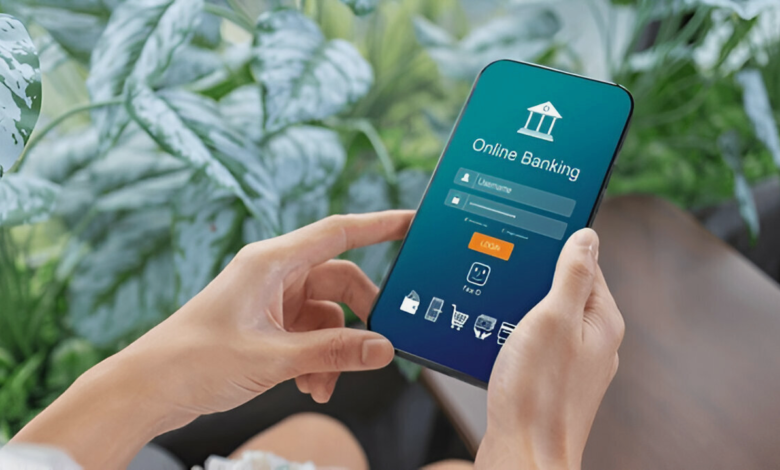
With the rise of online banking, it's easier than ever to manage your finances from the comfort of your own home. However, this convenience also comes with a risk - the risk of cyber threats and online banking scams. In this article, we'll provide you with the latest tips and best practices on how to secure your online banking accounts and protect your sensitive financial information.
Choose a Strong and Unique Password
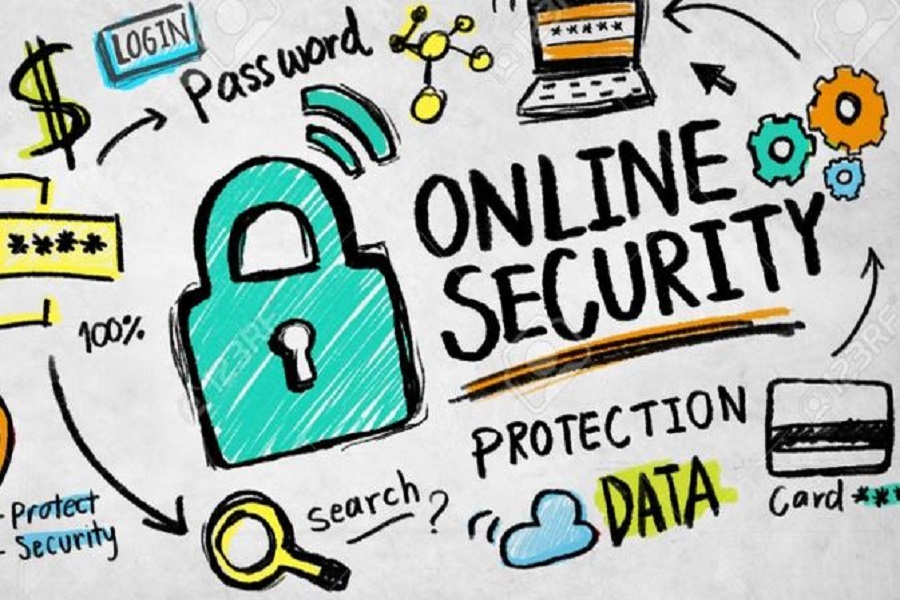
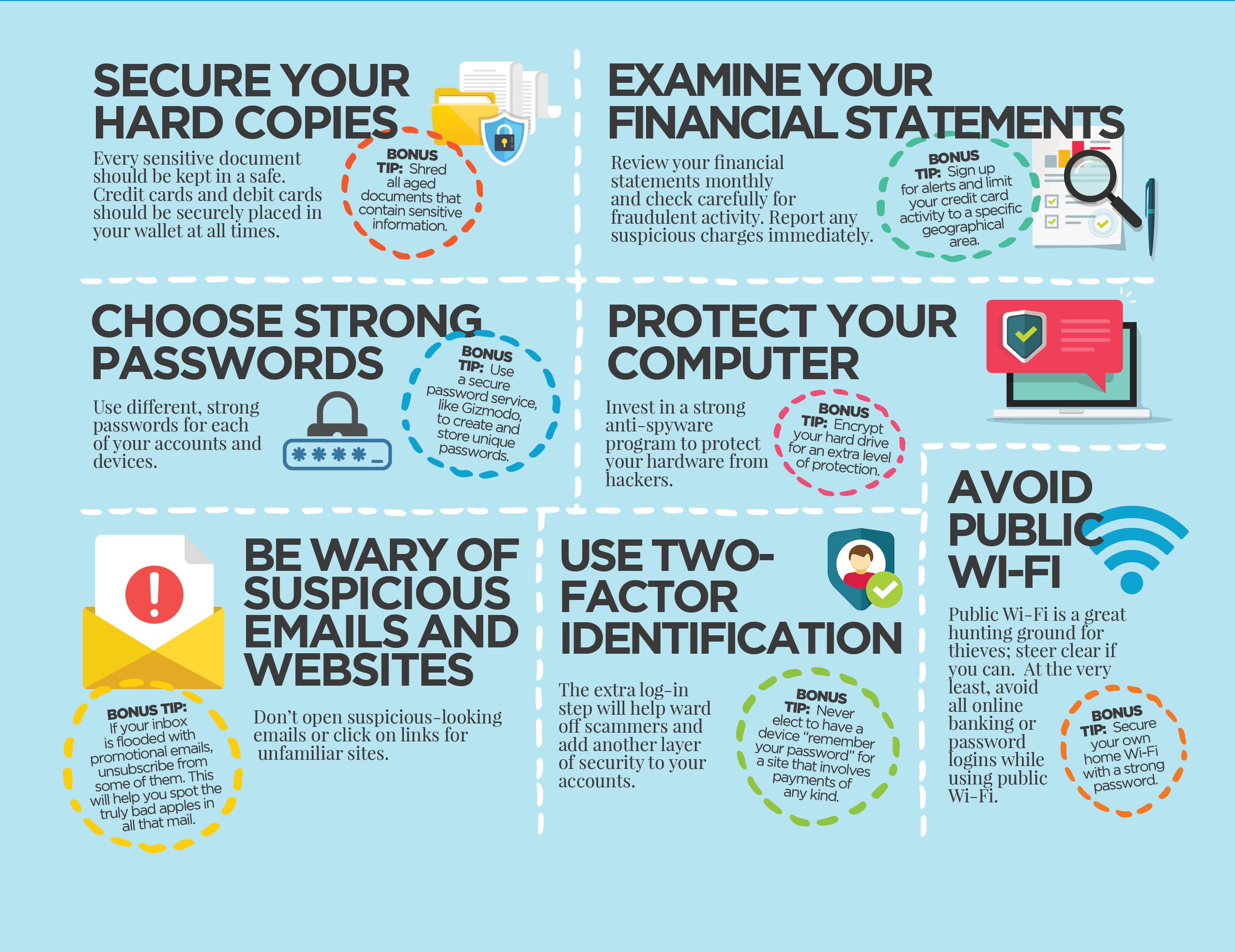
One of the most effective ways to secure your online banking is to use a strong and unique password. Avoid using easily guessable information such as your name, birthdate, or common words. Instead, use a combination of letters, numbers, and special characters. It's also essential to change your password regularly and avoid using the same password for multiple accounts.
Enable Two-Factor Authentication
Two-factor authentication adds an extra layer of security to your online banking account. This additional step requires you to enter a code sent to your phone or email in addition to your password. This makes it much harder for cyber criminals to access your account, even if they have your password. Look for banks that offer two-factor authentication and make sure you enable it on your account.
Use a Virtual Private Network (VPN)
When accessing your online banking account, it's essential to use a virtual private network (VPN). A VPN encrypts your internet connection and ensures that your data is secure, even when using public Wi-Fi. This is especially important when accessing your online banking account on public Wi-Fi networks, such as those found in coffee shops or airports.
Keep Your Device and Antivirus Software Up to Date
Ensuring that your device and antivirus software are up to date is crucial to protecting your online banking account. Regular updates often include patches for security vulnerabilities that could be exploited by cybercriminals. Make sure to keep your device's operating system, browser, and antivirus software updated to stay safe.
Use Authenticator Apps
Authenticator apps, such as Google Authenticator or Authy, provide an additional layer of security to your online banking account. These apps generate a code that changes every 30 seconds, making it unnecessary to enter a code sent to your phone or email. This adds an extra layer of security to your account and makes it more difficult for cybercriminals to gain access.

Be Cautious of Phishing Scams
Phishing scams are a common way for cybercriminals to steal sensitive information. Be cautious of emails or messages that ask you to enter your login credentials or provide sensitive information. Legitimate banks will never ask you to confirm your account information via email or phone. Look for spelling and grammar mistakes, as well as generic greetings. If you're unsure, contact your bank directly to verify the authenticity of the message.
Set Up Alerts and Notifications
Setting up alerts and notifications can help you quickly identify suspicious activity on your account. Look for unusual transactions, large withdrawals, or unexpected login attempts from unfamiliar devices. This can help you identify potential security breaches and take action quickly.
Conduct Regular Security Checks
Conducting regular security checks can help you identify potential security vulnerabilities on your online banking account. Look for any unfamiliar devices, unusual login attempts, or large transactions. If you notice anything suspicious, contact your bank immediately.
Online Banking Security Tips
- Use a strong and unique password for each account
- Enable two-factor authentication
- Use a virtual private network (VPN)
- Keep your device and antivirus software up to date
- Use authenticator apps
- Be cautious of phishing scams
- Set up alerts and notifications
- Conduct regular security checks
Conclusion
Securing your online banking account is crucial to protecting your sensitive financial information. By following these best practices and tips, you can significantly reduce the risk of cyber threats and online banking scams. Remember to use a strong and unique password, enable two-factor authentication, and keep your device and antivirus software up to date. Stay informed and vigilant, and you'll be well on your way to securing your online banking account.


![Online Banking Security: 10 Tips From a Tech Expert [2026]](https://thereviewhive.blog/wp-content/uploads/2024/11/Untitled-850-x-450-px-850-x-450-px.png "Online Banking Security: 10 Tips From a Tech Expert [2026]")