How to Protect Your Online Accounts from Password Hacking
With the rise of online activities, protecting your digital life has become more crucial than ever. One of the most effective ways to safeguard your personal information is by securing your online accounts with strong passwords. In this article, we will explore the critical steps to protect your online accounts from password hacking, and provide you with actionable tips to keep your digital life safe.
The Risks of Password Hacking
According to a study by the University of Maryland, hackers attack every 39 seconds. Your personal information is valuable, and hackers and scammers will try to steal it. Phishing, malware, and data leaks are some of the common tactics used by hackers to compromise your online accounts.
Common Password Hacking Tactics
Phishing
Hackers use email or text messages to try to steal your passwords, account numbers, or Social Security numbers.Malware
Malware can be used to steal your passwords or gain unauthorized access to your computer or device.Data Leaks
Data leaks occur when hackers gain access to your personal information through online breaches or compromised data storage.
How to Protect Your Online Accounts from Password Hacking
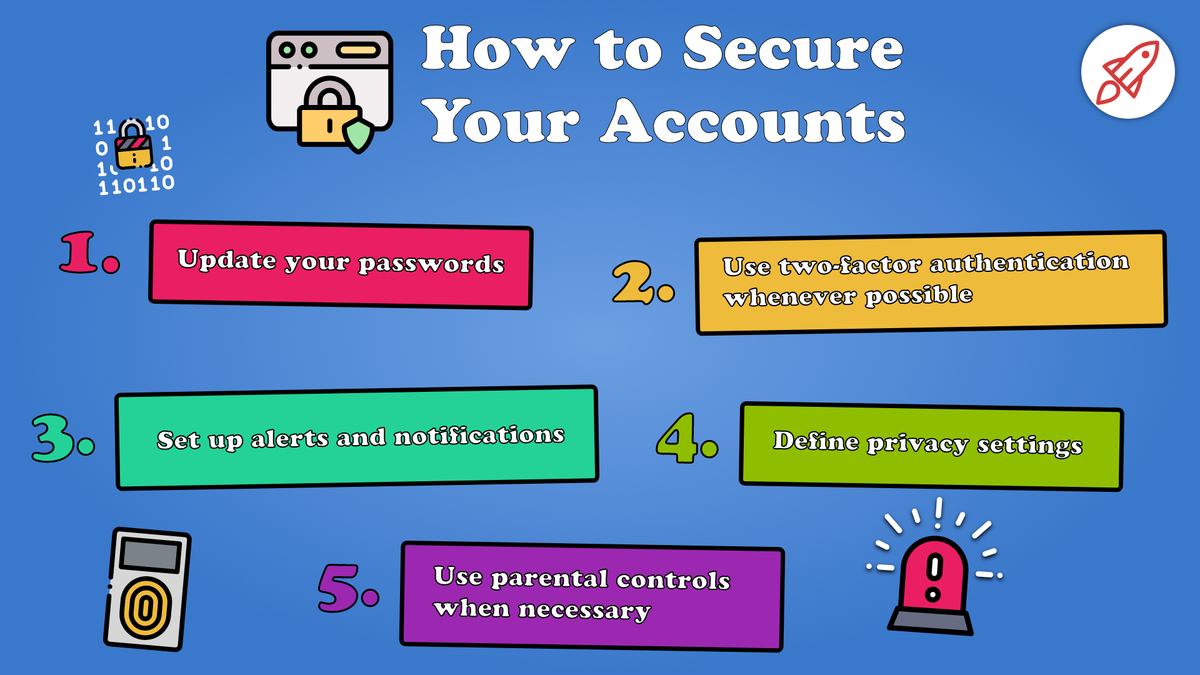
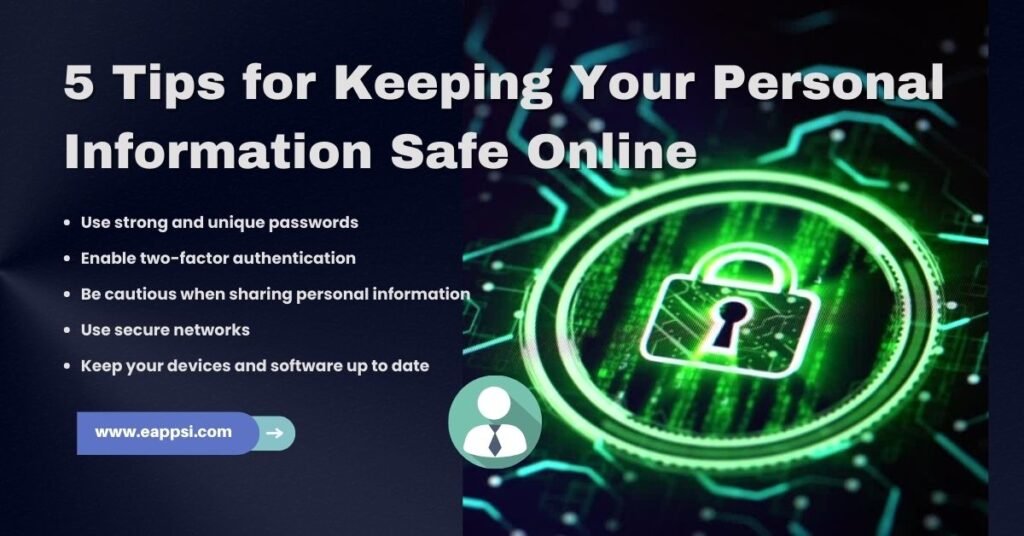
Protecting your online accounts from password hacking requires a multi-layered approach. Here are some tips to help you keep your digital life safe:
1. Use Strong and Unique Passwords
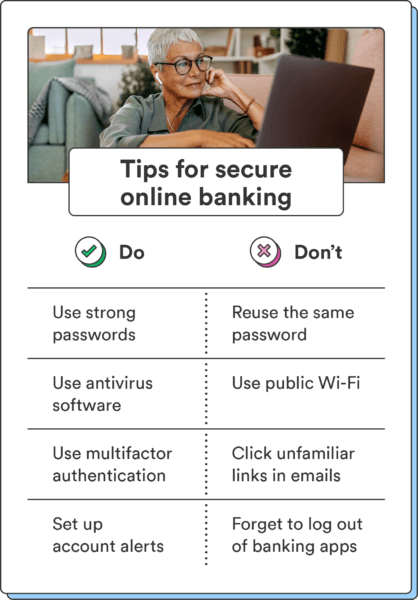
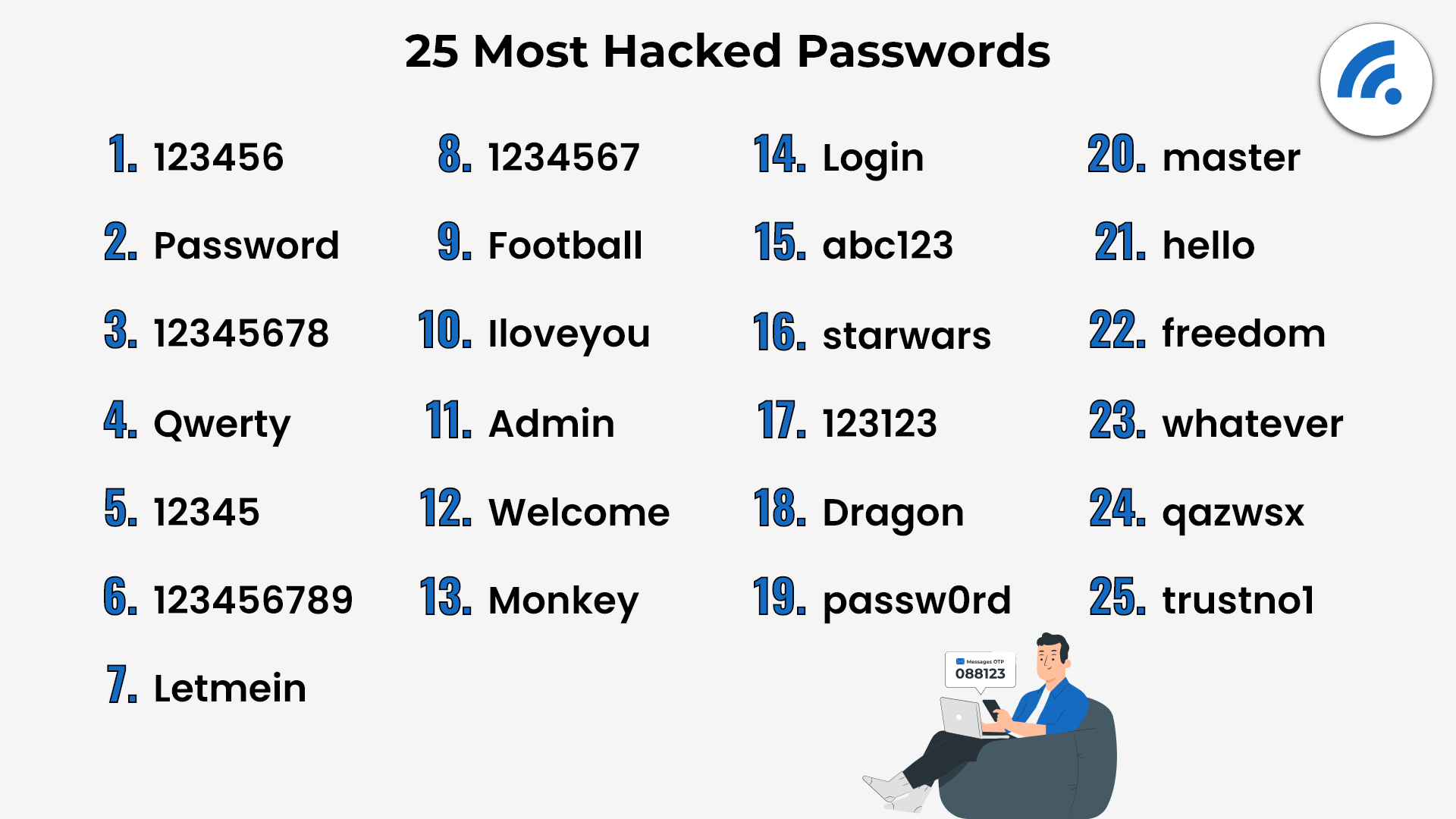
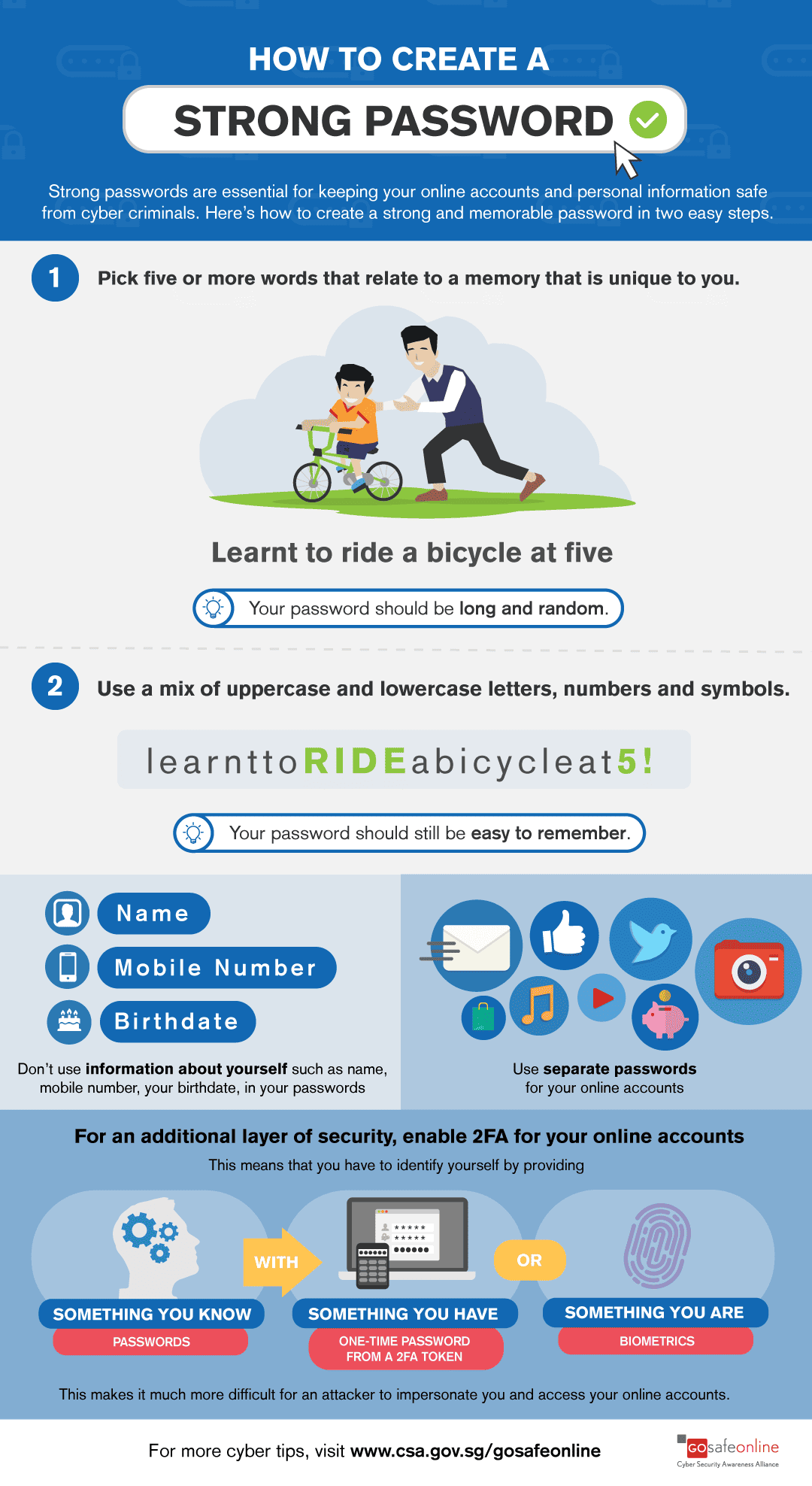
Weak or reused passwords can put your personal information at risk. Use a password generator to create strong, unique passwords for each of your online accounts.
2. Enable Two-Factor Authentication
Two-factor authentication adds an extra layer of security to your online accounts, making it difficult for hackers to gain access even if they have your login credentials.

3. Use a Password Manager
A password manager can help you keep track of your passwords securely. Look for a reputable password manager that offers two-factor authentication and encryption.
4. Monitor Your Account Activity
Regularly monitor your account activity to detect any suspicious behavior. Set up alerts for any changes to your account settings or login attempts.
5. Use a VPN
A VPN can help protect your online activity from hackers and cyber threats. Look for a reputable VPN provider that offers encryption and two-factor authentication.
Conclusion
Protecting your online accounts from password hacking requires a proactive approach. By using strong and unique passwords, enabling two-factor authentication, using a password manager, monitoring your account activity, and using a VPN, you can significantly reduce the risk of password hacking. Remember, your personal information is valuable, and taking steps to protect it is essential to keeping your digital life safe.
Resources
For more information on how to protect your online accounts from password hacking, visit:
- Bitwarden - A password manager that offers two-factor authentication and encryption.
- Cybernews - A cybersecurity news website that provides tips and resources on how to protect your online accounts.
- Microsoft - A technology company that offers a range of resources and tools to help you protect your online accounts.