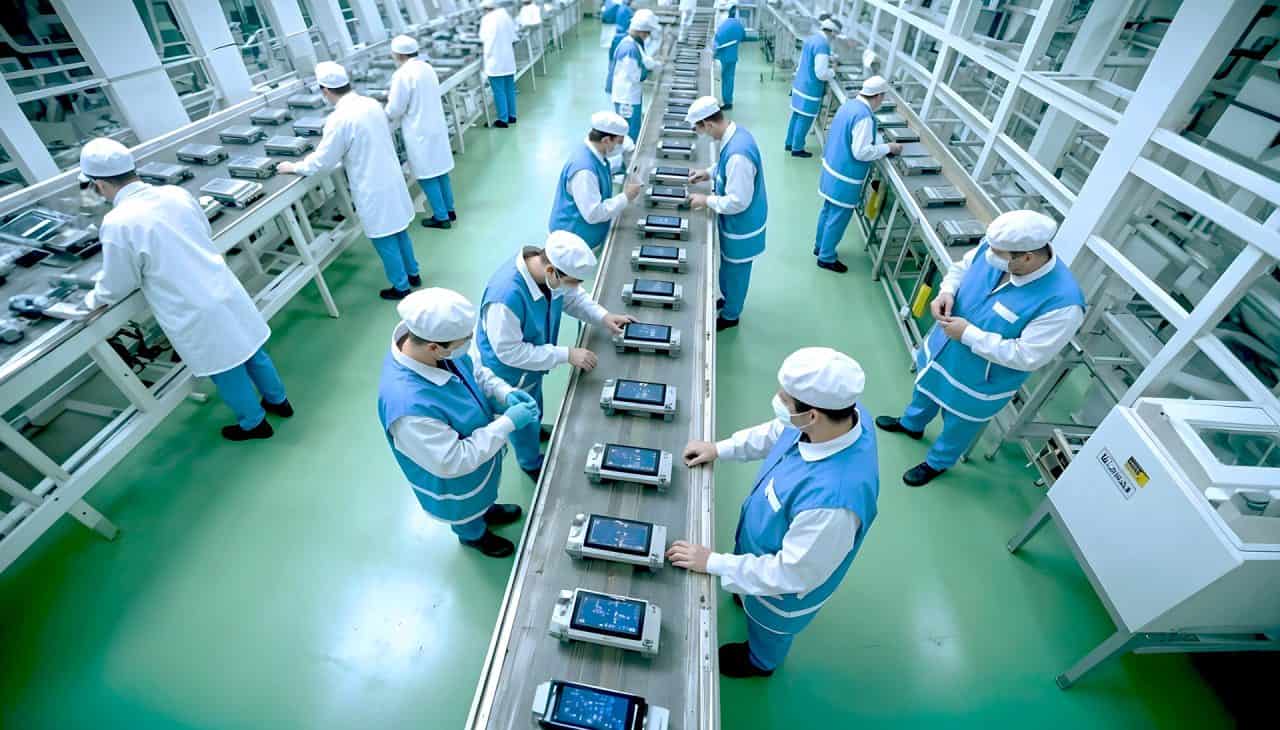
Computer Vision Safety: Enhancing Workplace Safety with AI-Powered Technology
Ensuring a safe working environment is a top priority for any organization. In recent years, computer vision technology has emerged as a game-changer in the realm of workplace safety. By leveraging artificial intelligence (AI) and machine learning algorithms, computer vision systems can analyze video feeds in real-time, identifying potential hazards and risks before they escalate into accidents. In this article, we'll explore the importance of computer vision safety, its applications, and the benefits it brings to workplaces.
The Rise of Computer Vision Safety
Computer vision technology is transforming how industries approach workplace safety. By combining AI algorithms with CCTV cameras, it enables systems to interpret and analyze images and video in real-time. This proactive approach to safety not only enhances the safety culture within an organization but also reduces the risk of accidents and injuries. With computer vision safety solutions, organizations can move from a reactive approach to a proactive one, addressing risks before they become incidents.
Applications of Computer Vision Safety
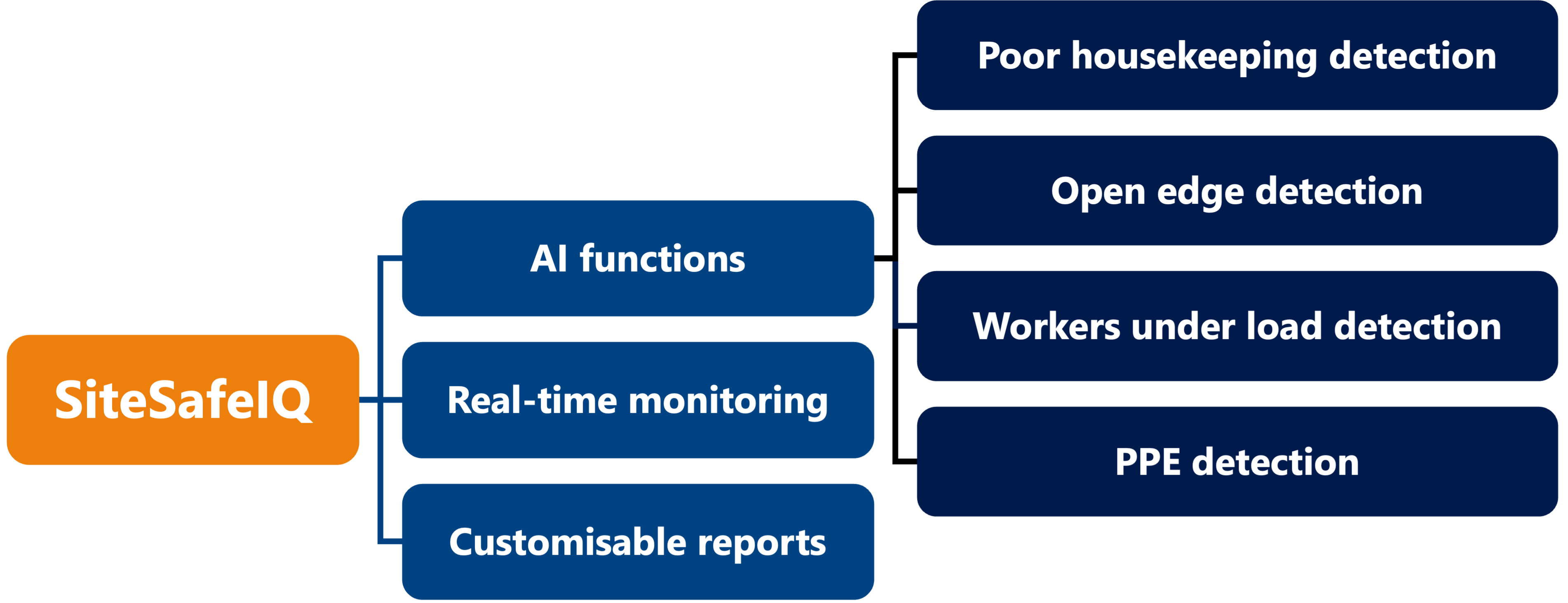
- Hazard Detection**: Computer vision systems can identify potential hazards such as working at height, active machinery, or potential slip or trip hazards.
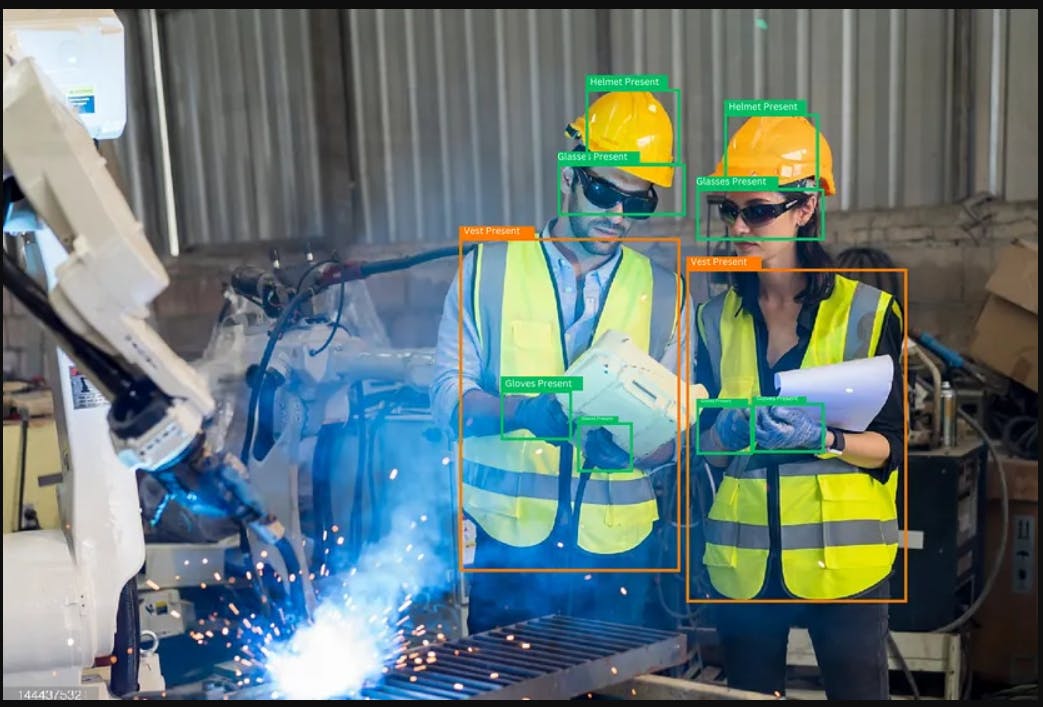
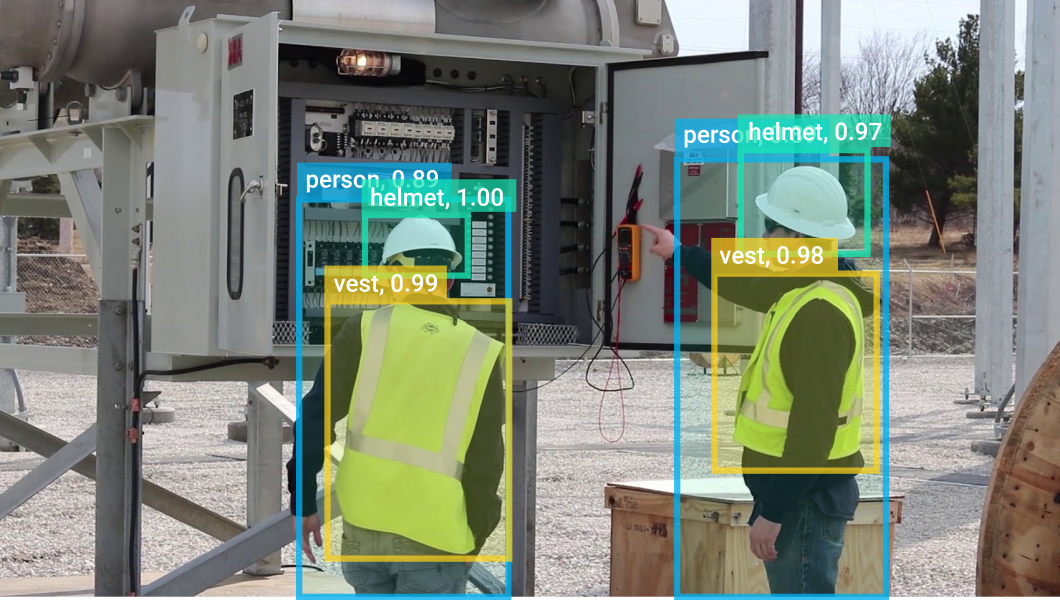
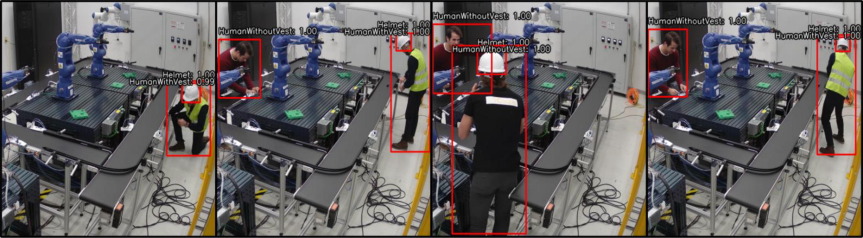
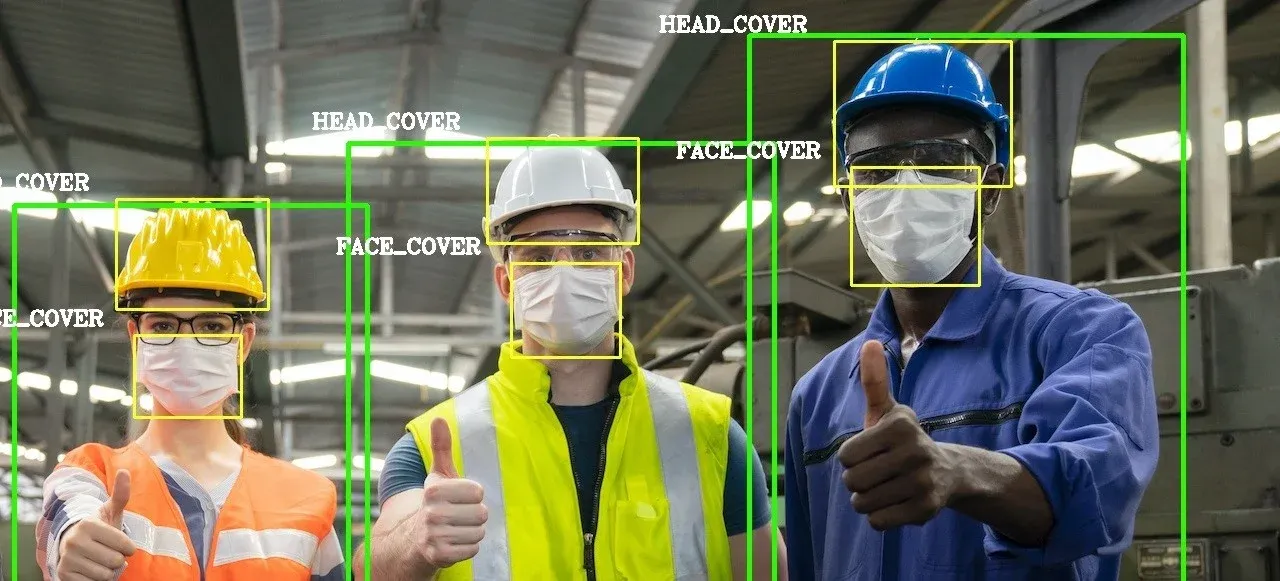
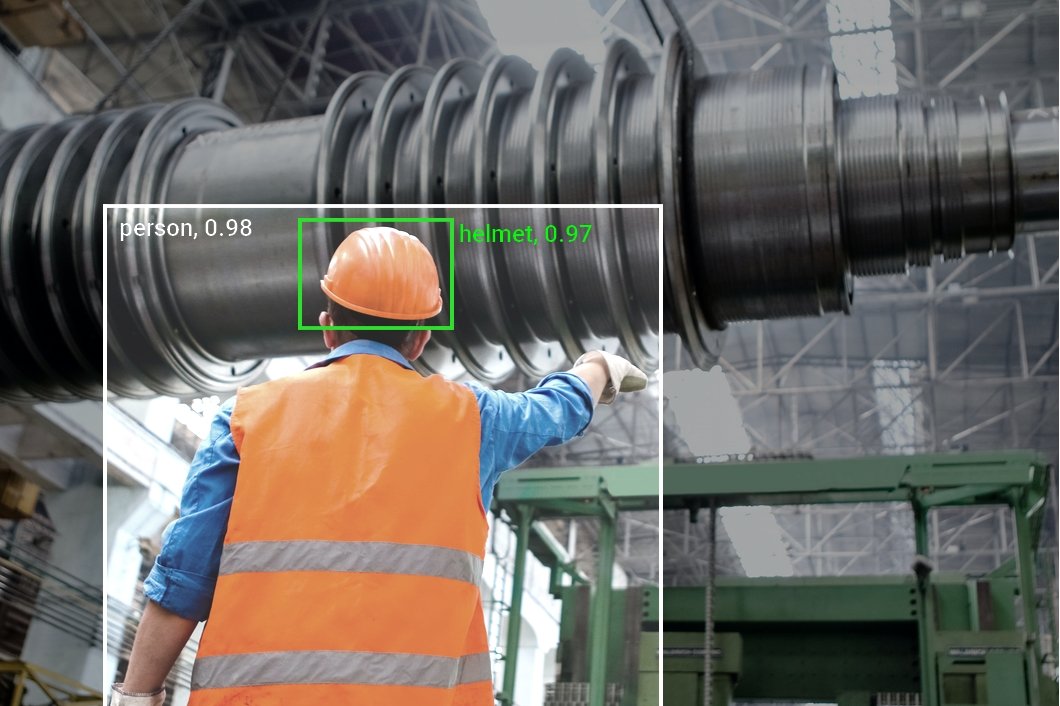
- Personal Protective Equipment (PPE) Monitoring**: Computer vision can track the use of PPE, ensuring that workers are wearing required safety gear.
- Fatigue and Substance Impairment Detection**: Computer vision can detect signs of fatigue or substance impairment, helping to prevent accidents.
- Slip-Risk Identification**: Computer vision can identify potential slip risks, such as wet or oily floors.
- Perimeter Zone Monitoring**: Computer vision can monitor restricted equipment areas, ensuring that only authorized personnel access these areas.
Benefits of Computer Vision Safety
The benefits of computer vision safety are numerous and significant. By leveraging AI-powered technology, organizations can:
- Reduce Accidents and Injuries**: Computer vision safety systems can detect potential hazards and risks before they escalate into accidents.
- Enhance Safety Culture**: Computer vision safety solutions promote a proactive approach to safety, encouraging a stronger safety culture within an organization.
- Improve Productivity**: By reducing the risk of accidents and injuries, computer vision safety systems can improve productivity and efficiency within an organization.
- Enhance Compliance**: Computer vision safety systems can help organizations comply with regulatory requirements and industry standards.
Real-World Applications
Computer vision safety technology is being applied in various industries, including:
- Manufacturing**: Computer vision safety systems are being used to monitor production lines, detect potential hazards, and prevent accidents.
- Construction**: Computer vision safety systems are being used to monitor construction sites, detect potential hazards, and prevent accidents.
- Healthcare**: Computer vision safety systems are being used to monitor patient safety, detect potential hazards, and prevent accidents.
Conclusion
Computer vision safety technology is revolutionizing the way organizations approach workplace safety. By leveraging AI-powered technology, organizations can reduce accidents and injuries, enhance safety culture, improve productivity, and enhance compliance. As the technology continues to evolve, we can expect to see even more innovative applications of computer vision safety in various industries.
References
For more information on computer vision safety, please refer to the following resources:
- CompScience**: Top five use cases for computer vision safety.
- Aurora Vision Studio**: Image processing software for machine and computer vision engineers.
- NVIDIA Vera CPU**: Highest performance and energy efficiency for data processing, AI training, and agent inference at scale.