Unlock the Secrets to a Restful Night's Sleep: Mastering Sleeping Techniques for Better Tomorrow
Sleep is an essential aspect of our daily lives, and it plays a crucial role in maintaining our overall health and well-being. When we sleep, our bodies repair and rejuvenate themselves, allowing us to feel refreshed and energized for the next day. However, many of us struggle to fall asleep, and it's not just a matter of duration – getting quality sleep is just as important as getting decent sleep duration. In this article, we'll delve into various sleep techniques that can help you fall asleep faster and enjoy deeper, more restful sleep, so you can wake up feeling refreshed and ready to take on the day.
Understanding the Importance of Sleep Hygiene
Sleep hygiene is not just about getting a certain number of hours of sleep each night; it's about creating healthy habits that promote a restful and rejuvenating sleep environment. Implementing good sleep hygiene can significantly improve sleep quality, and here are some relaxing techniques to help you achieve a better night's sleep:
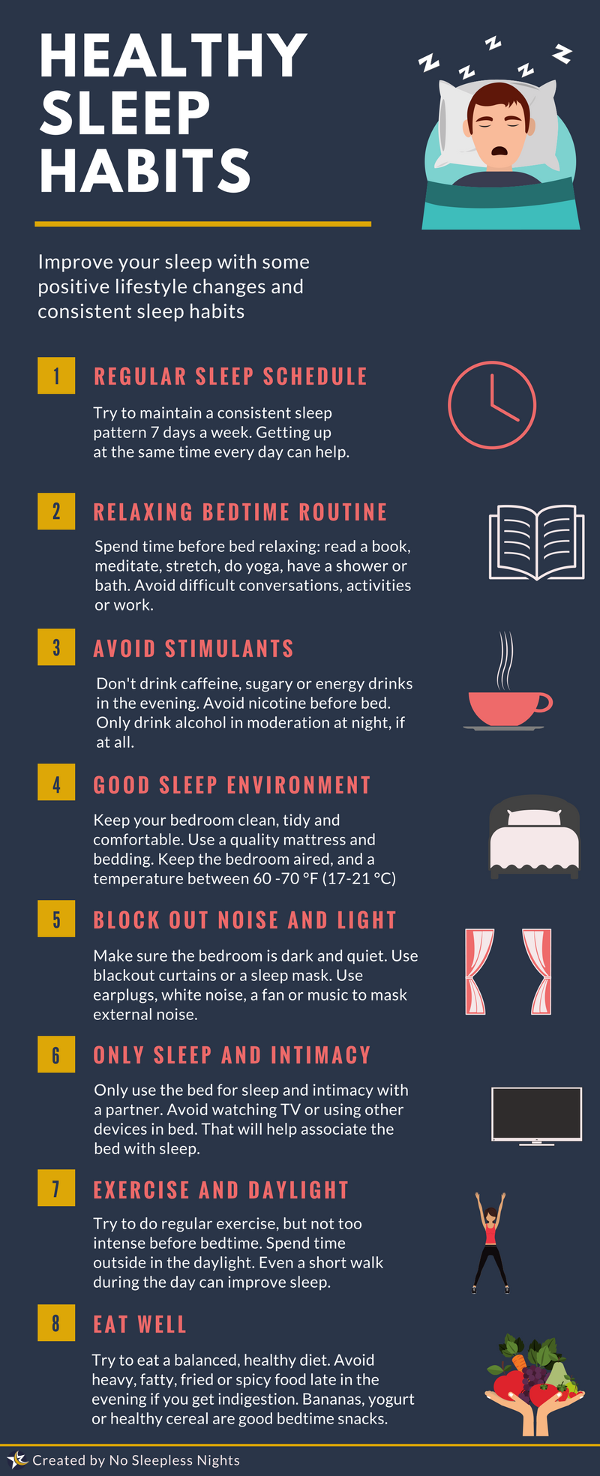
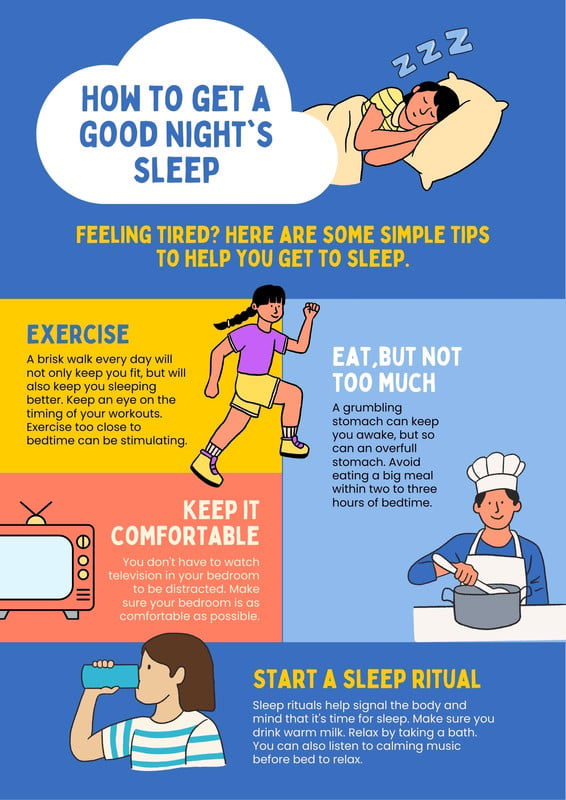
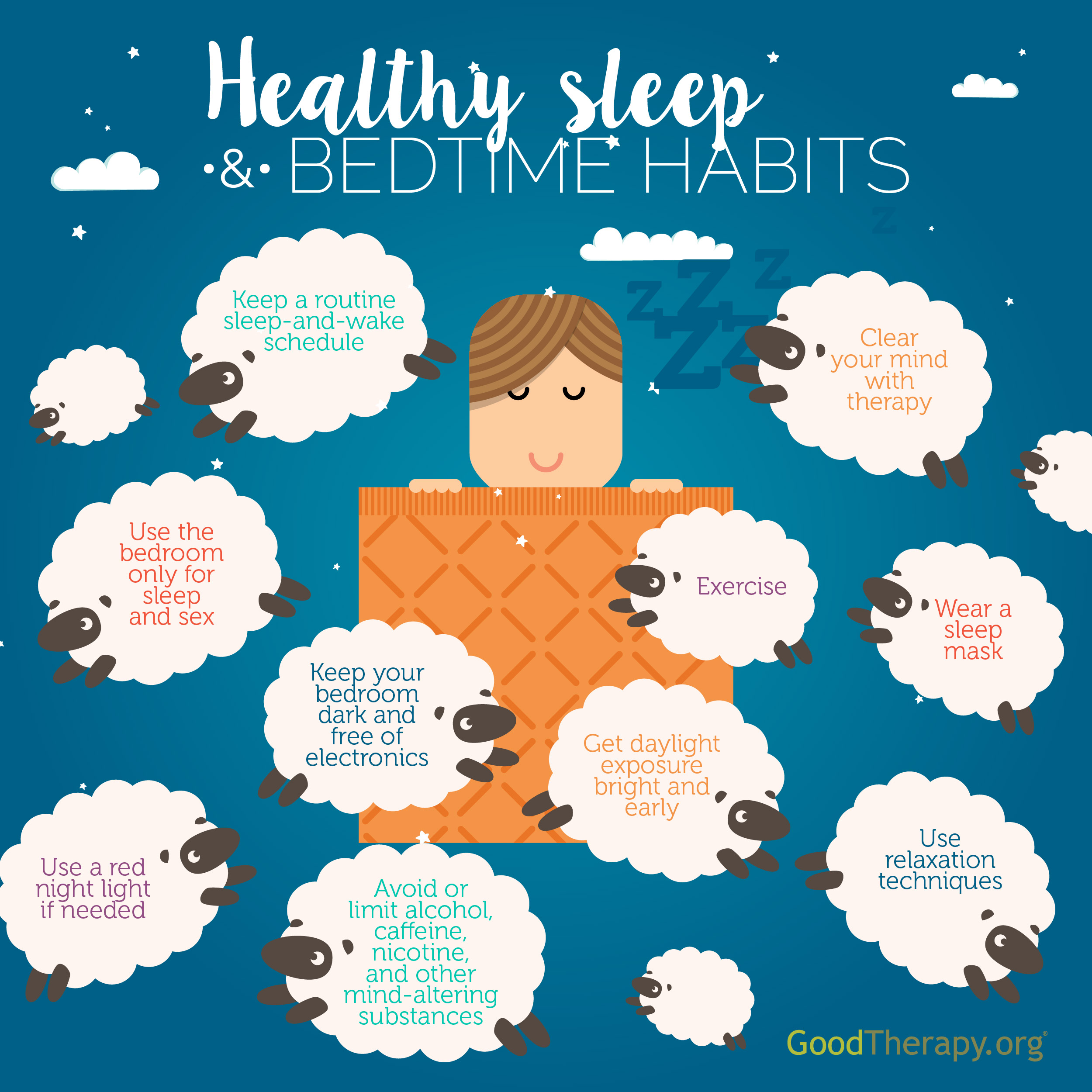
- Stick to a Consistent Sleep Schedule: Going to bed and waking up at the same time each day, including weekends, helps regulate your body's internal clock and can improve sleep quality.
- Create a Bedtime Routine: Develop a calming pre-sleep routine, such as reading a book, taking a warm bath, or practicing gentle stretches, to signal to your brain that it's time to sleep.
- Optimize Your Sleep Environment: Make your bedroom a sleep haven by ensuring it's dark, quiet, and at a comfortable temperature.
- Limit Exposure to Screens Before Bed: The blue light-emitting from screens can suppress melatonin production, making it harder to fall asleep.
Relaxation Techniques for a Good Night's Sleep
Relaxation techniques can help calm your mind and body, making it easier to fall asleep. Here are a few techniques to try:

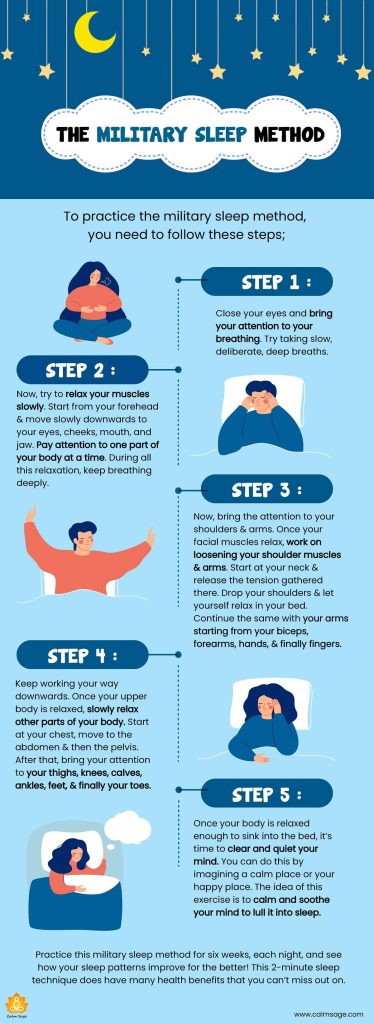
- Progressive Muscle Relaxation: Tense and then relax different muscle groups in your body, starting from your toes and moving up to your head.
- Meditation for Sleep: Practice mindfulness and meditation techniques to calm your mind and reduce stress.
- Breathing Techniques: Focus on slow, deep breathing to calm your nervous system and induce sleep.
- Visualization: Imagine a peaceful, relaxing scene to help your mind and body unwind.
Supplements and Sleep Aids
While sleeping techniques can be beneficial, sometimes supplements and sleep aids can provide an extra boost. Here are a few options to consider:
- Melatonin: A hormone that regulates sleep-wake cycles, often taken as a supplement to help induce sleep.
- Valerian Root: A natural herb that can promote relaxation and improve sleep quality.
- White Noise Machines: Devices that produce soothing sounds to help mask background noise and promote sleep.
Conclusion
Getting a good night's sleep is not just about laying down and closing your eyes – it's about creating a sleep-conducive environment, adopting healthy habits, and utilizing relaxation techniques to induce a restful slumber. By mastering these sleeping techniques and incorporating them into your daily routine, you'll wake up feeling refreshed, rejuvenated, and ready to tackle the challenges of the day. So, take back control of your sleep and start unlocking the secrets to a restful night's sleep tonight!