Trying to Get Pregnant with PCOS: A Comprehensive Guide
Polycystic ovary syndrome (PCOS) is a hormonal disorder that affects 1 in 10 women of reproductive age, making it one of the most common causes of ovulatory infertility. While trying to get pregnant with PCOS can be challenging, the right combination of medical treatment and lifestyle strategies can help many women achieve a healthy pregnancy.
Understanding PCOS and Fertility
PCOS is a complex hormonal disorder that affects the ovaries, leading to irregular periods, hormone imbalances, and infertility. Women with PCOS may experience difficulty ovulating, which can make it harder to get pregnant. However, with the right approach, it is still possible to conceive and have a healthy pregnancy.
Causes and Symptoms of PCOS
Irregular periods or prolonged menstrual cycles
Polycystic ovaries, which appear as a cluster of small cysts on the ovaries
Weight gain or obesity
High levels of androgens (male hormones)
Acne, excess hair growth, or male pattern baldness
Trying to Get Pregnant with PCOS: Strategies and Tips
While trying to get pregnant with PCOS can be challenging, lifestyle modifications and medical treatments can significantly improve the chances of conception. Some of the most effective strategies include:
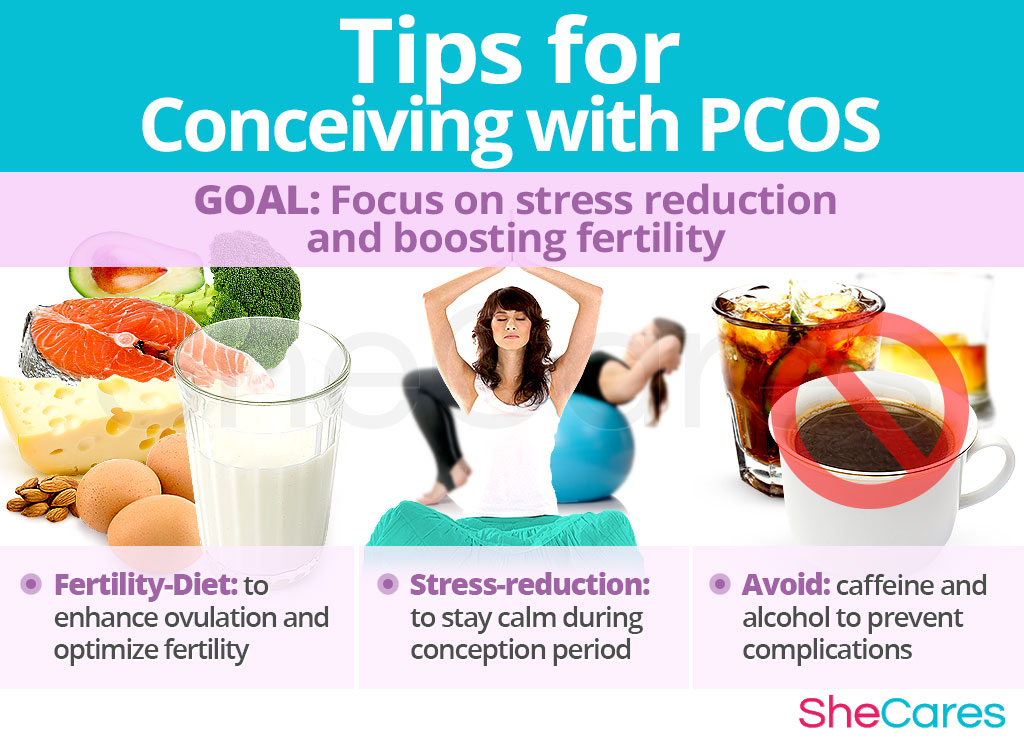
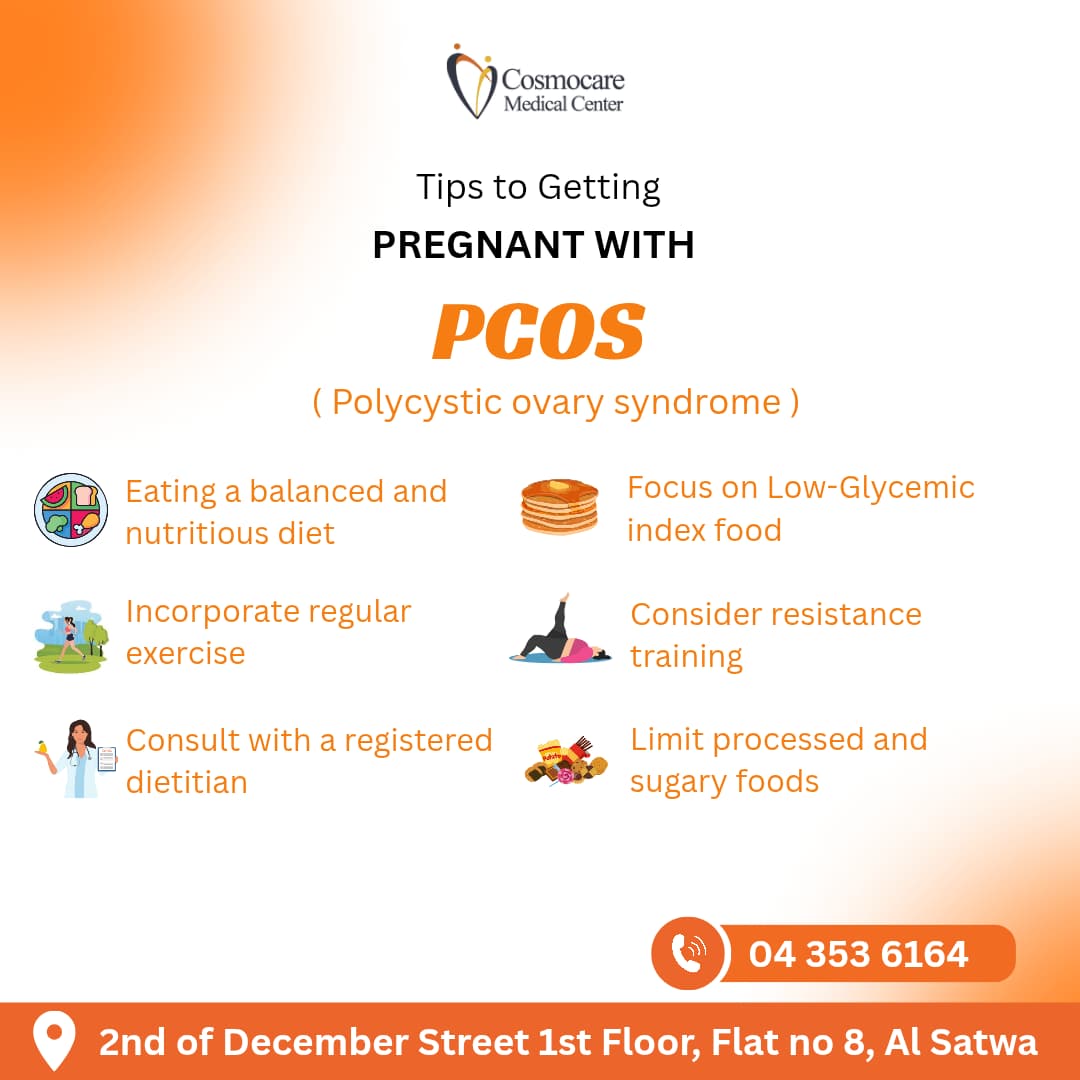
Maintaining a healthy weight through regular exercise and a balanced diet
Practicing good sleep hygiene and managing stress levels
Engaging in regular physical activity, such as yoga or Pilates
Monitoring ovulation through fertility tracking apps or tools
Considering fertility medications, such as clomiphene or letrozole
Seeking guidance from a fertility specialist or healthcare provider

Lifestyle Changes for PCOS Management
Managing PCOS requires a holistic approach that incorporates lifestyle changes, dietary modifications, and stress management techniques. Some of the most effective lifestyle changes include:
Following a balanced diet rich in fruits, vegetables, and whole grains
Reducing sugar and refined carbohydrates intake
Staying hydrated and avoiding excessive salt consumption
Engaging in regular physical activity and stress-reducing exercises
Getting enough sleep and practicing relaxation techniques, such as meditation or deep breathing
Medical Treatments for PCOS
Medical treatments for PCOS aim to restore ovulation, regulate hormones, and improve fertility. Some of the most common treatments include:
Clomiphene citrate, a medication that stimulates ovulation and hormone production
Letrozole, a medication that regulates hormone production and ovulation
In vitro fertilization (IVF), a surgical procedure that involves fertilizing eggs outside the body
Injectable fertility medications, such as FSH or HCG
Conclusion
While trying to get pregnant with PCOS can be challenging, it is not impossible. By incorporating lifestyle modifications, dietary changes, and medical treatments, many women with PCOS can overcome fertility challenges and achieve a healthy pregnancy. If you are trying to get pregnant with PCOS, consult with a healthcare provider or fertility specialist to discuss the best approach for your specific needs and circumstances.