Malware Prevention Strategies for Small Business: Protecting Your Operations from Digital Threats
As a small business owner, you're likely aware of the ever-growing threat of cyber attacks. Malware, in particular, poses a significant risk to your operations, compromising sensitive data and disrupting business activities. In this article, we'll cover the essential malware prevention strategies for small businesses, helping you protect your digital assets and data from evolving digital threats.The Biggest Threats Faced by Small Businesses
Small businesses are increasingly vulnerable to cyber threats due to several factors:- Lack of resources and expertise to implement robust security measures
- Increasing reliance on technology and online operations
- Limited awareness and training among employees
- Insufficient cybersecurity investments
Why Prevention is Key
Prevention is the most effective strategy to protect your business from malware attacks. A multi-layered approach to security, including best practices, technologies, and employee awareness, can significantly reduce the risk of infection, data theft, and financial loss.8 Key Malware Prevention Strategies for Small Businesses
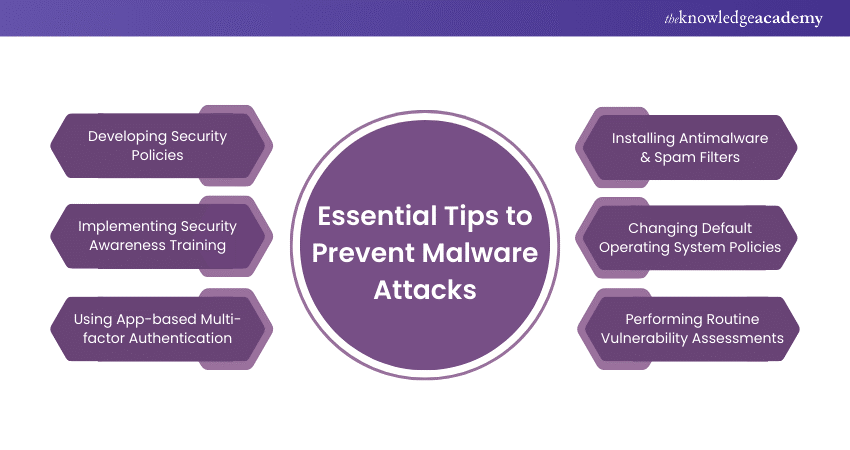
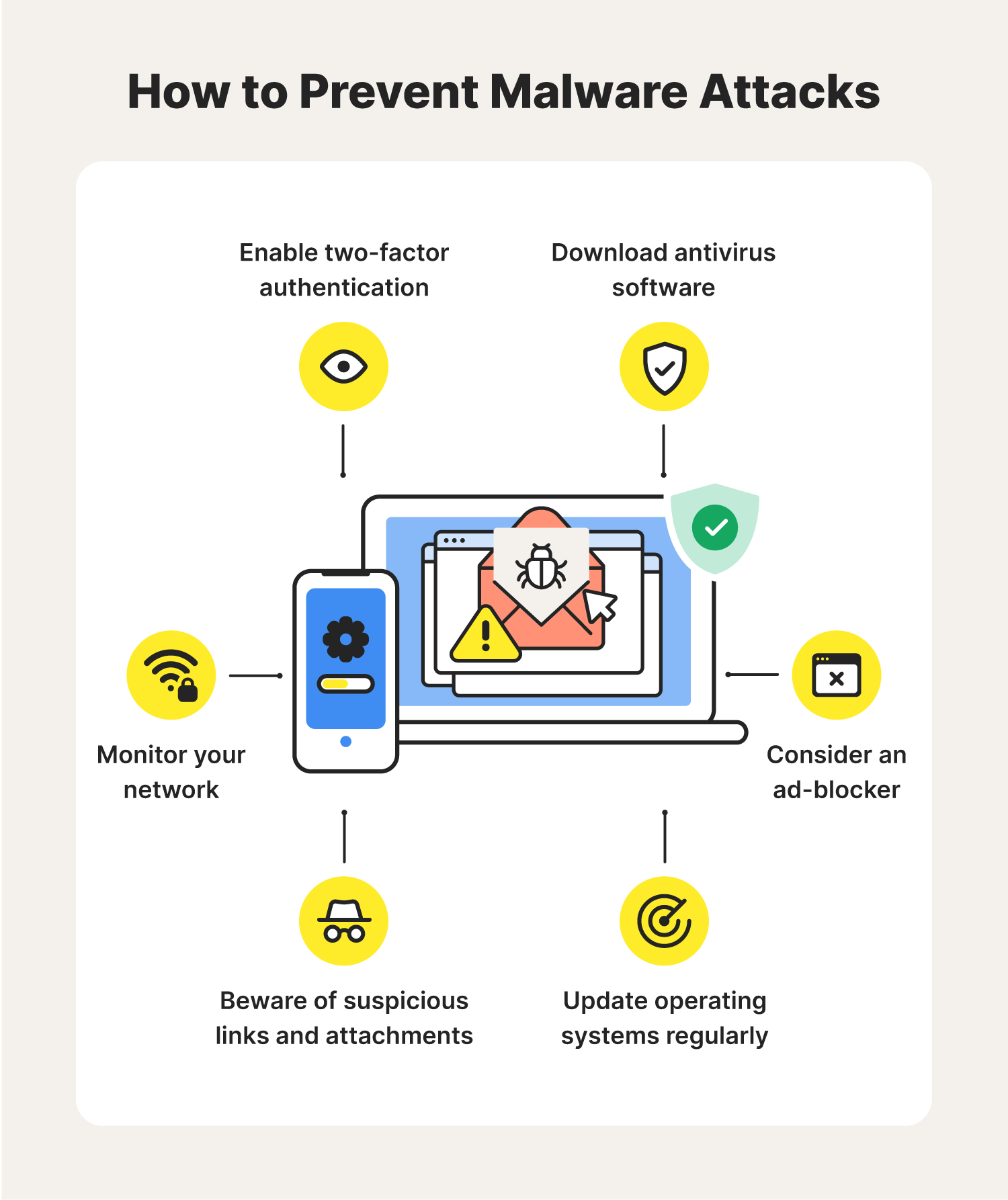
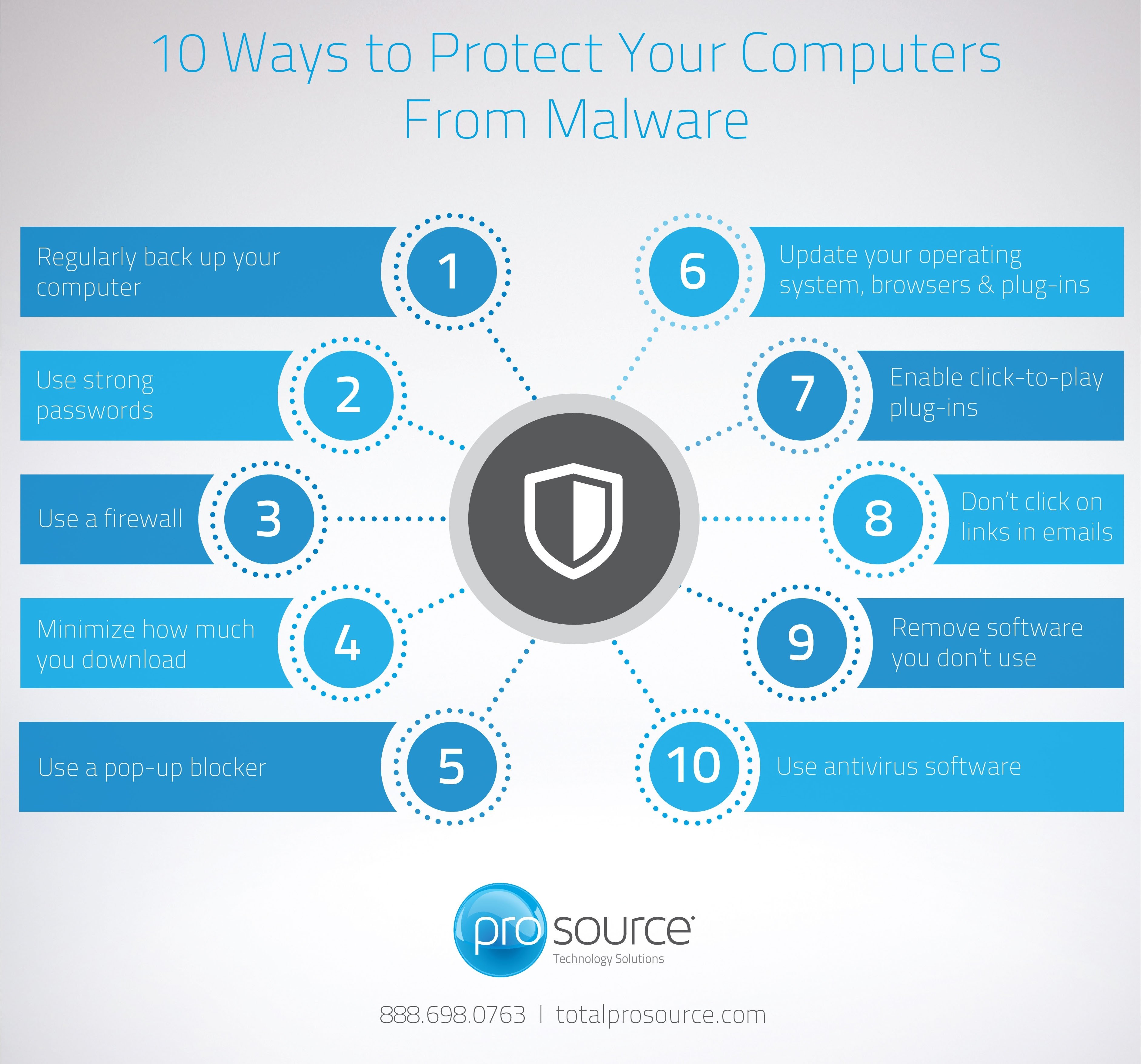
- Keep Software Updated: Regular updates fix security vulnerabilities and patches, reducing the risk of malware infection.
- Implement a Firewall: A firewall acts as a defensive barrier, blocking unauthorized access to your network.
- Use Strong Antivirus Software: Effective antivirus software detects and removes malware, ensuring the integrity of your systems.
- Conduct Regular Backups: Regular backups enable you to recover quickly in case of a malware attack or data loss.
- Train Employees: Educate your employees on cybersecurity best practices, highlighting the importance of awareness and vigilance.
- Use Encryption: Encrypt sensitive data to prevent unauthorized access and protect your business assets.
- Monitor and Analyze Logs: Regularly review logs to detect and respond to potential security incidents.
- Develop Incident Response Plans: Create a plan to quickly respond to and contain malware attacks, minimizing the impact on your operations.
Advanced Strategies for Enhanced Protection
To strengthen your malware prevention strategy, consider implementing:- Deep Learning (AI-Powered) Malware Prevention: This advanced technology analyzes binaries to detect and block malware, including new and previously unseen threats.
- Endpoint Detection and Response (EDR) Tools: EDR tools provide real-time threat detection and response, enabling swift action against malware attacks.
- Cloud Security Solutions: Cloud-based security solutions offer robust protection, automatic updates, and scalability.