Is It Bad to Take Advil on an Empty Stomach?
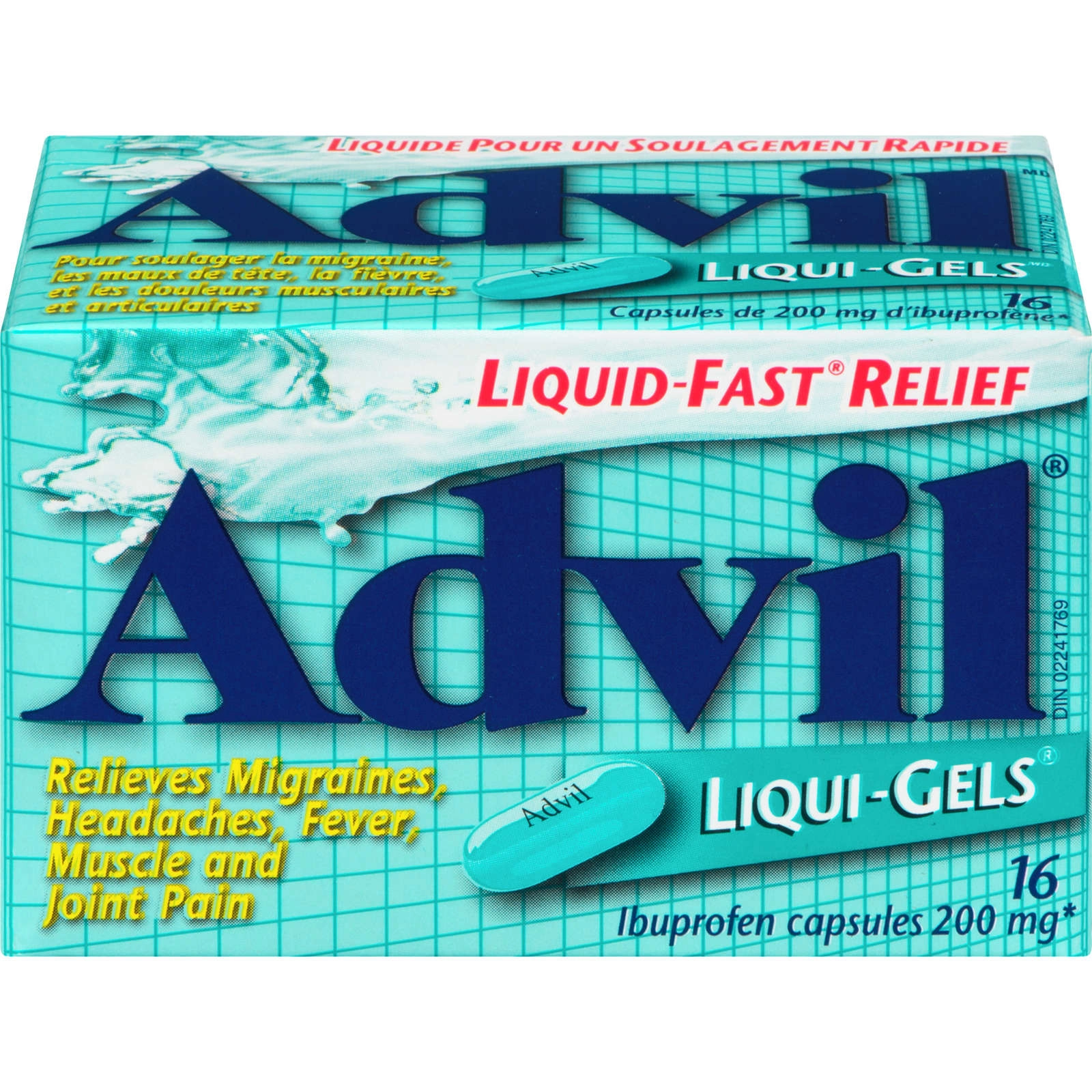
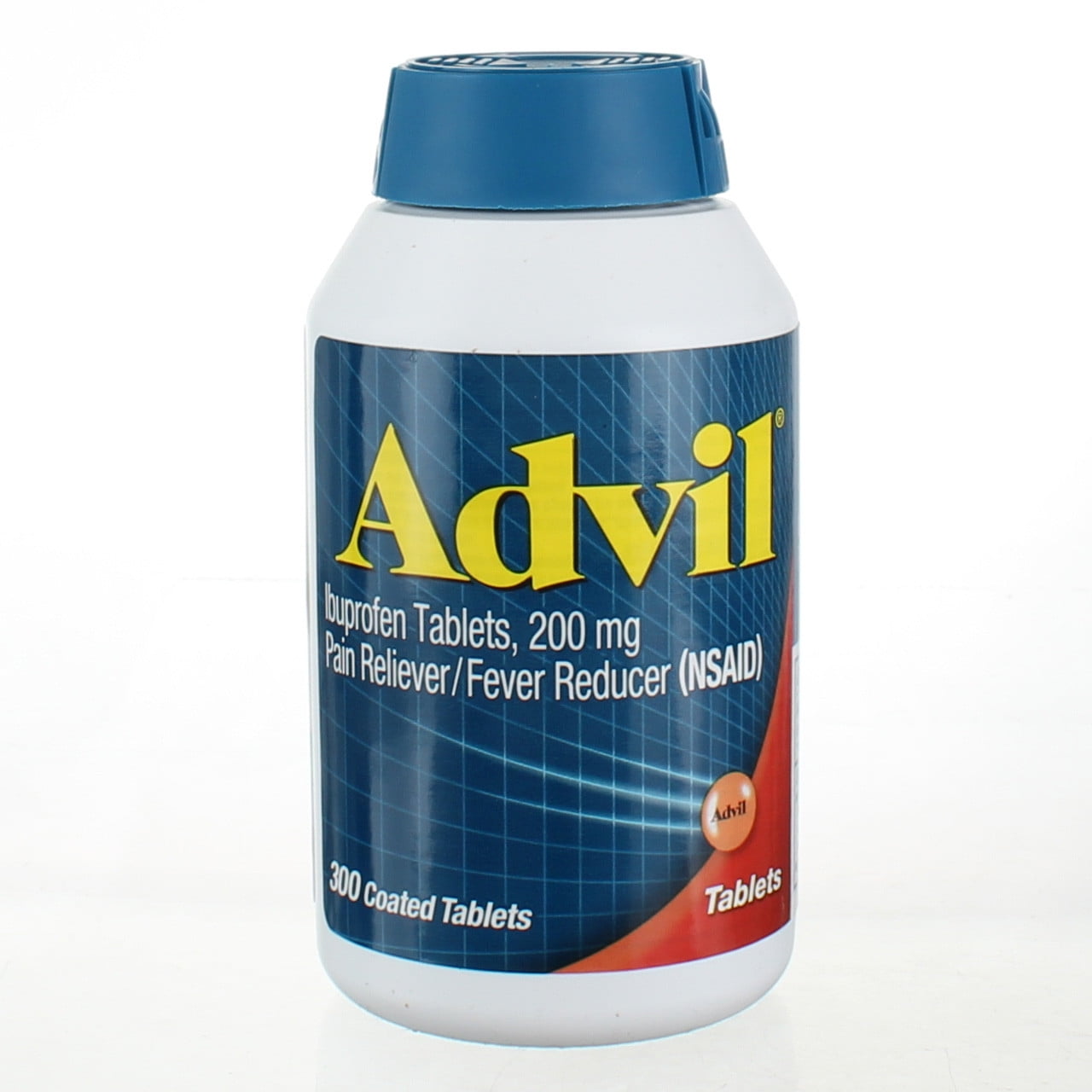
If you're like many people, you might reach for Advil when you're in pain, without thinking twice about whether you should take it on an empty stomach or not. However, taking NSAIDs like ibuprofen, the active ingredient in Advil, can lead to some unwanted side effects.The Risks of Taking Advil on an Empty Stomach
Taking Advil on an empty stomach can increase your risk of experiencing gastrointestinal issues like stomach pain, nausea, and bleeding ulcers. This is because ibuprofen can irritate the stomach lining, particularly when taken without food or milk. In fact, studies have shown that taking ibuprofen with food or milk can help prevent upset stomach if you're taking higher doses or have issues.The Science Behind It
Ibuprofen belongs to a class of medications called NSAIDs (non-steroidal anti-inflammatory drugs). These medications work by blocking the production of prostaglandins, which are hormone-like substances that can cause pain and inflammation. However, when ibuprofen is taken in large doses or for a long time, less prostaglandin is produced, which can increase stomach acid and irritate the stomach lining, causing problems.When It's Safe to Take Advil on an Empty Stomach
While it's generally recommended to take Advil with food or milk to prevent upset stomach, you can take it on an empty stomach if you're using low doses, like 1,200 mg daily or less. However, if you take higher doses or have issues, it's best to take Advil with food or milk to protect your stomach.Other Factors to Consider
If you have certain medical conditions or are at risk for certain health problems, taking Advil on an empty stomach may not be a good idea. For example, people with kidney disease or heart disease should be cautious when taking NSAIDs like ibuprofen, as they can increase the risk of heart attack or stroke. In these cases, it's best to talk to your doctor or pharmacist about the best way to take Advil or other pain relievers.Alternatives to Take on an Empty Stomach
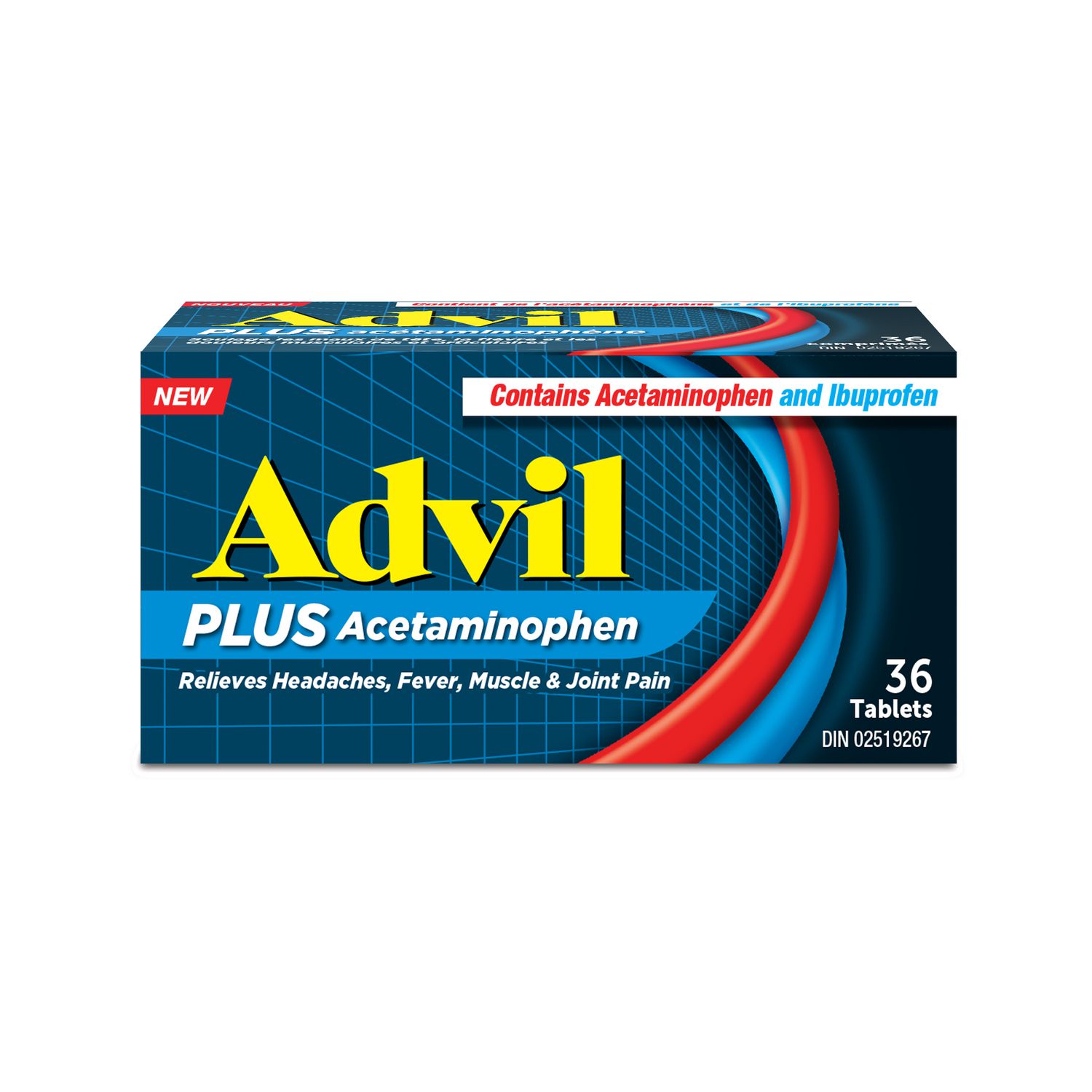
If you're looking for a pain reliever that's gentler on the stomach, you may want to consider alternatives to Advil. Tylenol (acetaminophen), for example, is generally safer for the stomach than NSAIDs like Advil or Motrin (ibuprofen). However, it's still important to follow the recommended dosage and talk to your doctor or pharmacist if you have any concerns.Conclusion