Understanding Insomnia in Adults: Causes, Symptoms, and Treatments
Insomnia in adults is a sleep disorder that affects millions of people worldwide, causing difficulty falling asleep or staying asleep throughout the night. It is a common health concern that can have debilitating effects on daily life, leading to fatigue, decreased productivity, and a range of other health issues.
What is Insomnia?
Insomnia is a sleep disorder characterized by difficulty initiating or maintaining sleep, or both. It can last for a short period, known as short-term insomnia, or persist for an extended time, referred to as chronic insomnia. Short-term insomnia is often due to stress or a disturbing event, whereas chronic insomnia can be a long-term condition that affects daily life.
Causes of Insomnia in Adults
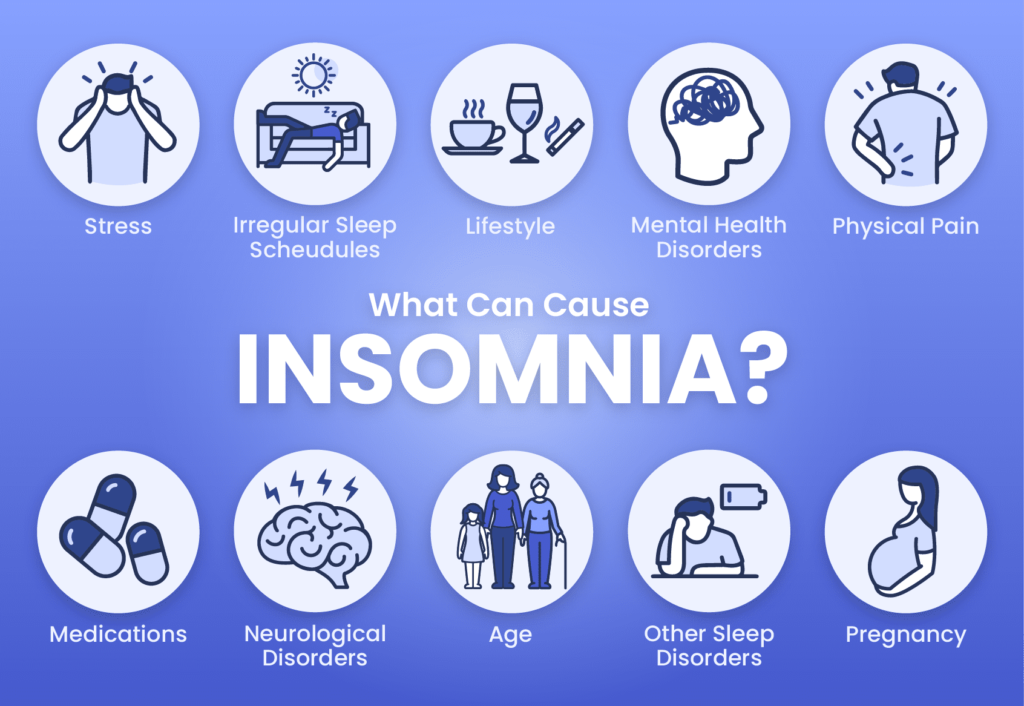
Insomnia in adults can be caused by various factors, including:
- Stress and anxiety
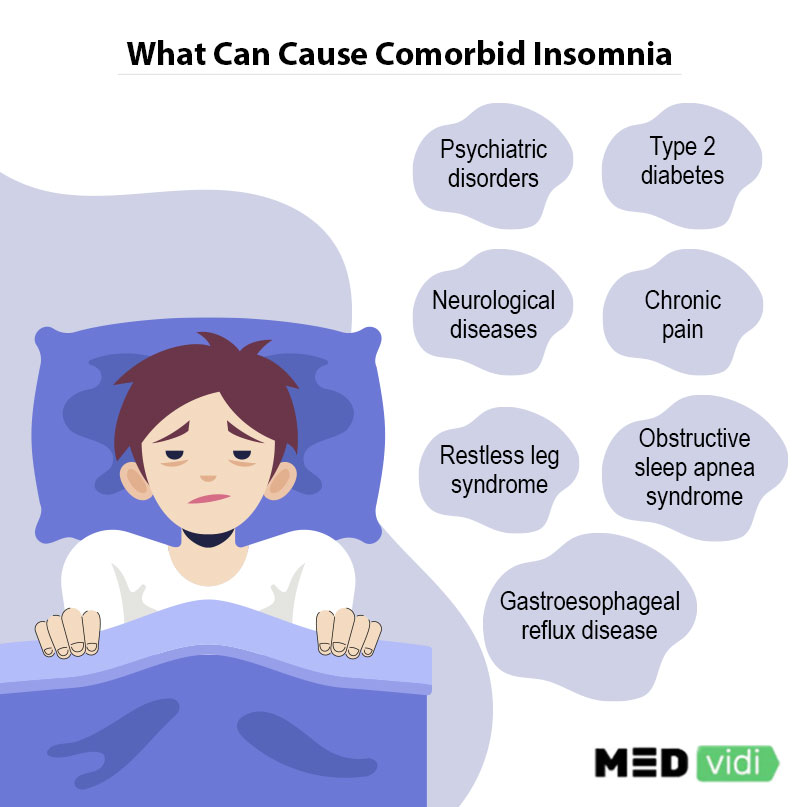
- Medications and certain medical conditions
- Irregular sleep schedules and environments
- Caffeine and nicotine consumption
- Sleep disorders, such as sleep apnea and restless leg syndrome
Risk Factors for Insomnia in Adults
Sleep deprivation and continuous sleep disruption can lead to a range of health issues, including:
- Increased risk of depression and anxiety disorders
- Cardiovascular disease and high blood pressure
- Impaired cognitive function and decreased productivity
- Mood swings and irritability
- Increased risk of accidents and injuries at work or while driving

Diagnosis and Treatment of Insomnia in Adults
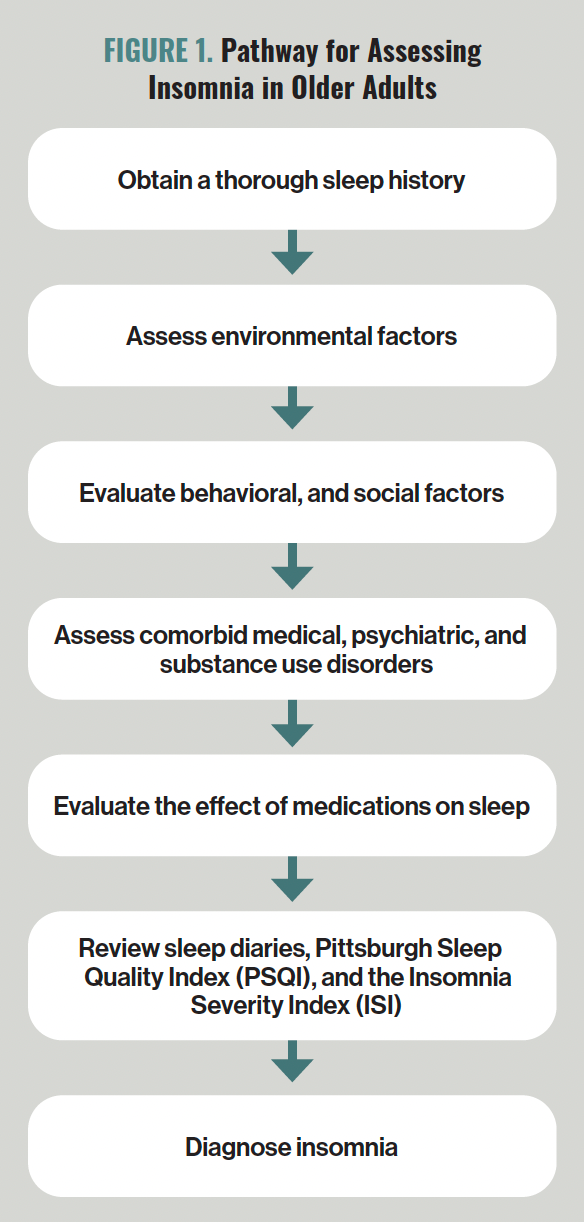
Diagnosing insomnia in adults involves considering the following criteria:
- Persistent sleep difficulty
- Adequate sleep opportunity li>Associated daytime dysfunction
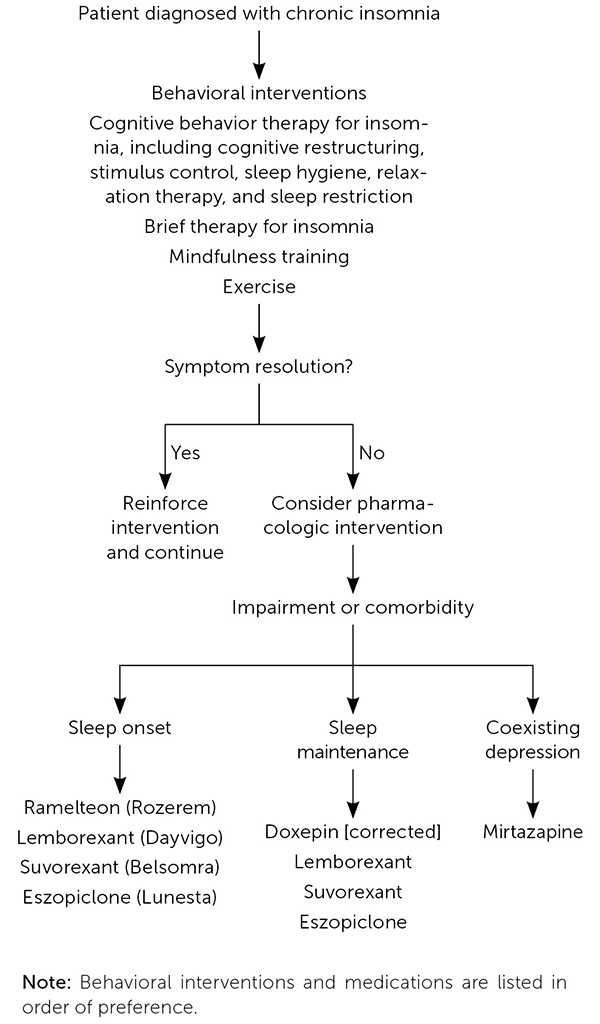
There are various treatment options for addressing insomnia in adults, including cognitive-behavioral therapy, sleep hygiene practices, and relaxation techniques. These can help individuals establish a regular sleep schedule and manage stress and anxiety.
There are several natural sleep aids that can help alleviate insomnia in adults:
- Melatonin supplements
- Herbal teas, such as chamomile and lavender
- Massage therapy and relaxation techniques
- Cognitive-behavioral therapy for insomnia
Conclusion
Insomnia in adults can have far-reaching consequences, including physical and mental health issues, decreased productivity, and impairment in daily life. Understanding the causes of insomnia, staying consistent sleep schedules, and practicing sleep hygiene habits can help alleviate the problem. Consulting a healthcare professional can also provide personalized guidance and treatment options for addressing chronic insomnia.