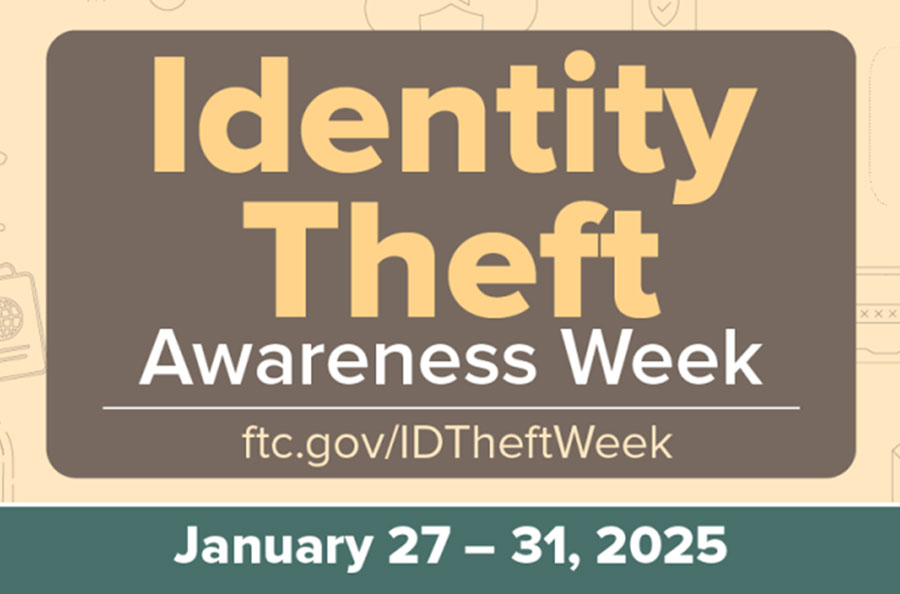
How to Protect Against Identity Theft: A Comprehensive Guide
Identity theft is a growing concern in today's digital age. With the increasing use of technology, it's becoming easier for thieves to steal personal information and use it for malicious purposes. As a result, it's essential to take proactive steps to protect yourself from identity theft. In this article, we'll provide you with a comprehensive guide on how to protect against identity theft, its warning signs, and what to do if you become a victim.
Understanding Identity Theft
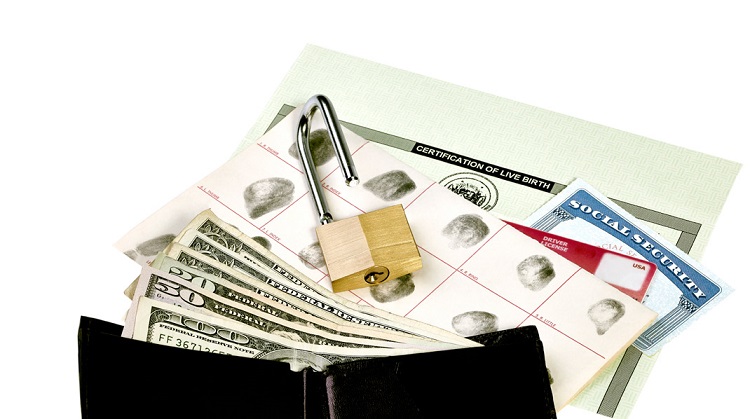
Identity theft occurs when someone uses your personal information, such as your name, Social Security number, or credit card details, without your consent. This can happen through various means, including phishing scams, data breaches, or even through social engineering tactics. The consequences of identity theft can be severe, including financial losses, damage to your credit score, and even identity-related crimes.
Warning Signs of Identity Theft
Before we dive into the prevention strategies, it's essential to know the warning signs of identity theft. Some common signs include:
- Unexplained charges on your credit card or bank statement
- Missing or stolen mail or documents
- Receiving calls or emails from unknown sources claiming to be from a financial institution or government agency
- Notice of unpaid debts or collections on your credit report
- Being denied credit or loans due to a poor credit score
How to Protect Against Identity Theft
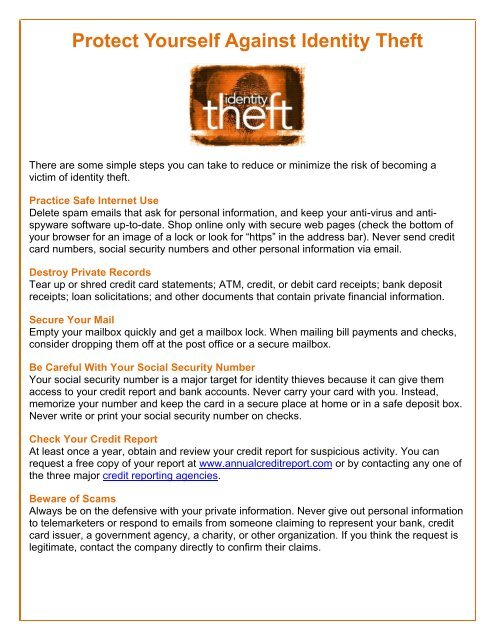
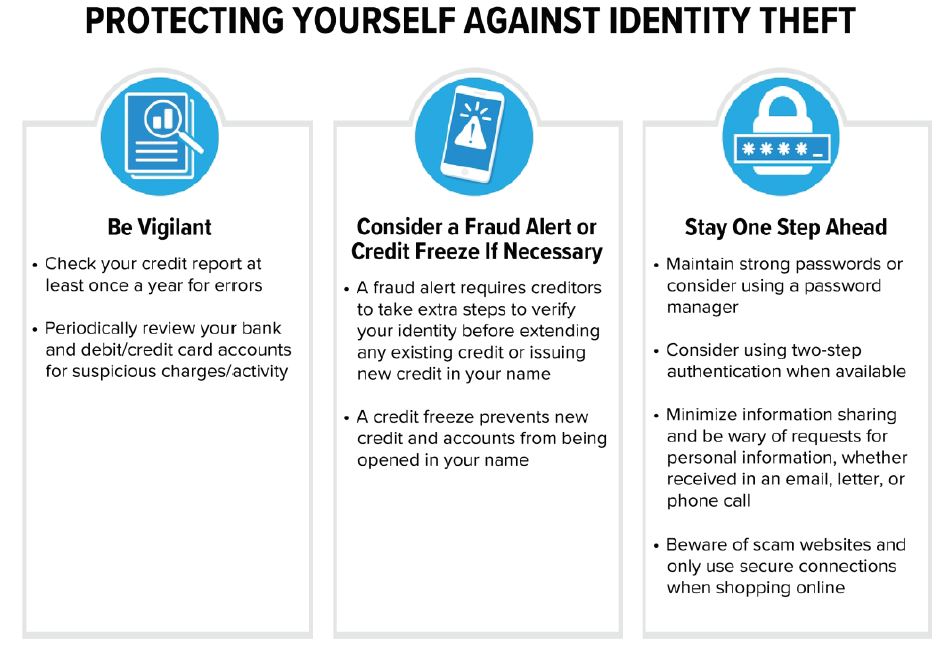
To protect yourself from identity theft, follow these 11 essential tips:
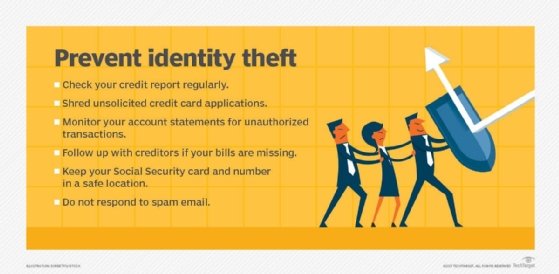
- Shred sensitive documents: Make sure to shred any sensitive documents, such as credit card applications, bank statements, or tax returns, before disposing of them.
- Use password managers: Use password managers to generate and store unique, complex passwords for each of your accounts.
- Enable two-factor authentication: Enable two-factor authentication on your accounts to add an extra layer of security.
- Check credit reports: Regularly check your credit report to ensure it's accurate and free from errors.
- Monitor your credit score: Keep an eye on your credit score and report any changes or discrepancies.
- Use secure online transactions: Use secure online transactions, such as HTTPS and encryption, when making purchases or transferring funds.
- Avoid phishing scams: Be cautious of phishing scams and never provide sensitive information via email or phone.
- Keep software up-to-date: Regularly update your software and operating system to ensure you have the latest security patches.
- Use a VPN: Use a virtual private network (VPN) when browsing public Wi-Fi or accessing sensitive information.
- Keep personal info private: Keep your personal info private and avoid sharing it with unknown individuals or organizations.
- Use identity theft protection services: Consider using identity theft protection services, such as credit monitoring and alert systems.
What to Do If You're a Victim of Identity Theft
If you suspect you're a victim of identity theft, take immediate action. Here's a step-by-step guide to help you report and recover from identity theft:
- Report the incident: Report the incident to the Federal Trade Commission (FTC) at IdentityTheft.gov.
- Freeze your credit: Freeze your credit to prevent further unauthorized activity.
- Monitor your accounts: Closely monitor your accounts for any suspicious activity.
- Dispute errors: Dispute any errors or inaccuracies on your credit report.
- Change passwords: Change your passwords for all accounts and consider using a password manager.
- Update your software: Update your software and operating system to ensure you have the latest security patches.
Conclusion
Identity theft is a serious concern that requires proactive measures to prevent and recover from. By understanding the warning signs, following the prevention strategies, and knowing what to do if you become a victim, you can significantly reduce the risk of identity theft. Remember, protecting your identity is a continuous process that requires vigilance and awareness. Stay informed, stay safe, and take control of your identity today.
Additional Resources
For more information on identity theft and how to protect yourself, consider the following resources: