Gadget Addiction Symptoms: Recognizing the Signs and Taking Action
Technology has become an integral part of our lives, and it's not uncommon to find ourselves glued to our smartphones, laptops, or tablets for extended periods. However, for some individuals, this constant connectivity can morph into an unhealthy dependence known as gadget addiction. Gadget addiction symptoms can have significant negative impacts on one's mental and physical well-being, relationships, and daily functioning.
Understanding Gadget Addiction Symptoms
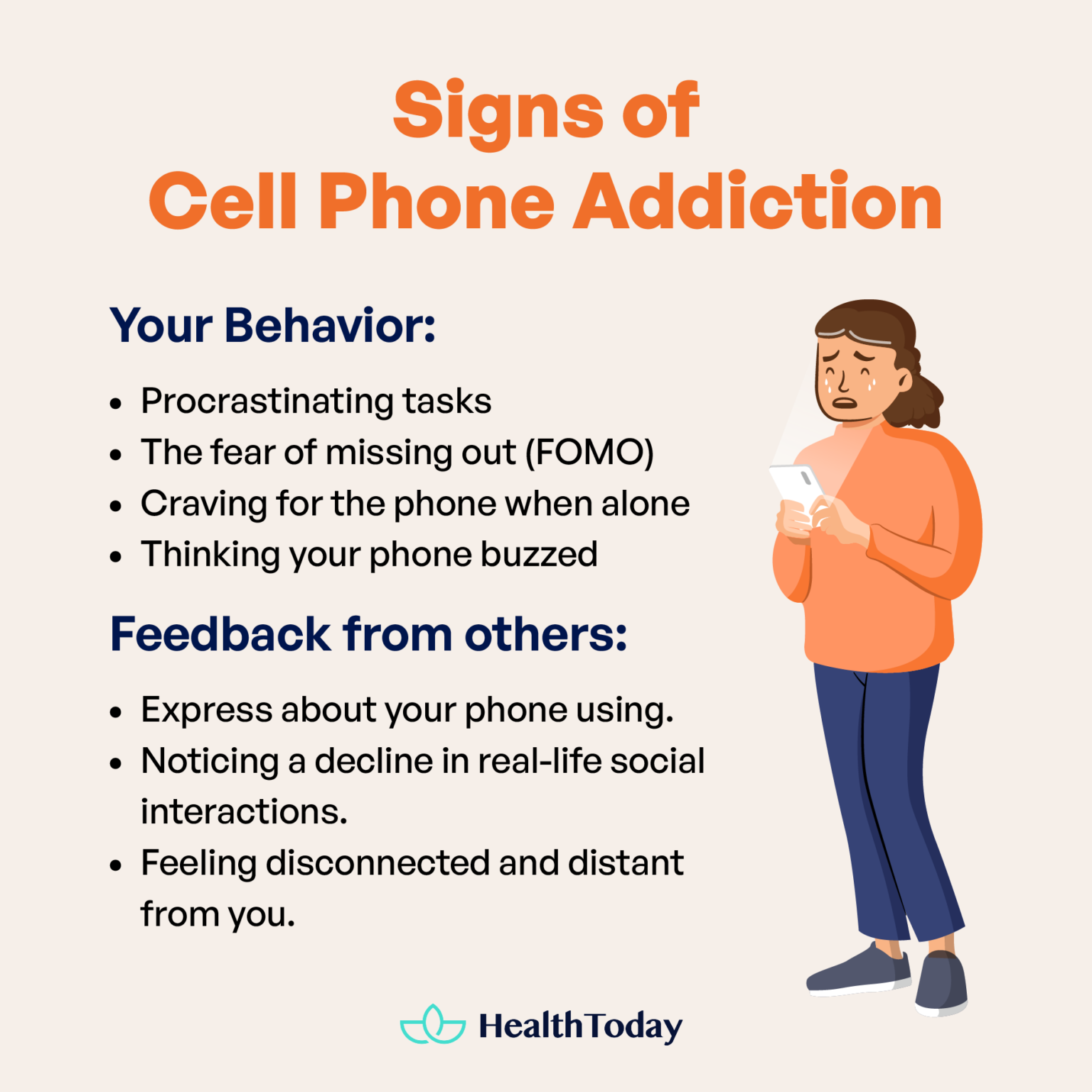
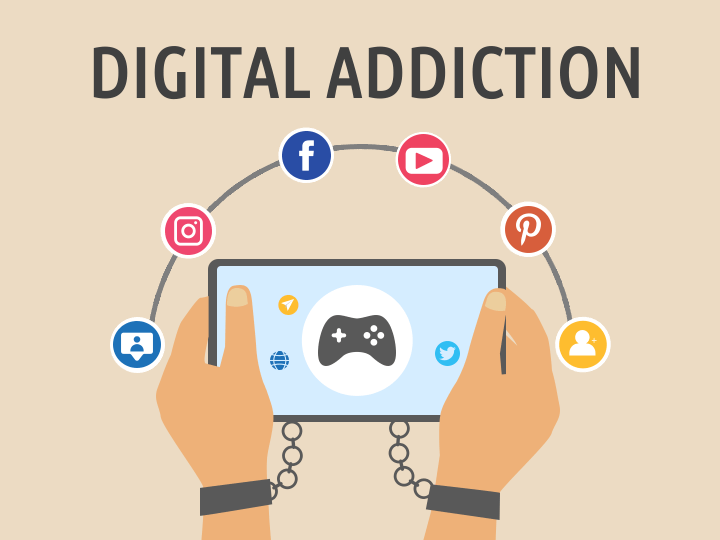
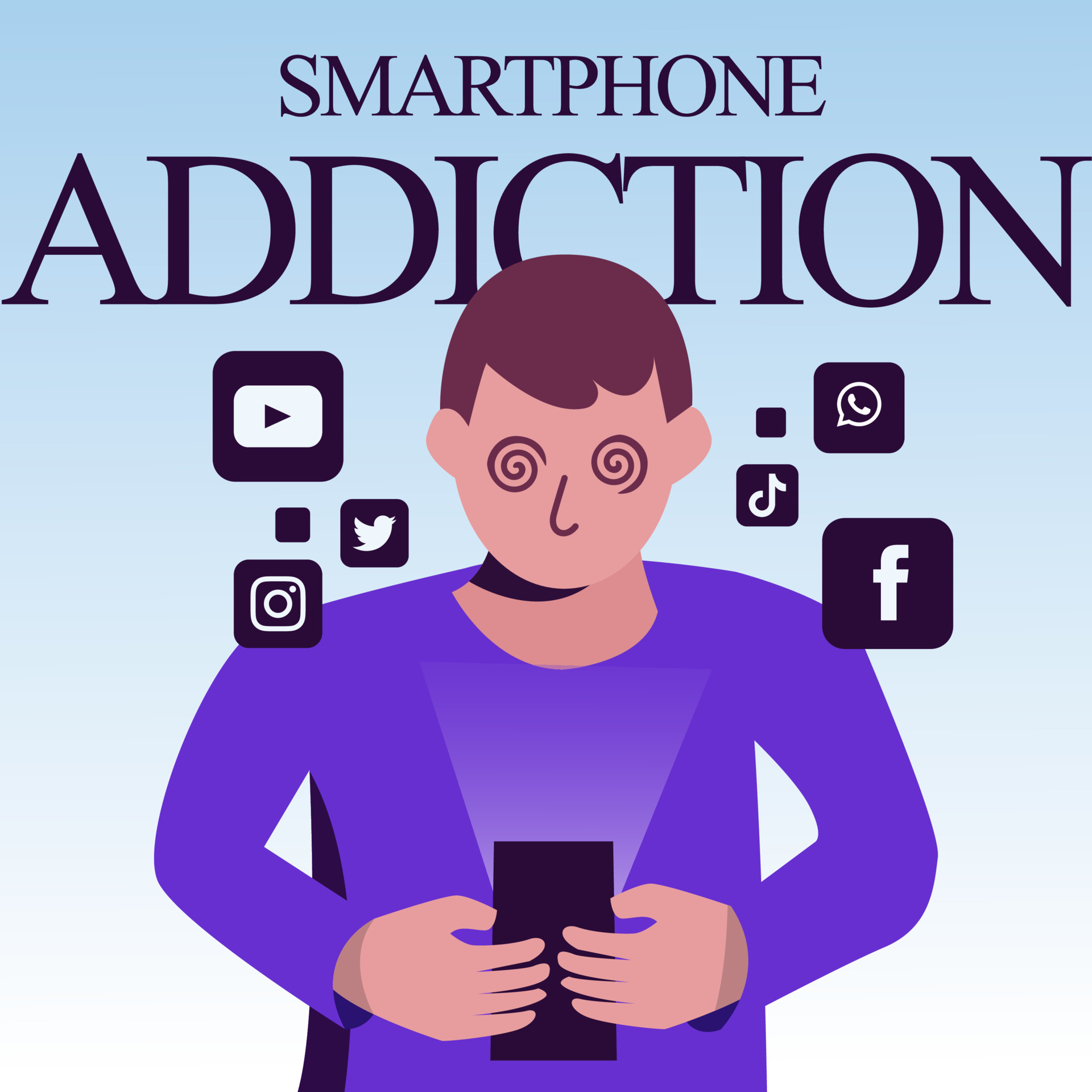
Gadget addiction is a behavioral addiction characterized by a compulsive, uncontrollable urge to use digital devices and platforms. It leads to significant negative consequences for an individual's mental health, physical well-being, relationships, and daily functioning. The symptoms of gadget addiction can be subtle, making it challenging to recognize. Some common signs include:
- Spending increasing amounts of time on digital devices to achieve satisfaction
- Hiding the extent or nature of your online or smartphone use
- Struggling with controlling your online or smartphone behavior
- Preoccupation with being online or constantly checking your device
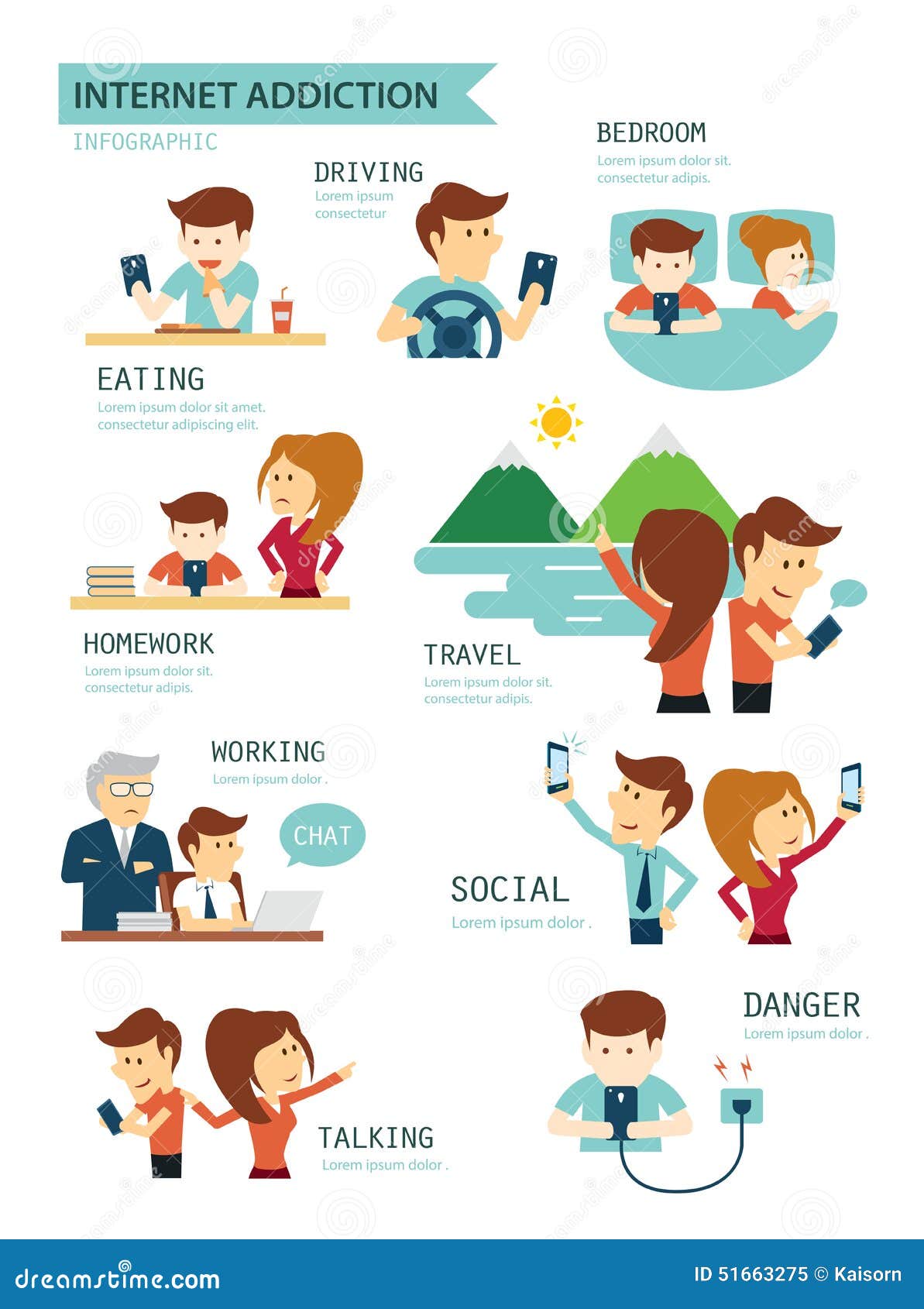
- Neglecting important tasks, relationships, or activities due to excessive device use
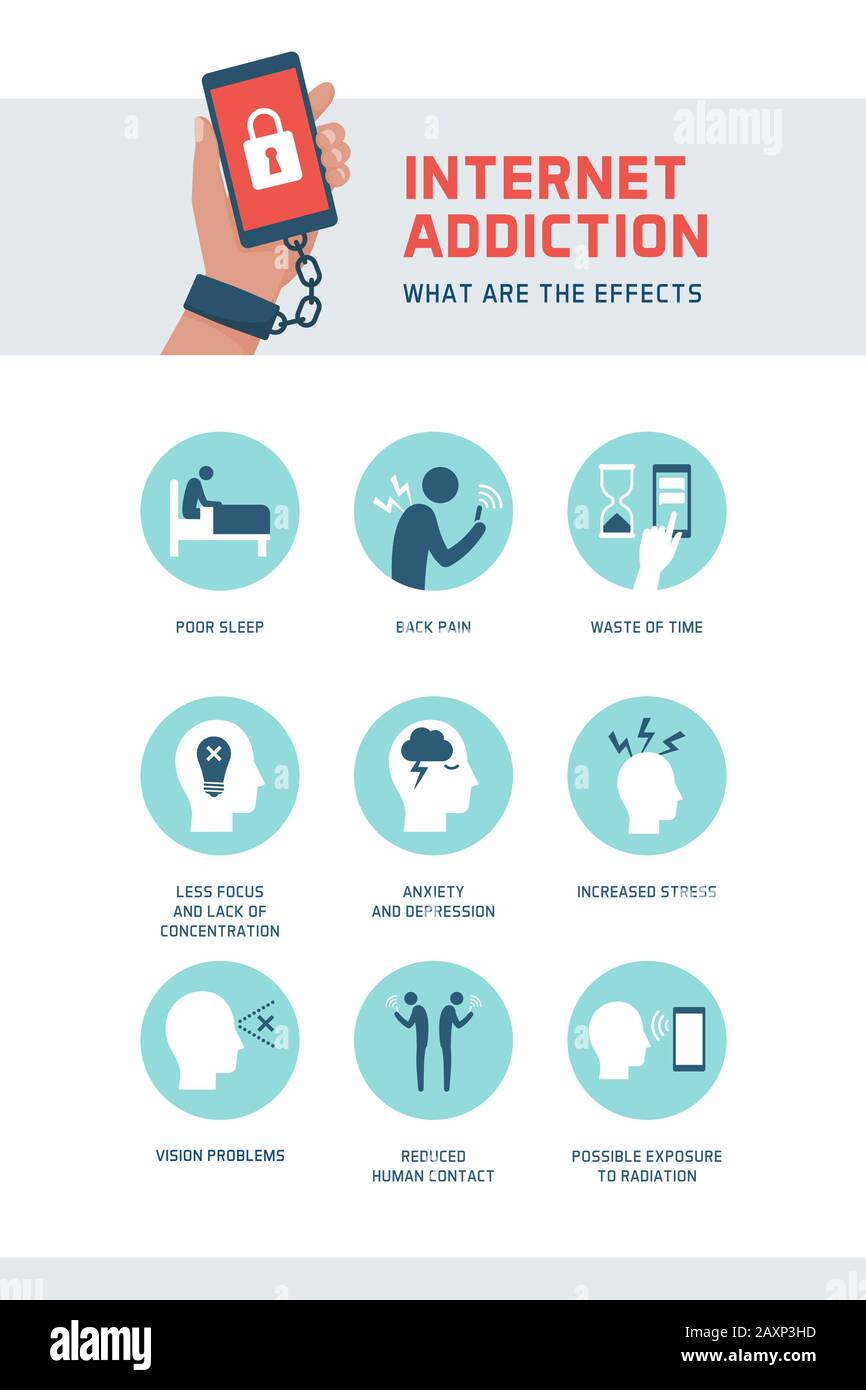
- Experiencing sleep disturbances, eye strain, or headaches due to prolonged screen time
- Feeling anxious or irritable when unable to access your device or internet
Causes and Effects of Gadget Addiction
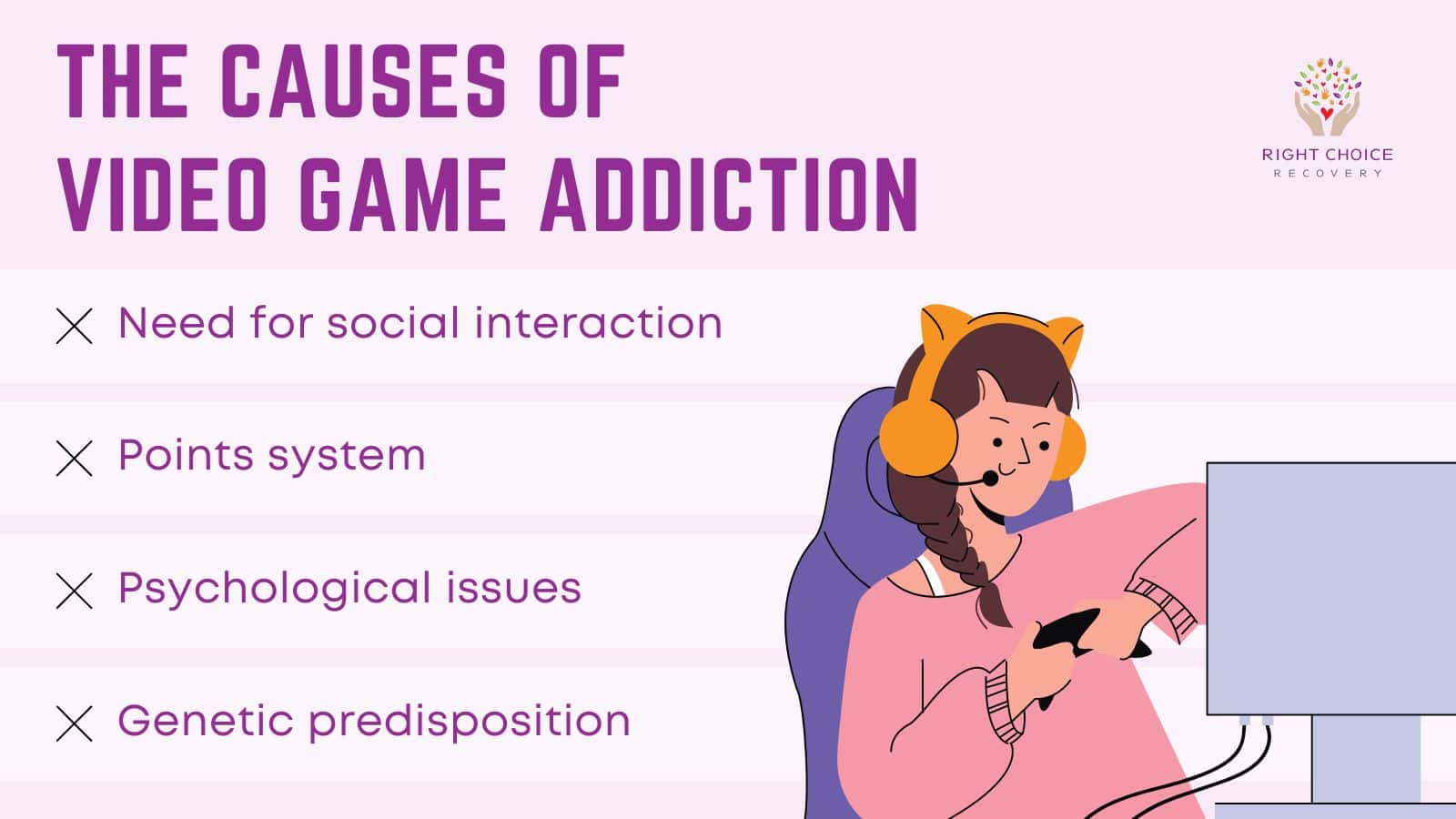
Research has found that technology addiction can cause serious consequences for mental and physical health, including muscle pain, sleep disturbances, and a higher risk for mental health issues. Additionally, excessive device use can lead to social isolation, decreased productivity, and strained relationships. Understanding the causes and effects of gadget addiction is crucial in developing effective strategies for prevention and treatment.

Treatment and Prevention of Gadget Addiction
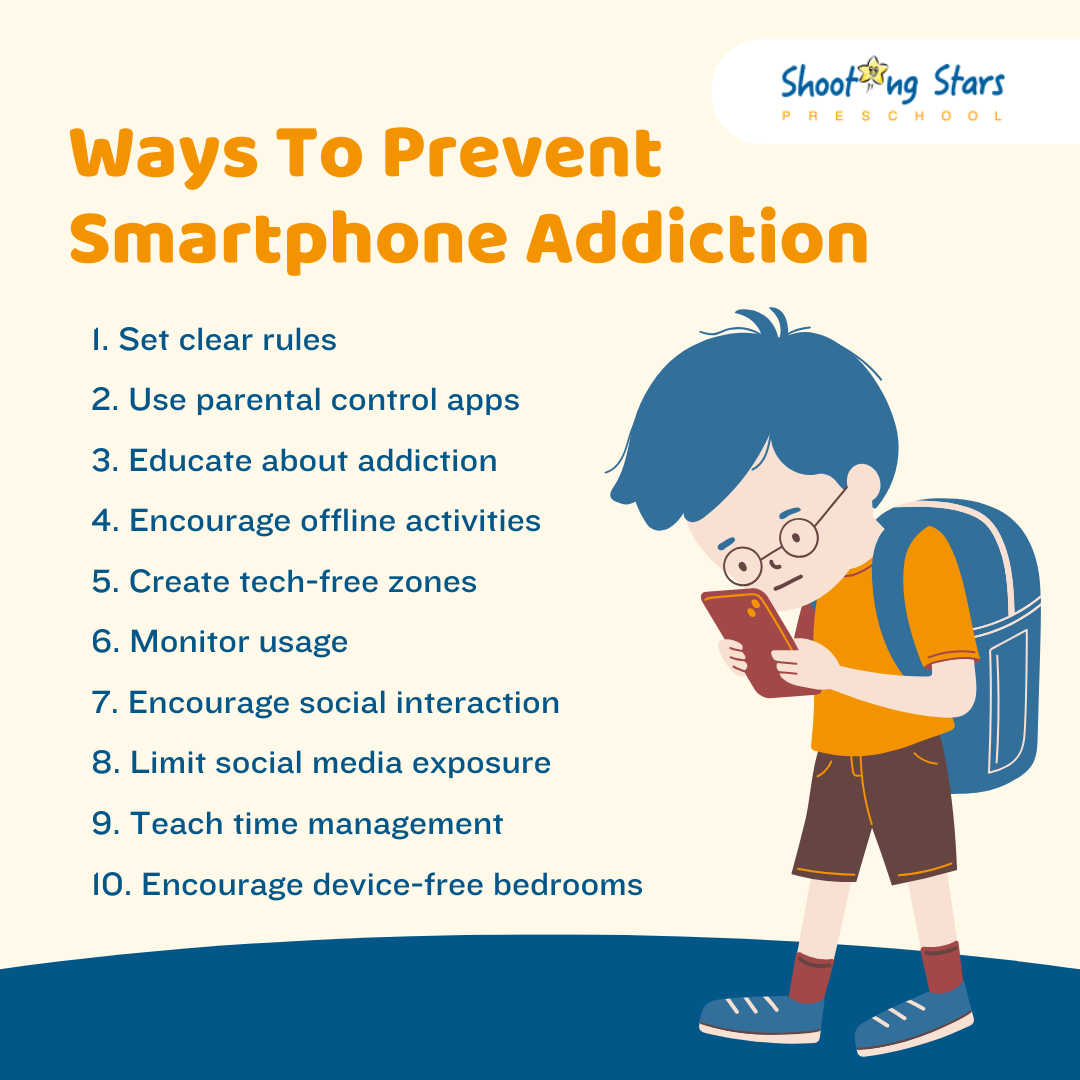
Treatment for gadget addiction typically involves a combination of counseling, therapy, and lifestyle changes. Cognitive-behavioral therapy (CBT) is commonly used to address the underlying psychological factors contributing to addiction. Therapy may focus on helping the individual increase their awareness and understanding of their device use, set boundaries, and develop healthy coping mechanisms. Additionally, setting limits on device use, engaging in regular physical activity, and prioritizing social connections can help prevent gadget addiction.
Breaking Free from Gadget Addiction
Breaking the cycle of gadget addiction requires a willingness to acknowledge the problem, seek help, and make significant changes to daily habits. This can be a challenging process, but with the right support and resources, it is possible to overcome gadget addiction and develop a healthier relationship with technology. By recognizing the signs and symptoms of gadget addiction, taking steps to address underlying causes, and implementing effective prevention and treatment strategies, individuals can regain control over their device use and improve their overall well-being.
Conclusion
Gadget addiction symptoms can have severe consequences on one's mental and physical health, relationships, and daily functioning. Recognizing the signs and symptoms of gadget addiction, understanding the causes and effects, and taking action to prevent and treat the addiction are crucial steps towards breaking the cycle of excessive device use. By prioritizing healthy relationships with technology and seeking support when needed, individuals can develop a more balanced and fulfilling lifestyle.